Which frying pan is best for steak?
A good steak requires, first and foremost, a dry surface, high enough heat, and control over the core temperature. The pan plays an important role, but there is no one type of material that is always “best.” Heavy cast iron and a good multi-layer stainless steel pan can both deliver a thick sear.
The difference lies mainly in how they store and react to heat, which allows you to choose a pan according to both the steak and the way you prefer to work.
Cast iron: high thermal mass
A heavy cast iron pan stores a lot of heat. When a cool steak is placed on it, the temperature of the pan therefore drops relatively less than in a very light pan. Serious Eats specifically highlights preheating and heat retention as a strength of cast iron for heavy frying.
On the other hand, cast iron reacts more slowly when you change the flame. It requires a little more planning, especially if the steak is thin or if you want to lower the temperature quickly after the crust has formed.
Multilayer stainless steel: control and foundation
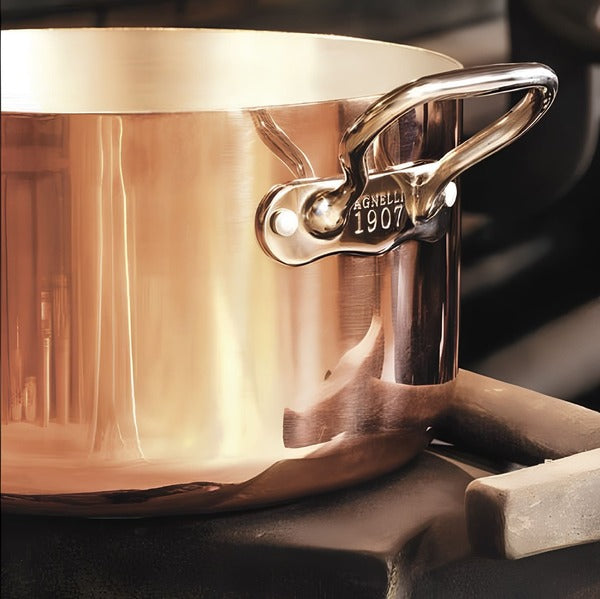
A stainless steel multi-layer pan typically combines a durable stainless steel surface with a more heat-conducting material in the construction. It can get very hot, often responds more quickly to changes in the flame, and provides a clear base that is perfect for a subsequent pan sauce.
Serious Eats evaluates stainless steel pans based on factors such as even heat distribution and browning ability. The key is that the pan has sufficient mass and a construction that spreads the heat evenly.
Dry the steak before it hits the pan
Surface water must first evaporate before the surface temperature can effectively rise for deep browning. ThermoWorks therefore recommends drying the meat thoroughly and using high heat for the actual searing phase. It is a more important step than many discussions about the mark on the pan.
Use fat with the appropriate heat tolerance and avoid overfilling the pan. Several cold steaks at once can significantly lower the temperature.
Use a thermometer to check the core temperature
The pan can tell you something about the crust – not exactly the temperature in the middle. A quick thermometer gives better control than time alone because thickness, starting temperature and heat vary from time to time.
Also remember that the temperature can continue to rise during resting, so allow for residual heat, especially on thick cuts.
The short answer
Choose cast iron if you particularly want high heat retention and don't mind weight and slow response. Choose a good stainless steel multi-ply pan if you want heavy browning, faster regulation and a surface that is excellent for stock and sauce.
See professional cookware from Pentole Agnelli . Read more about stainless steel for cookware .
Convenient to remember
The size of the pan also matters more than you might think. If the steak almost fills the entire pan, there is less free hot surface, and it is more difficult for the moisture from the meat to escape. A suitably large pan provides better space for evaporation and for turning the meat without scraping the crust. For very thick steaks, an ovenproof pan can be practical because the meat can be cooked in a more controlled manner. On induction, a good multi-layer stainless steel pan typically responds quickly to changes in power, while cast iron still has its large thermal mass. Regardless of the material, you should let the pan heat up properly, but avoid uncritically leaving an empty pan on maximum power for a long time – follow the manufacturer's instructions.
Sources and further reading
- ThermoWorks: How to Sear a Steak
- Serious Eats: Preheat Cast Iron for a Better Sear
- Serious Eats: Best Stainless Steel Skillets
- ThermoWorks: Steak Temperature Guide