Gyuto vs. Santoku vs. Nakiri – which Japanese knife should you choose?
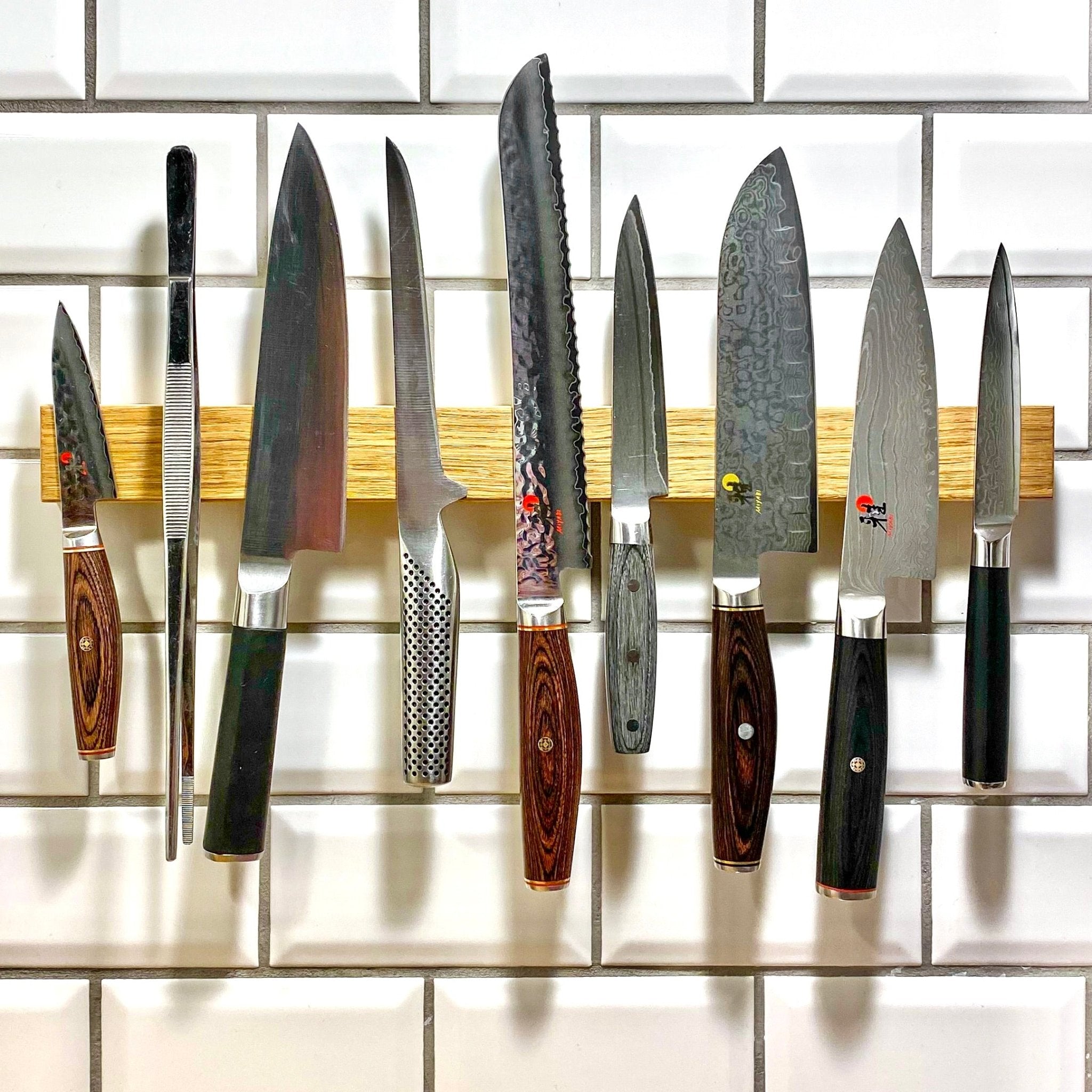
Gyuto, Santoku and Nakiri are often placed in the same category: Japanese kitchen knives. But they are not three versions of the same knife. They are designed for different work patterns, and the Nakiri in particular stands out clearly.
If you have to choose one Japanese knife for most of your kitchen work, Gyuto and Santoku are the natural places to start. Nakiri is more of a specialist knife to choose when vegetables take up a lot of space.
Gyuto – the Japanese chef's knife
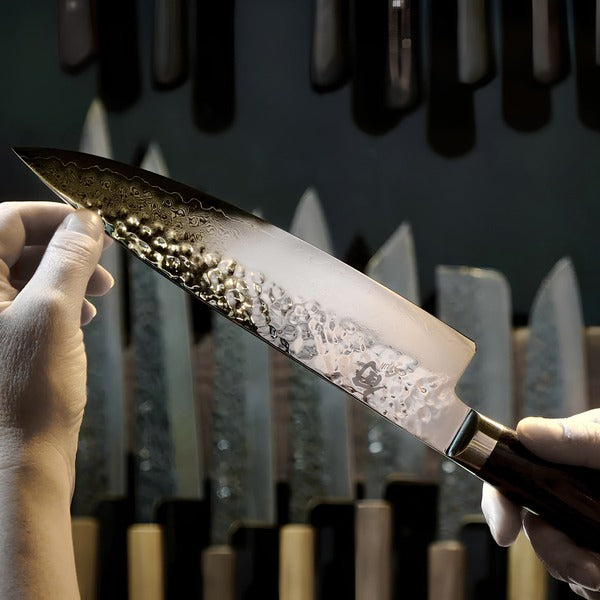
Gyuto roughly means “beef sword”, but the modern Gyuto is far more versatile than its name suggests. The blade is relatively long and has a point that makes the knife suitable for both larger ingredients, precision work and classic chef’s knife techniques.
ZWILLING typically lists Gyutoh blades around 16–24 cm. In practice, 210 mm is a very common size because it provides good reach without being overwhelming in a typical home kitchen. A longer blade makes it easier to cut large vegetables, meat and fish in long, clean strokes.
A Gyuto often has more curve in the blade than a Nakiri. How much varies from manufacturer to manufacturer, but the shape allows for both forward cuts and a certain rocking motion.
Santoku – compact and versatile
Santoku is associated with the “three virtues” or three uses: meat, fish and vegetables. The blade is typically shorter than that of a Gyuto and has a high profile, which provides good knuckle clearance over the cutting board.
ZWILLING describes Santoku blades as around 14–18 cm. The shorter length makes the knife easy to control and for many home cooks it feels less demanding than a 210 or 240 mm Gyuto.
The Santoku usually has a less pronounced tip and a relatively flat blade. This makes it very effective for controlled up-and-down or forward cuts. If your kitchen work consists primarily of regular vegetables, herbs, smaller cuts of meat and fish, it's hard to avoid.
Nakiri – the vegetable specialist
Nakiri is immediately recognizable by its tall, rectangular blade. It does not have the pointed front known from Gyuto, and the edge is typically very flat. Knifewear describes Nakiri as a vegetable knife, where the shape favors straight cuts through the raw material.
The tall blade provides good control and makes it easy to move chopped vegetables off the board. On the other hand, the Nakiri lacks the point that makes the Gyuto more flexible for trimming, carving, and detail work.
Nakiri is therefore excellent as a second or third knife – but rarely our first recommendation if you only want to buy one Japanese kitchen knife.
The short comparison
- Gyuto: the most range and versatility. Good for meat, fish, vegetables and larger ingredients.
- Santoku: compact all-round knife with a tall blade and great control. Good for most everyday tasks.
- Nakiri: specialized vegetable knife with a tall, flat blade and no traditional tip.
Gyuto or Santoku as the first Japanese knife?
It is largely a question of size and working style. If you are used to a European chef's knife and want a longer blade, the Gyuto is the obvious choice. If you want a lighter, shorter and very controllable all-round knife, the Santoku is often easier to get used to.
It's also worth looking at your cutting board. A 240 mm blade only makes sense if you have the space for it. On a smaller board, a Santoku around 165–180 mm can feel much more natural.
Steel and manufacturer matter at least as much as the shape
The name of the knife type does not in itself tell you anything for sure about hardness, sharpening or rust resistance. Two Gyuto knives can be very different depending on the steel alloy, heat treatment, blade thickness, sharpening and handle.
Therefore, first choose the geometry that suits your work – and then the steel quality and maintenance that you are comfortable with.
See our selection of Japanese kitchen knives , Gyuto , Santoku and Nakiri .