Which pepper should you use for what?
Pepper is not just pepper. The same plant can produce black, green, white and red peppercorns depending on ripeness and processing – and some spices we call pepper do not come from the pepper plant at all.
This makes the category more interesting than the classic black grinder on the table. Here is the practical difference and what we would use the different types for.
Black pepper – the most versatile
Black pepper comes from Piper nigrum . The berries are harvested before full maturity and dried, causing the surface to darken and wrinkle. Piperine is one of the main compounds behind the pepper's characteristic pungency.
Black pepper typically has both hot, spicy and aromatic notes, but the flavor profile varies significantly with location and variety. A Kampot pepper and a pepper from India or Sri Lanka are therefore not identical, although they can all be classified as black pepper.
Use it for: steak, stews, sauces, pasta, eggs, roasted vegetables and as a general table pepper. If you only want one pepper in the kitchen, black is the most flexible.
Green pepper – fresher and more herbaceous
Green pepper is also Piper nigrum , but the berries are processed to retain the green character rather than develop the dark dried surface. Research on black, white and green peppers shows that both processing and subsequent storage clearly affect the volatile aroma compounds.
Use it for: creamy pepper sauces, fish, poultry, fresh vegetables and dishes where the pepper should be aromatic without dominating with the classic black profile.
White pepper – same plant, different process
White pepper is made from ripe berries, with the outer part of the fruit removed. This gives it a different aromatic expression than black pepper, even though the seed comes from the same species.
It is traditionally used in light dishes where black pepper fragments are not visually desired, but the choice should be primarily a matter of taste.
Use it for: potato dishes, light sauces, soups, fish and classic dishes where a more earthy, fermented or subdued pepper profile suits better than black.
Red Kampot pepper – ripe berries
Kampot Pepper's official EU PGI specification describes several types of Piper nigrum , distinguished by harvest time and post-processing. The red type is associated with ripe berries and therefore provides a different aromatic starting point than the black one.
Use it for: dishes where the pepper should play a more pronounced aromatic role – for example, roasted meat, dark sauces, baked root vegetables and in small quantities with fruit or dessert, if the specific pepper has the right fruity notes.
Timut – not black pepper
Timut is often sold among peppercorns, but botanically it belongs to the Zanthoxylum genus – the same larger spice family as Sichuan pepper – and not to Piper nigrum . Therefore, it is not a substitute for black pepper in the classical sense.
Timut is known for a distinctive citrus aroma and the characteristic tingling sensation associated with Zanthoxylum spices.
Use it with: fish, seafood, Asian dishes, citrus, vegetables and as an aromatic finishing spice rather than as a standard pepper.
Origin matters
Even within the same color, the aroma can vary with variety, soil, climate, ripeness, drying and storage. That's why it makes sense to taste pepper the same way you taste coffee or olive oil: first, without overpowering it with other strong ingredients.
Grind as late as possible
The aroma of pepper is contained in volatile compounds, among other things. A Food Chemistry study of black, white and green pepper clearly showed that aroma components are reduced during storage after grinding. Whole peppercorns and fresh grinding therefore provide a better starting point if aroma is the goal.
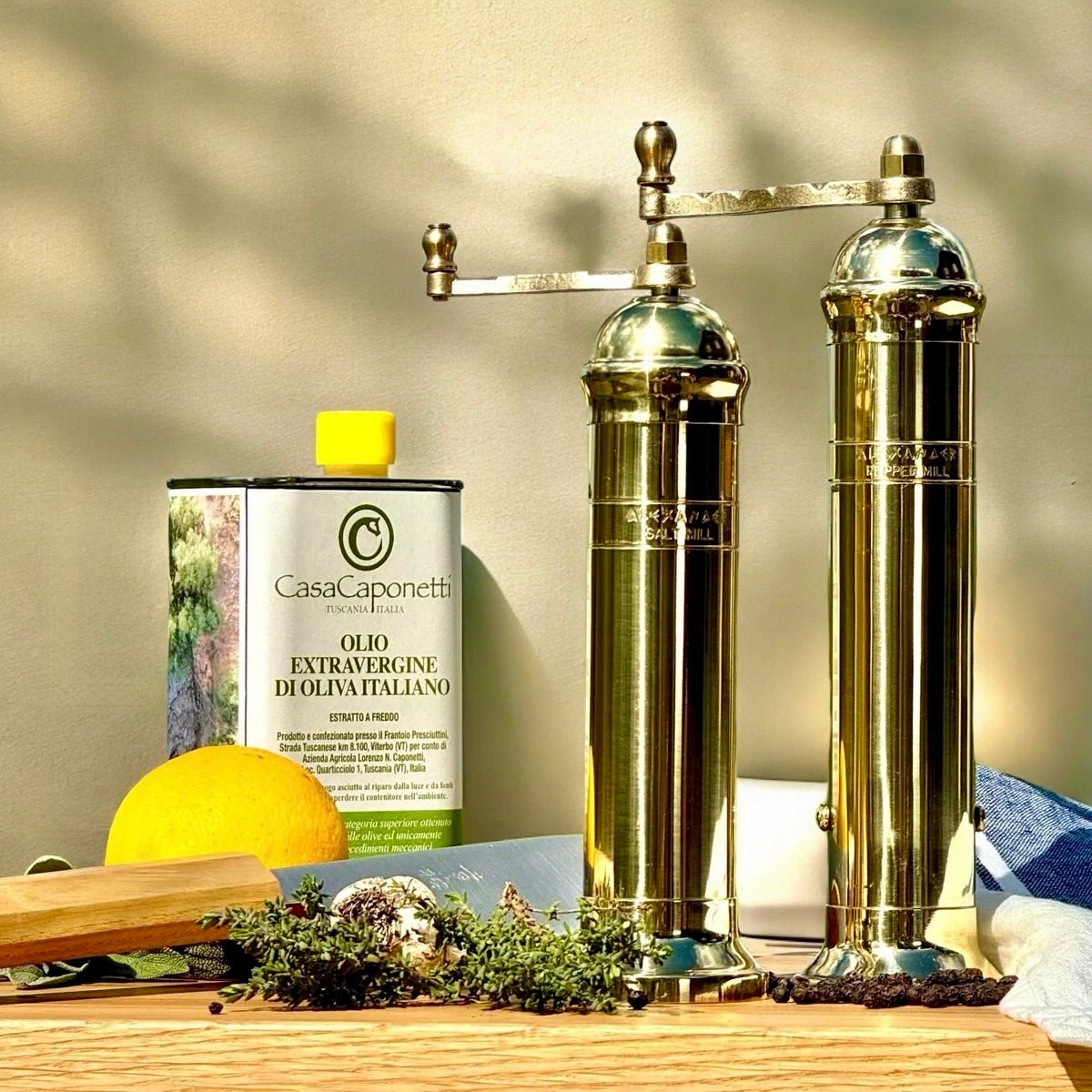
This is also why a good grinder is important. The spice should be crushed effectively immediately before use – not left to sit powdered for months.
See our selection of peppers from different origins and our handmade spice grinders .
Sources and further reading
- Royal Botanic Gardens, Kew: Piper nigrum
- EU Official Journal: Product specification for Kampot Pepper PGI
- Food Chemistry: Effect of grinding and storage on black, white and green pepper aroma
- Journal of Ethnopharmacology: Zanthoxylum armatum (Timur) in Nepal