Which Knives Do You Really Need? A Practical Knife Set
Start with tasks, not numbers
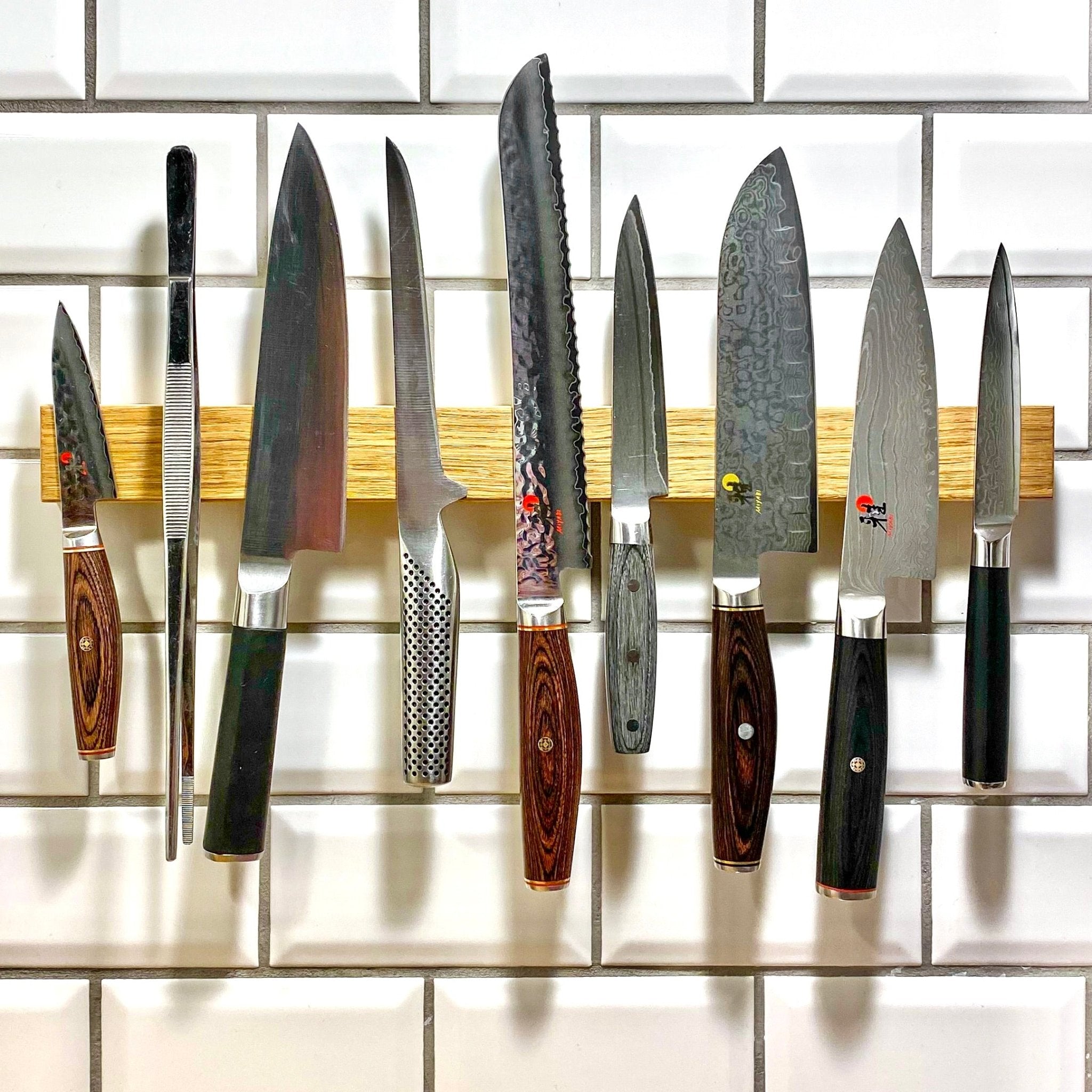
Most homes do not need a large knife block. Look instead at what you cut every week. A strong basic set is often one versatile main knife, a small paring knife and a bread knife. Add specialist blades only when a particular task genuinely recurs.
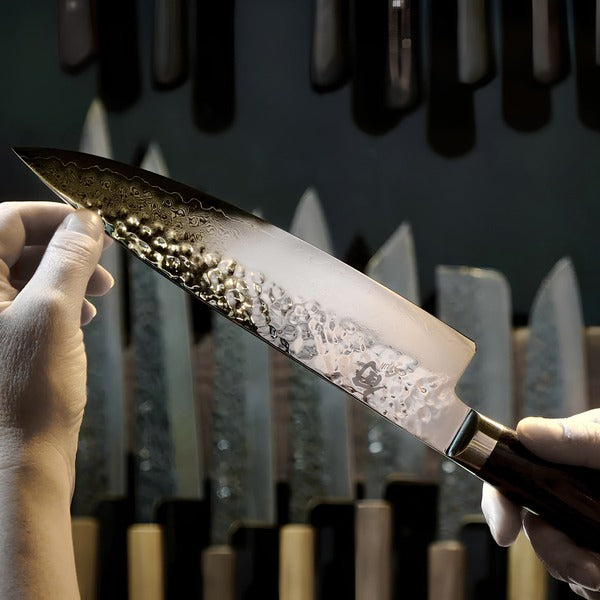
Choose one main knife: chef’s knife, gyuto or santoku
A European chef’s knife and Japanese gyuto both have pointed, fairly long blades for meat, fish and vegetables, though profile, thickness and balance vary. A santoku is often shorter and taller with a less pronounced tip. Choose for your hand, cutting motion and workspace; you rarely need all three.
A paring knife handles small work
A paring knife around 8–10 cm is easy to control for trimming, small fruit, garlic and in-hand work. A 12–15 cm utility knife can bridge the gap, but it is not essential. Buy one only if the jump between main and paring knife feels inconvenient.
A bread knife has a distinct role
A long serrated edge passes through crisp crust and soft crumb without crushing the loaf. It is also useful for large cakes and some thick-skinned fruit. Because it solves a task that a plain edge handles less safely, the bread knife is often the third genuine foundation piece.
When do nakiri and specialists make sense?
A nakiri has a tall, near-rectangular blade for controlled straight cuts through vegetables. Deba, yanagiba, boning and filleting knives likewise answer specific tasks and may require specific technique. Expand only when you can name the problem the new knife will solve. That prevents duplicates and unused tools.
Read next
- Caring for Carbon-Steel Kitchen Knives
- Magnetic knife holder: narrow or wide – which should you choose?
- Carbon steel vs. stainless steel for Japanese kitchen knives