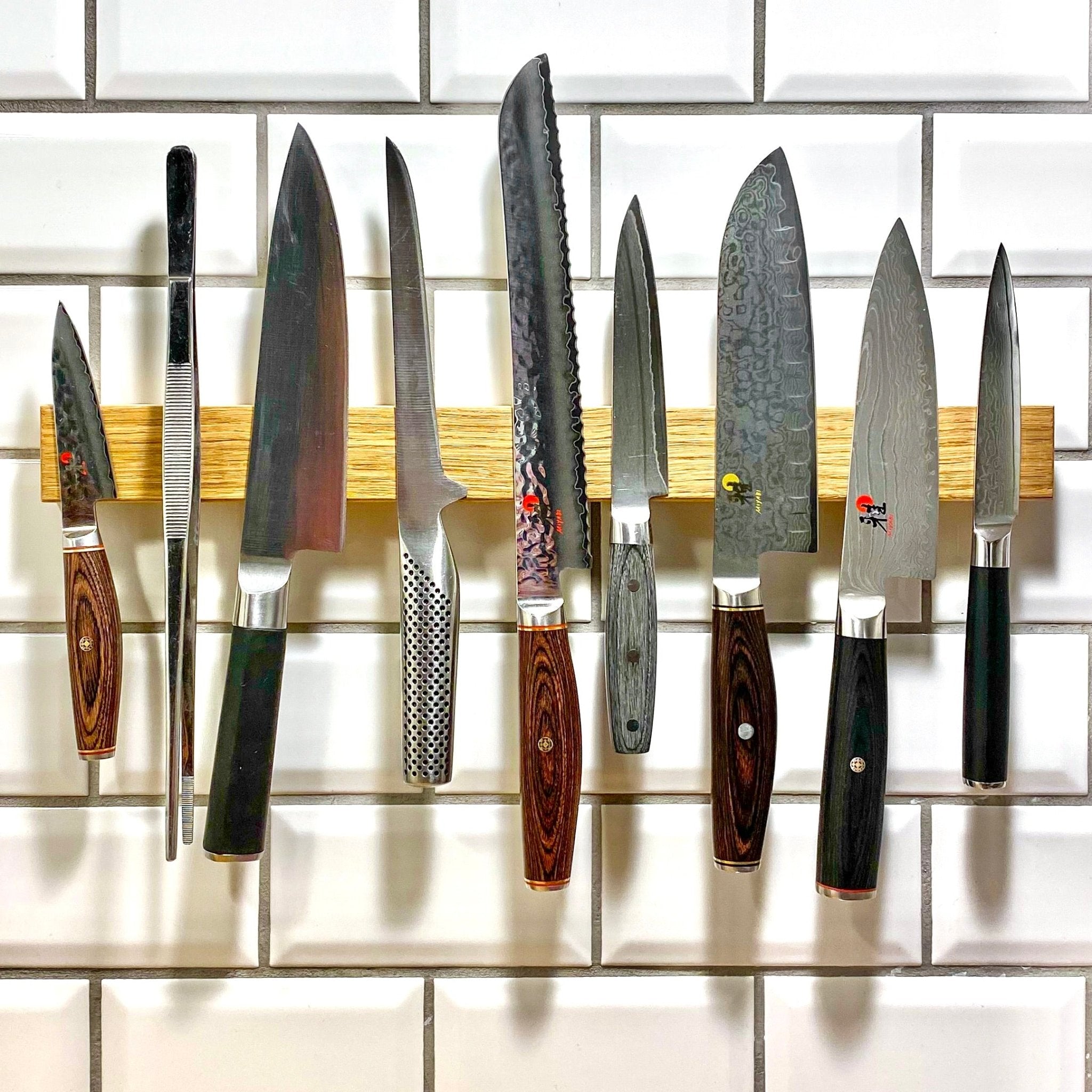
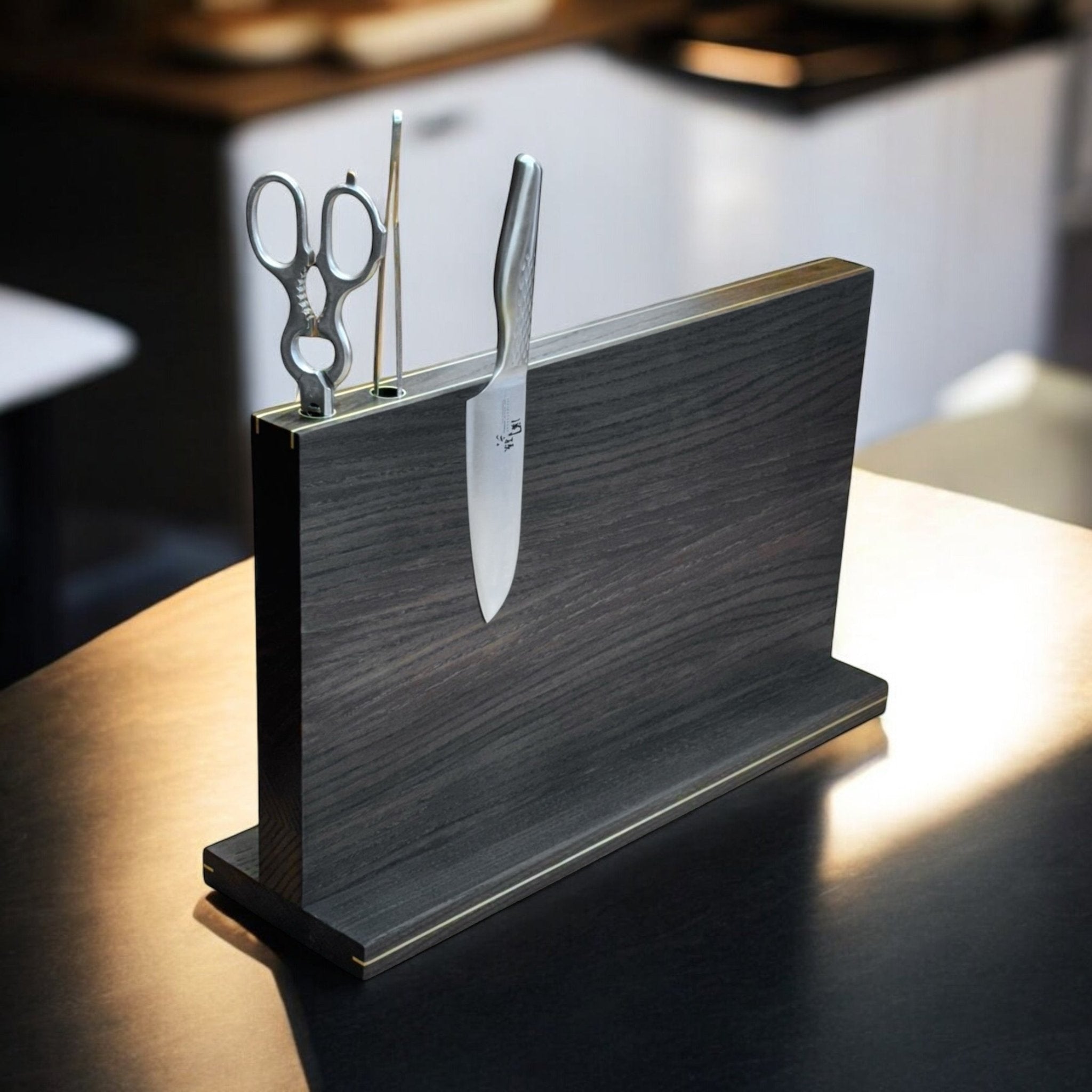
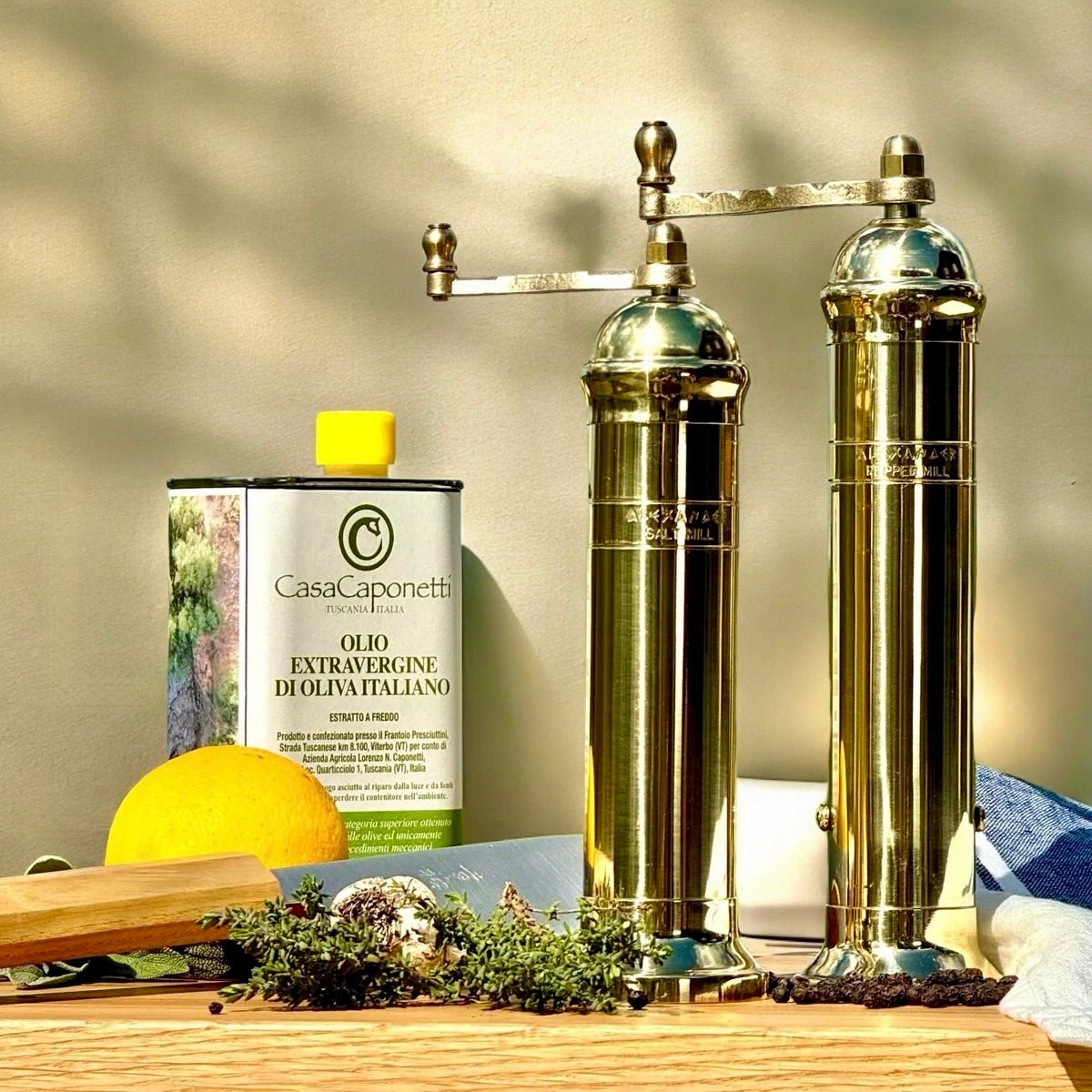
Snapshots from everyday life at Rune-Jakobsen Design

Personal customer service – even when something goes wrong
At Rune-Jakobsen Design, Kari and Torben reply themselves – no call centre, no chatbot. On advice, custom sizes and what happens when something goes wrong.
Read more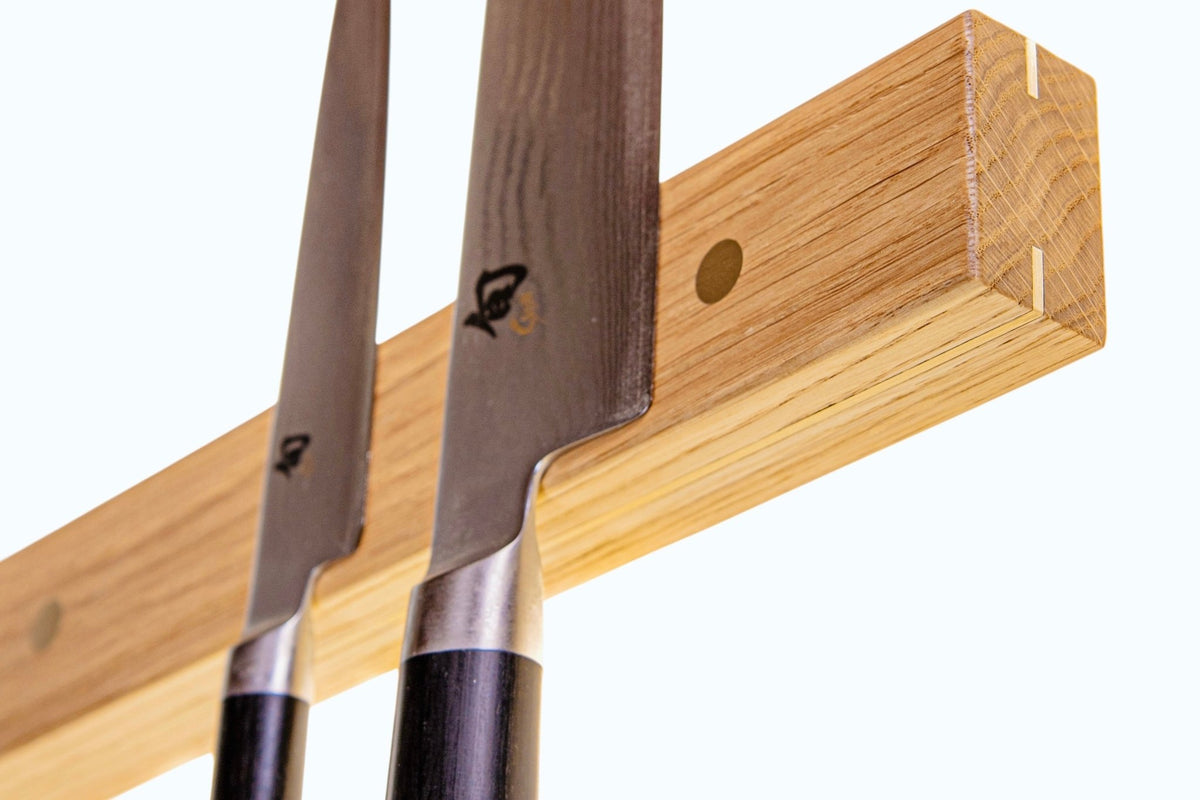
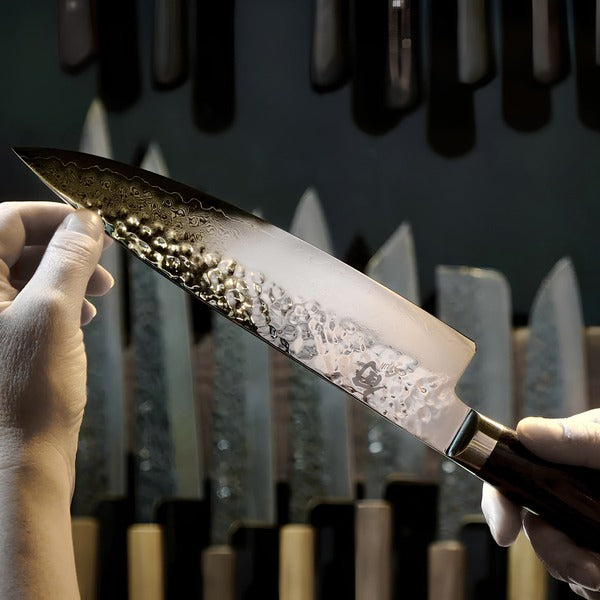
A magnetic knife holder is not just a magnetic knife holder
Magnet placement, width, front material and manufacturing decide how a magnetic knife holder works and looks. A look at what sets Rune-Jakobsen Design's holders apart from other makers – and what d...
Read more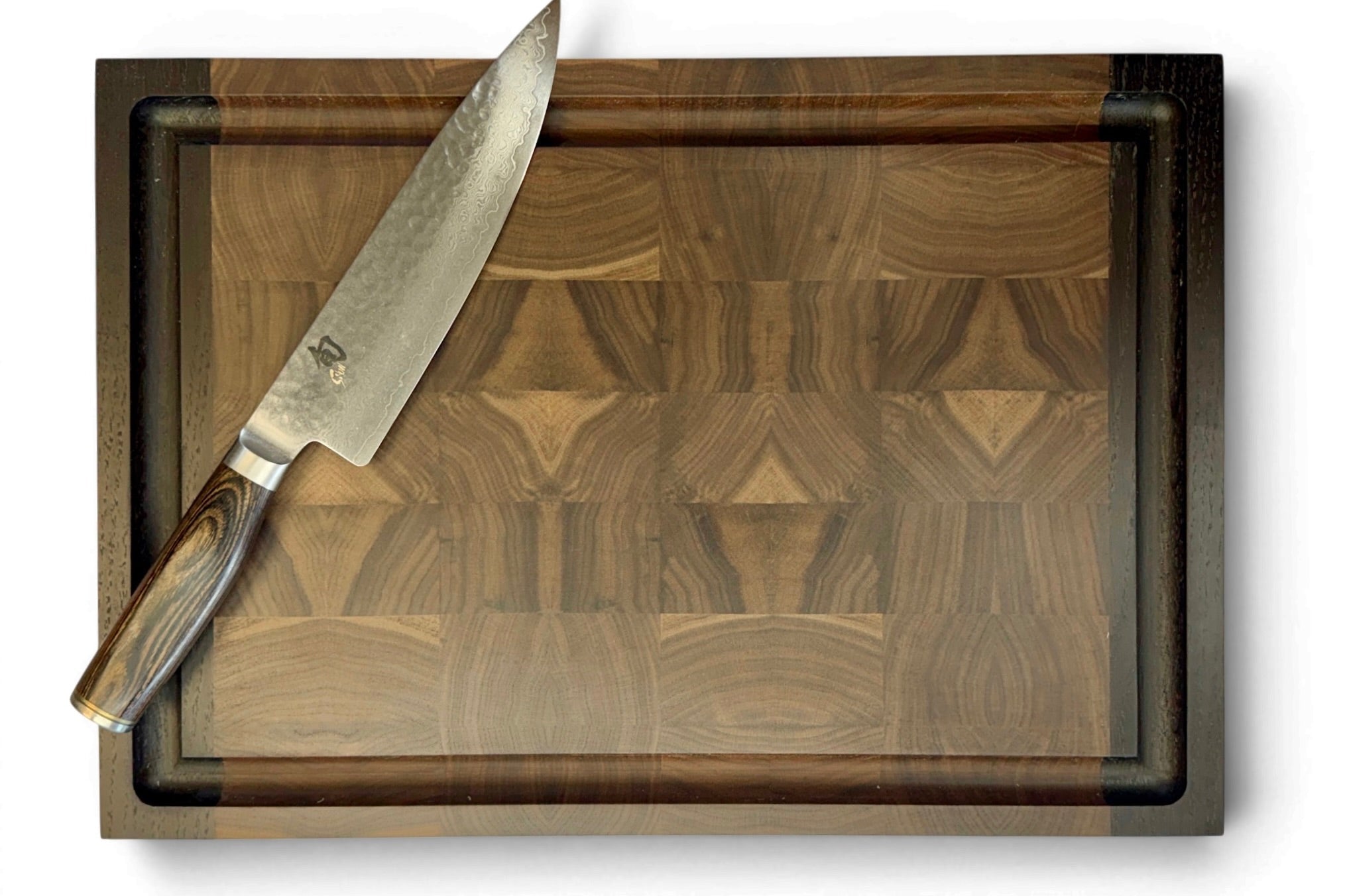
A cutting board is not just a cutting board
End grain, juice grooves and handles are found at many makers. The difference with a Rune-Jakobsen Design cutting board lies in how wood, construction, function and aesthetics are thought through t...
Read more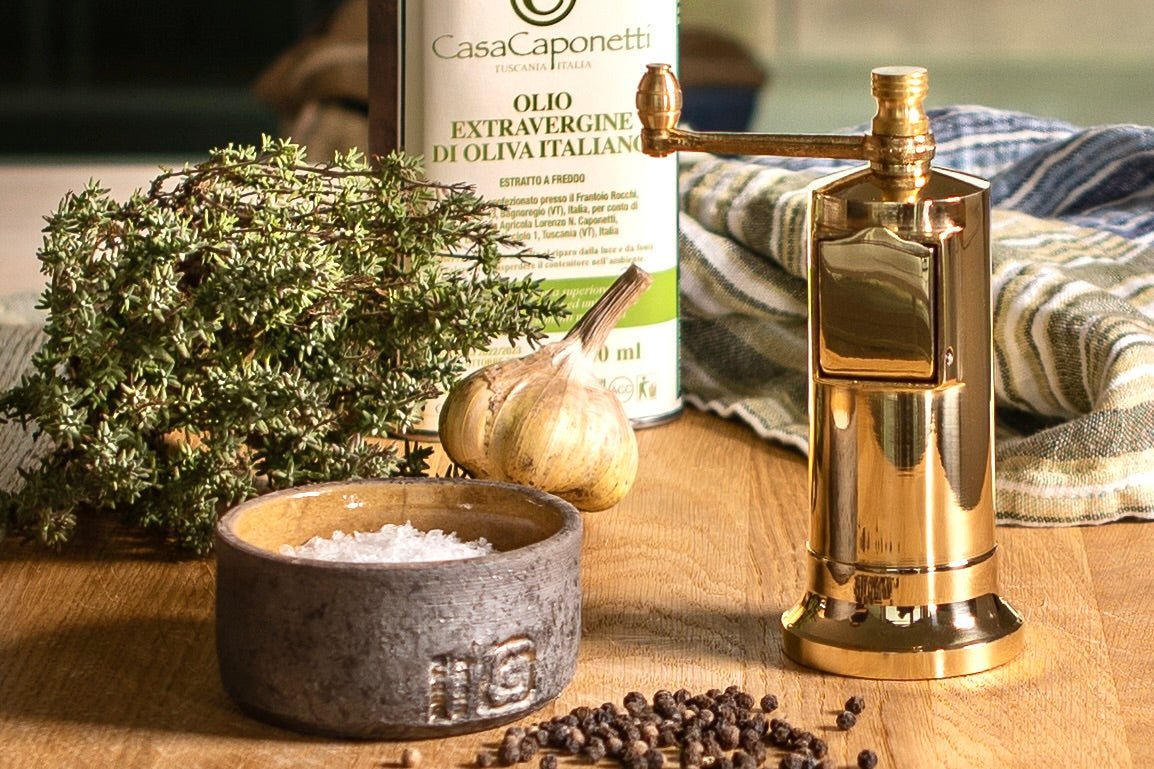
A pepper grinder is not just a pepper grinder
Grinding mechanism, crank handle, solid brass and copper that develop a patina with use. Why Alexander Handcrafted Mills from Greece differ from Peugeot, Zassenhaus and the Pepper Cannon – and why ...
Read more
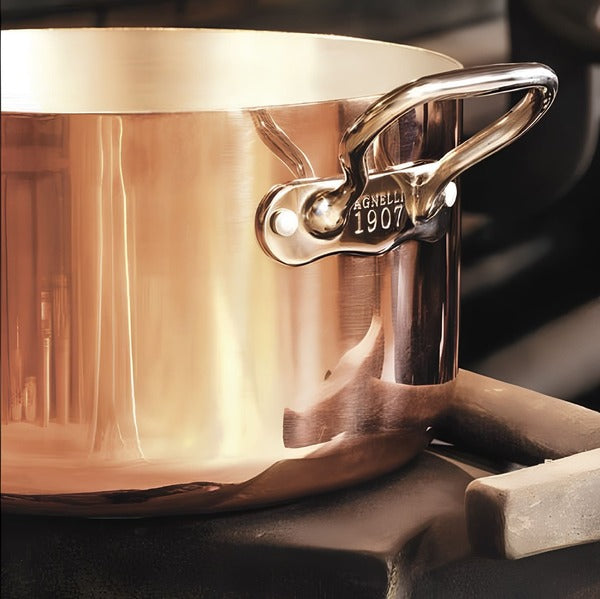
Aluminium, 3-PLY, 5-PLY, Copper4 and cast iron behave differently on the hob. Pentole Agnelli treat the material as part of the cooking – compared here with All-Clad, Mauviel and de Buyer.
Read more
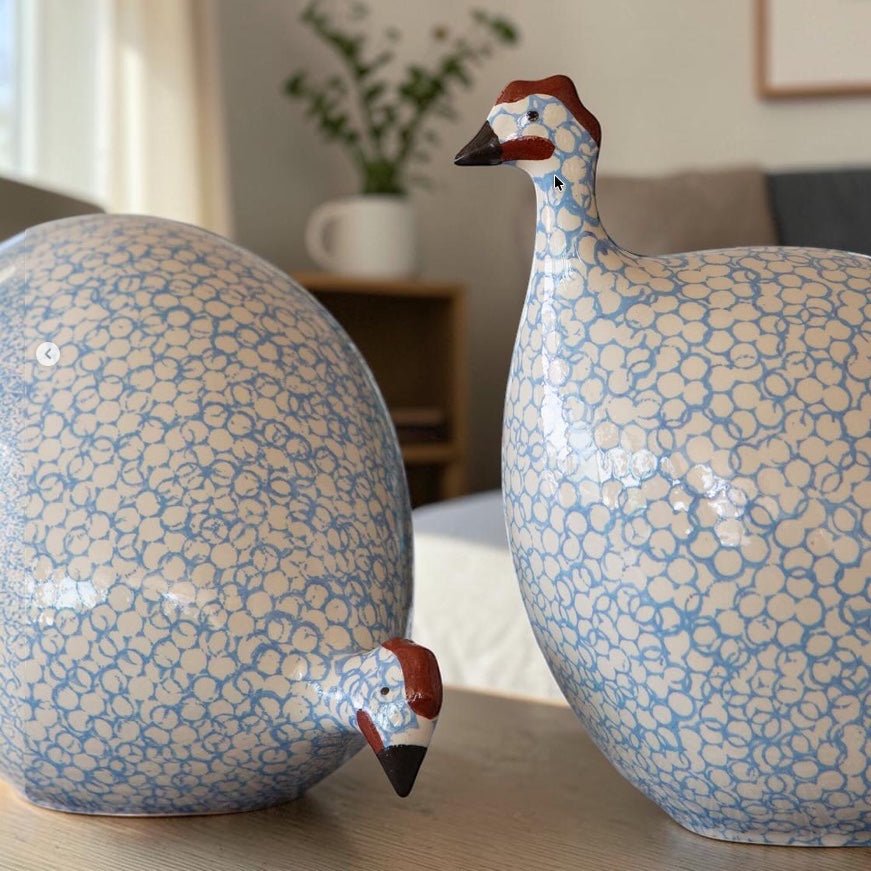
A ceramic figure is not just a ceramic figure
Pintade, Caille and Poulette from Les Céramiques de Lussan are reduced to silhouette, colour and hand-painted mouchetage. The story behind Heidi Caillard's guinea fowl – and what sets it apart from...
Read more