Filters


Kogei means craftsmanship – things meant to be used
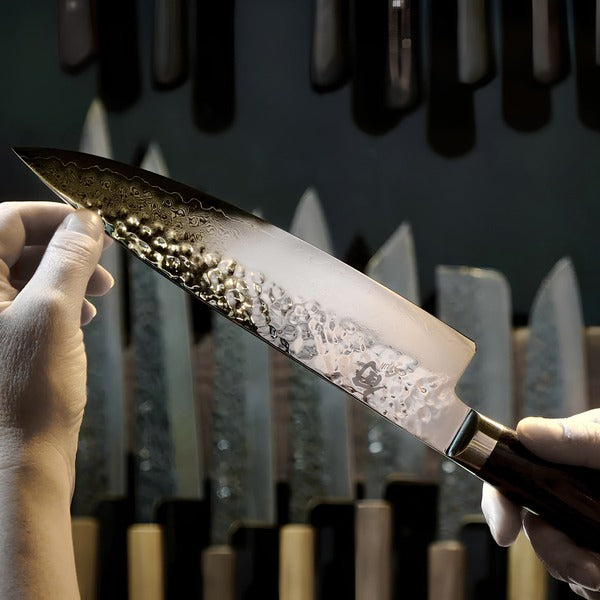
Kogei (工芸) is the Japanese word for craftsmanship: objects made by hand and meant for everyday use. The term covers a wide range of regional craft traditions – metalwork, ceramics, lacquerware, wood, textiles and paper – passed on from one generation to the next.
Five criteria for a recognised craft
Since 1974, the Japanese state has officially recognised the craft traditions that meet five criteria:
- The object must be made for everyday use
- The main stages of production must be done by hand
- Traditional techniques must be used
- The materials must be traditional to the craft
- The craft must be practised in the region where it historically belongs
The recognition ensures that the techniques are passed on to the next generation and that the workshops can keep making things that would otherwise disappear. The most accomplished practitioners can also be named “Living National Treasures” – a personal honour that dates back to the 1950s.
Kogei at Rune-Jakobsen Design
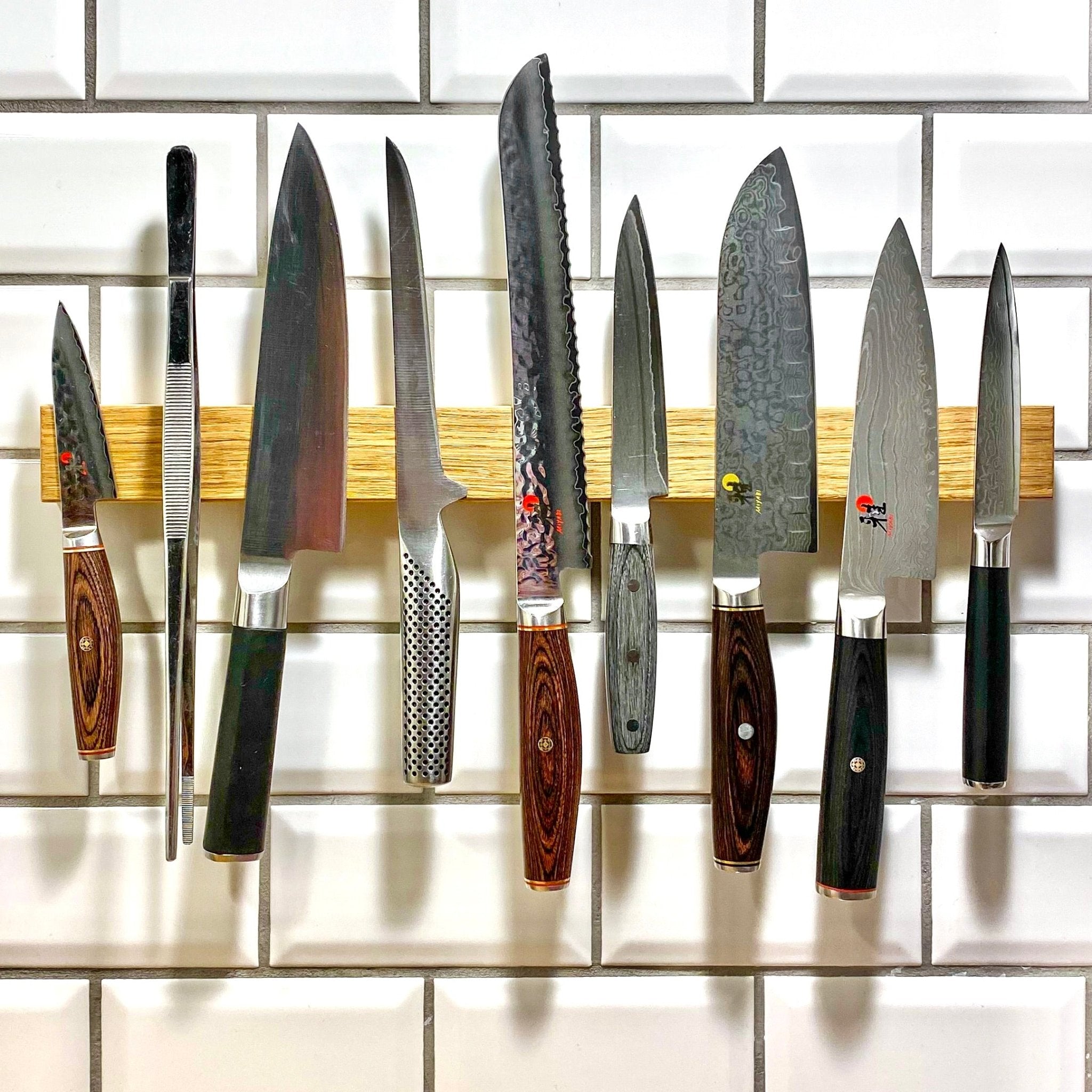
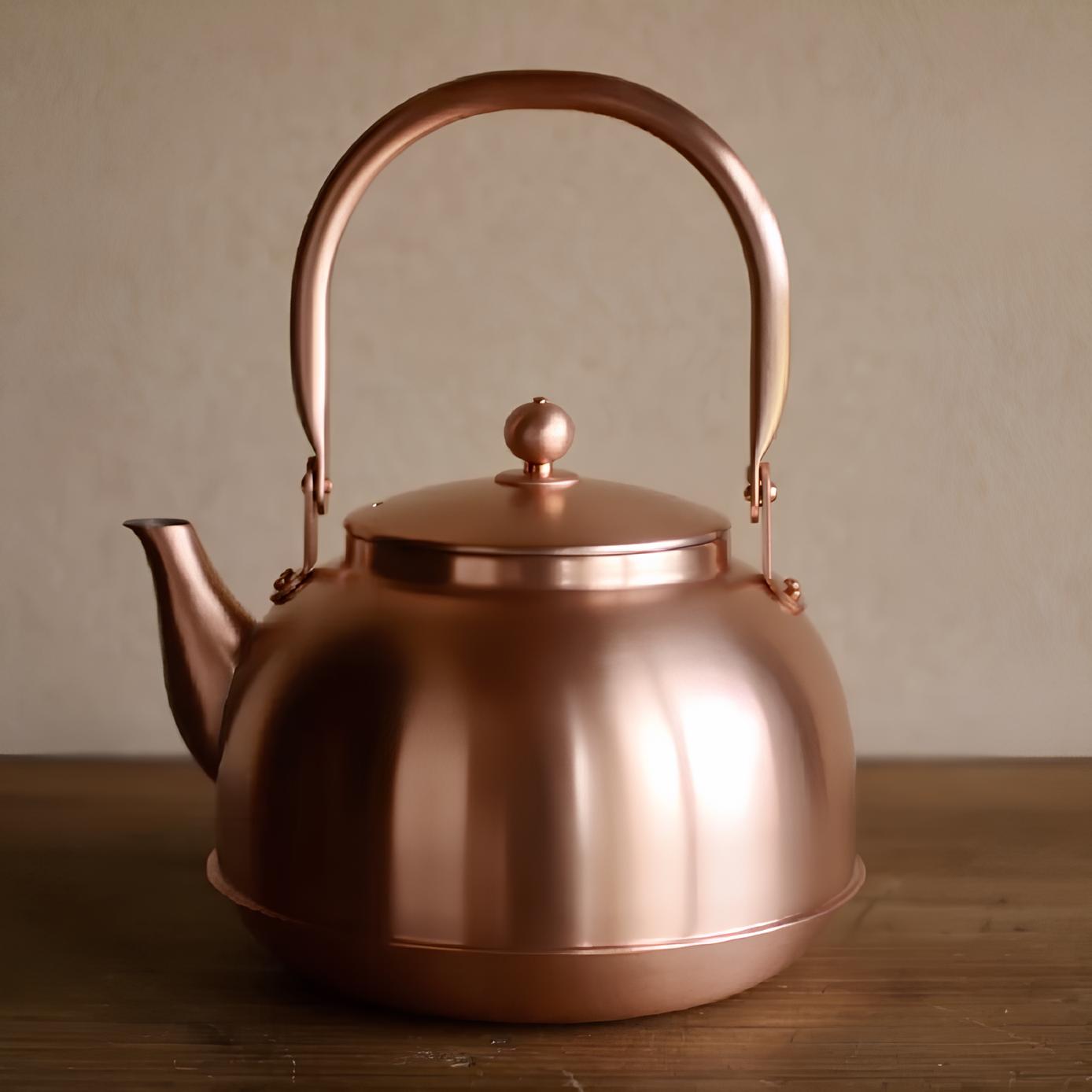
This is why Japan has craftspeople who, drawing on centuries-old traditions, create beautiful and functional objects of exceptional quality. We have selected a number of them: Shinko makes copper tea and coffee caddies in Tsubame, Sakami Kogei shapes brass trays and forks in Tokyo, Shiratake Gama throws citrus juicers in Amakusa stoneware, Matsuda turns chestnut-wood trays on Kyushu, Nishitame builds bento boxes in hinoki cypress, and Osamu Saruyama makes knives, cutlery and trivets in steel, brass and cast iron.
All products are sourced directly in Japan – selected by us personally and passed on without middlemen.
Inspiration: Japanese craftsmanship: the difference between handmade and industrial production · Crafts with origins