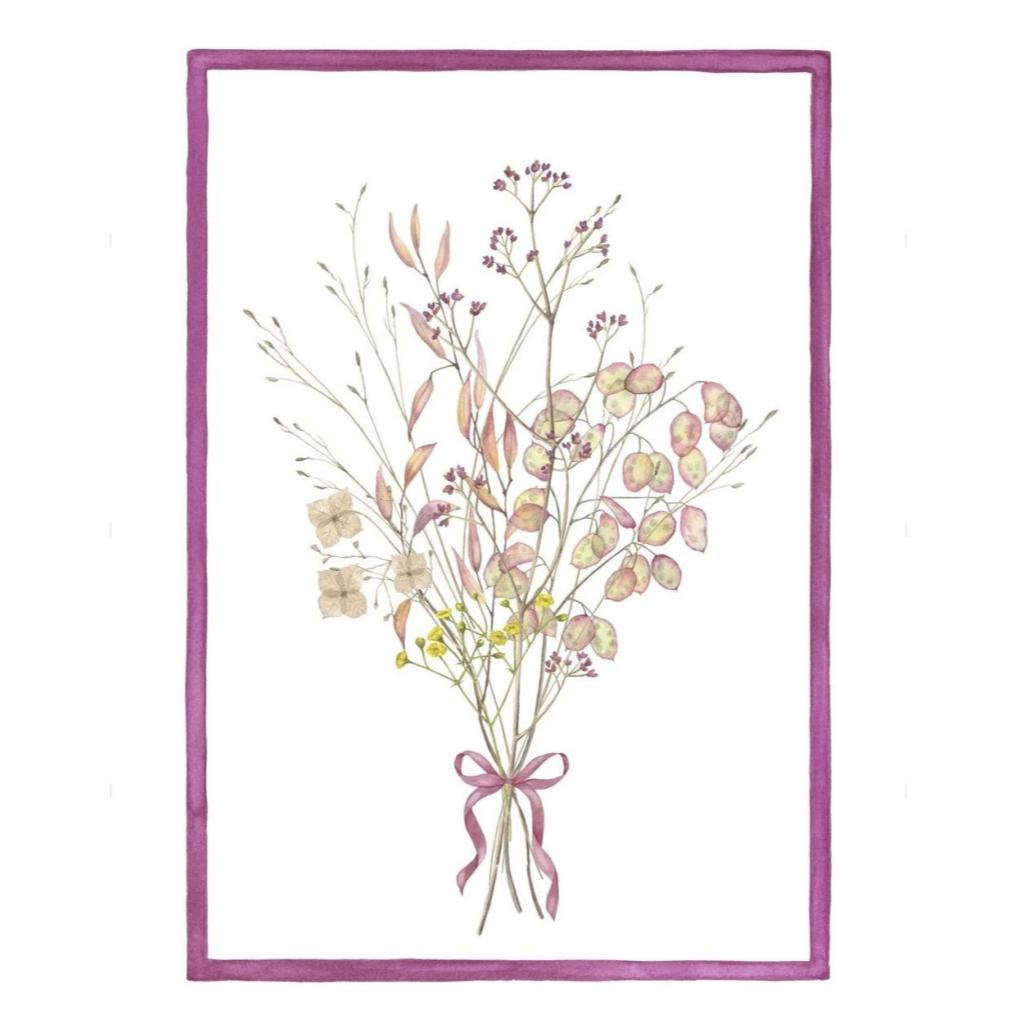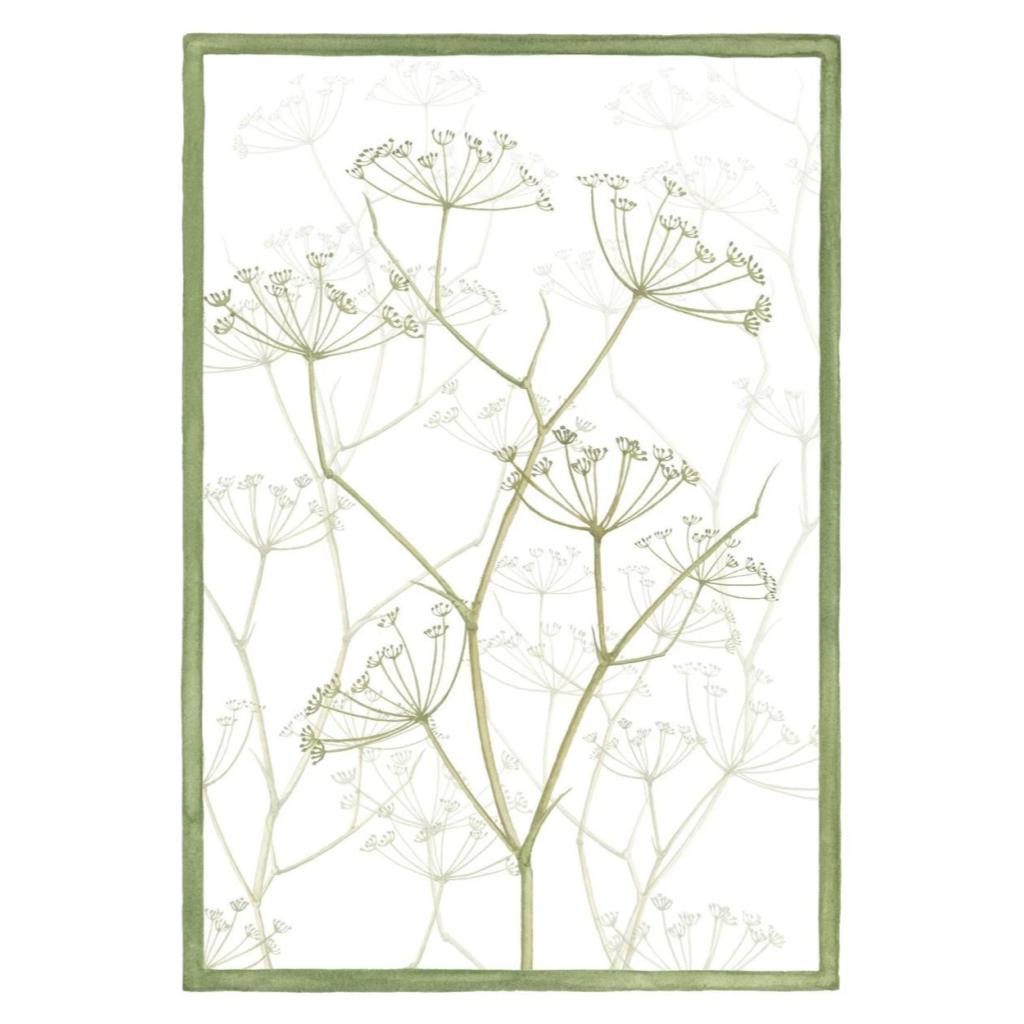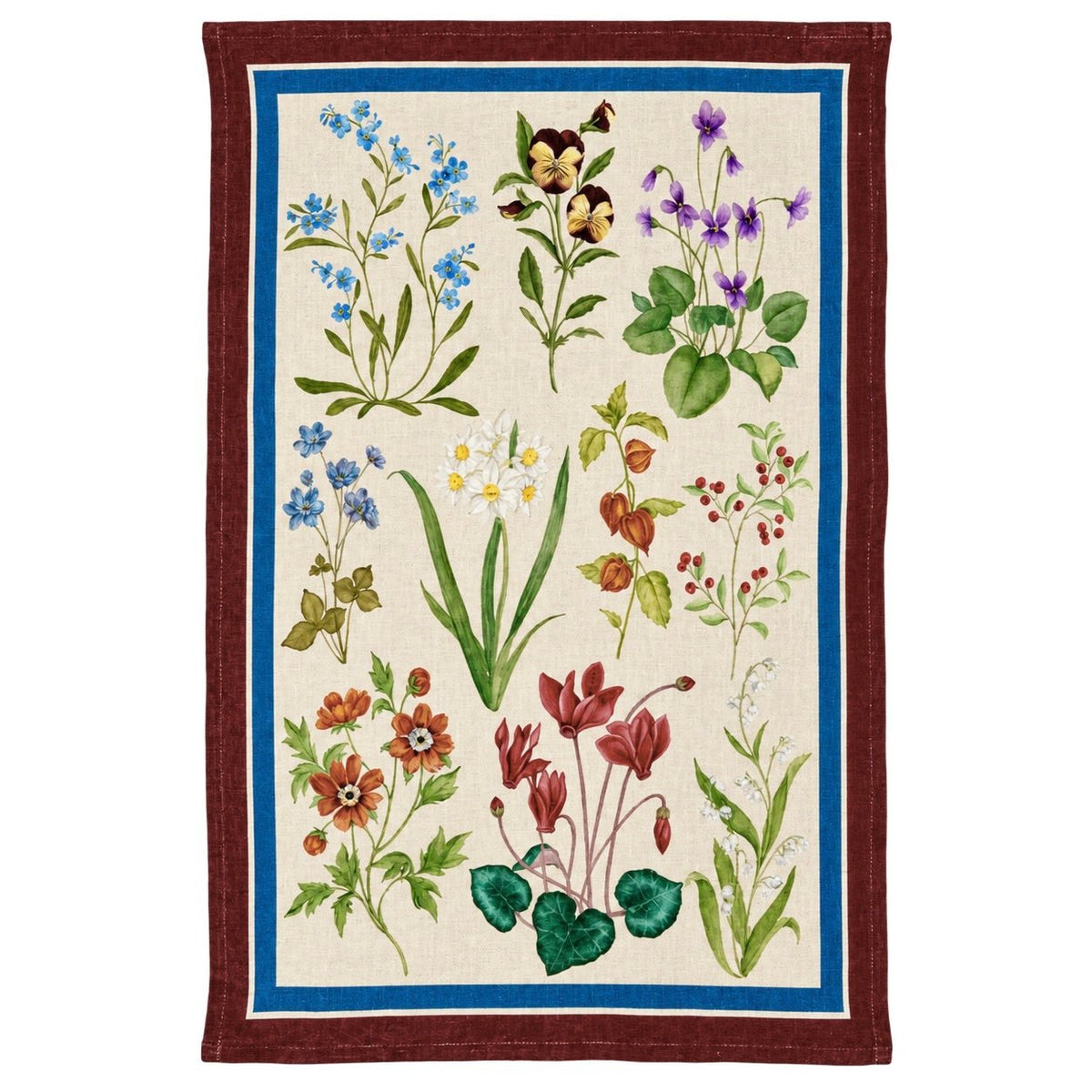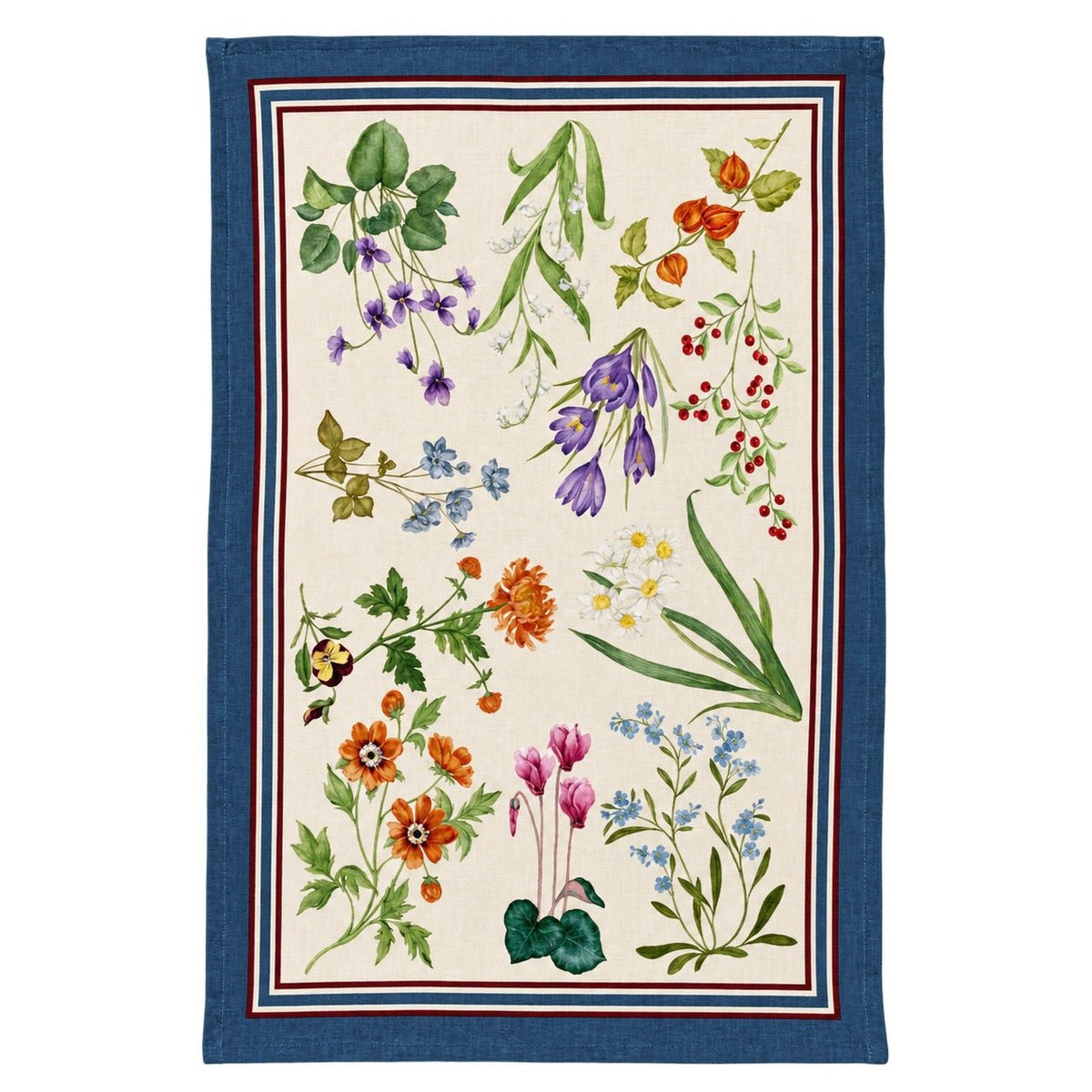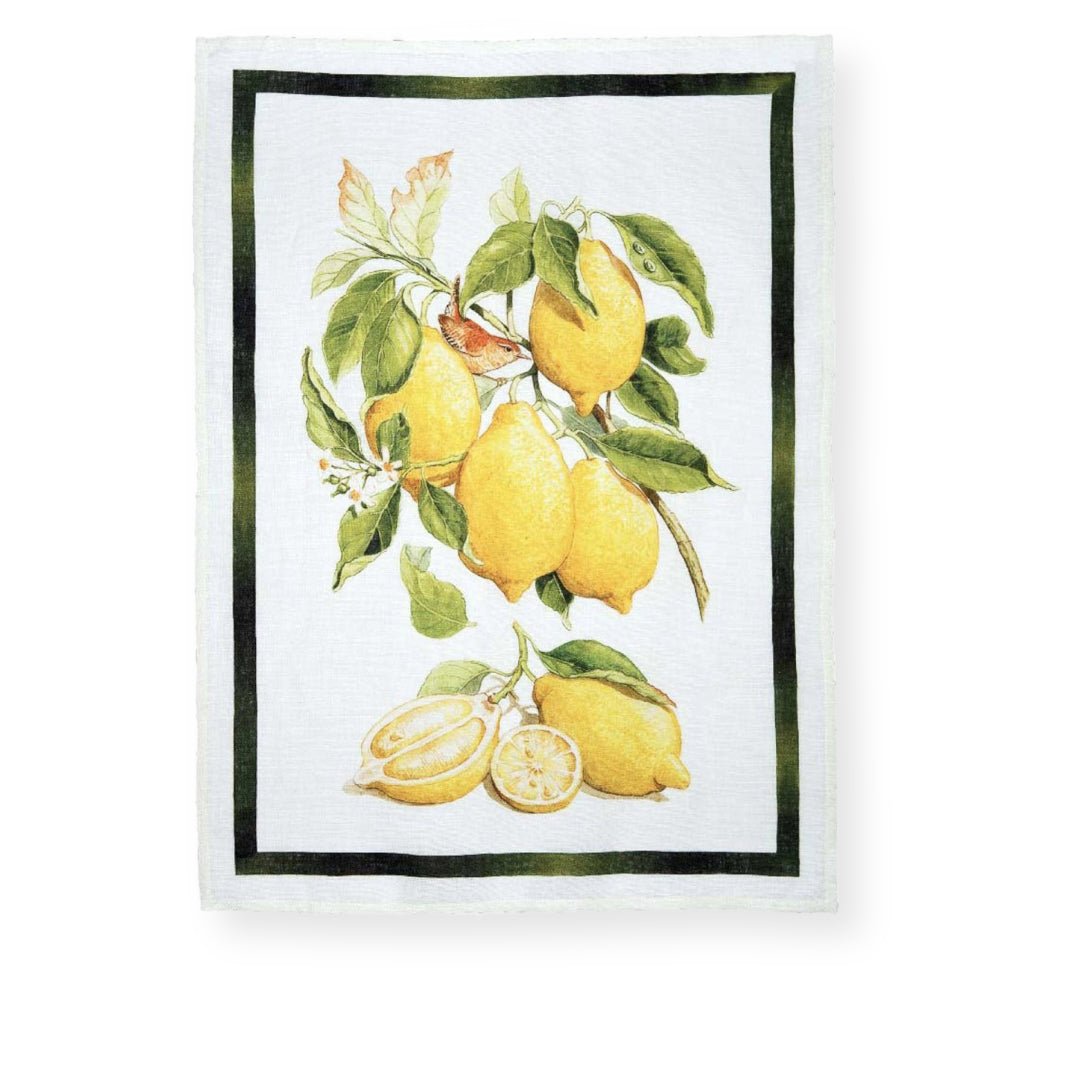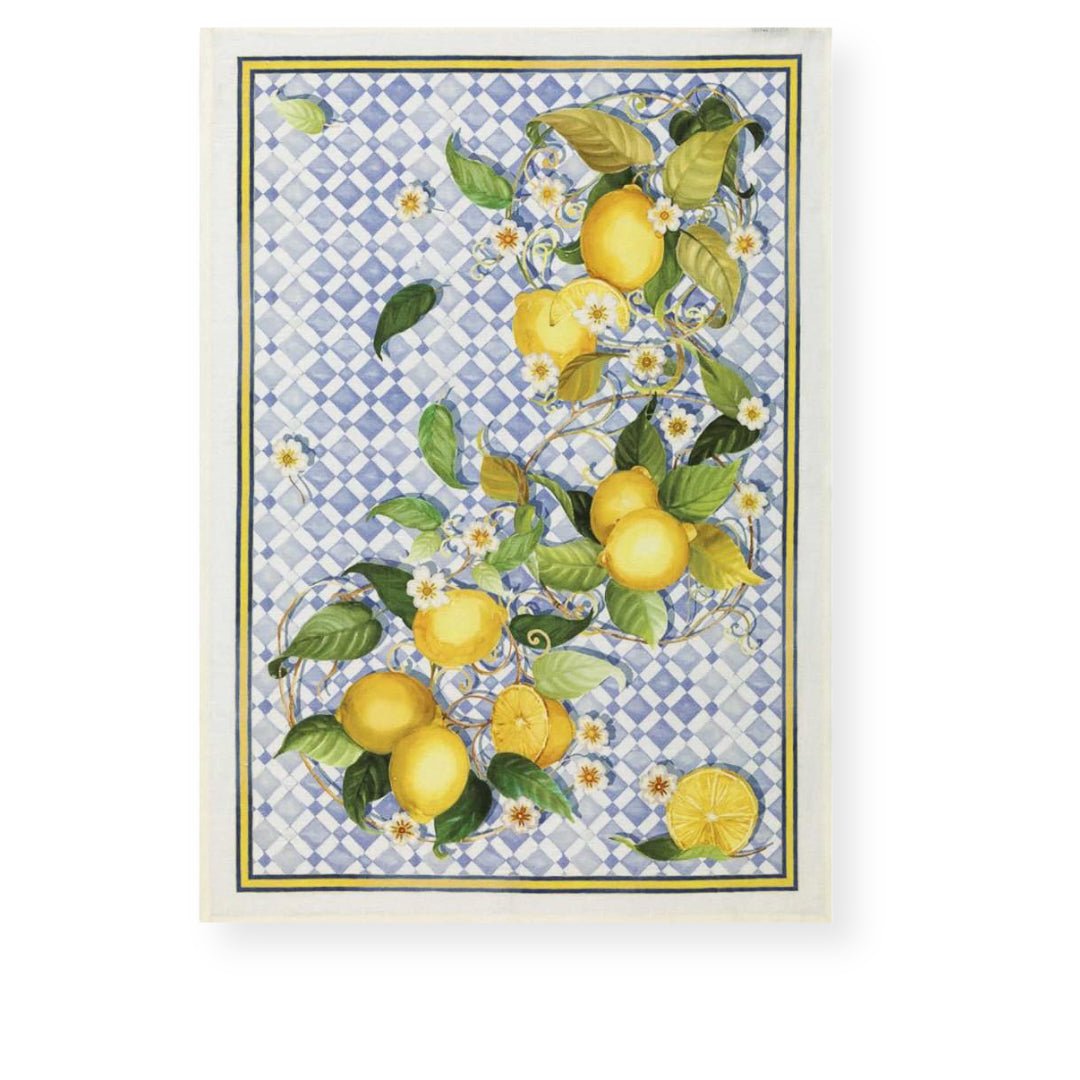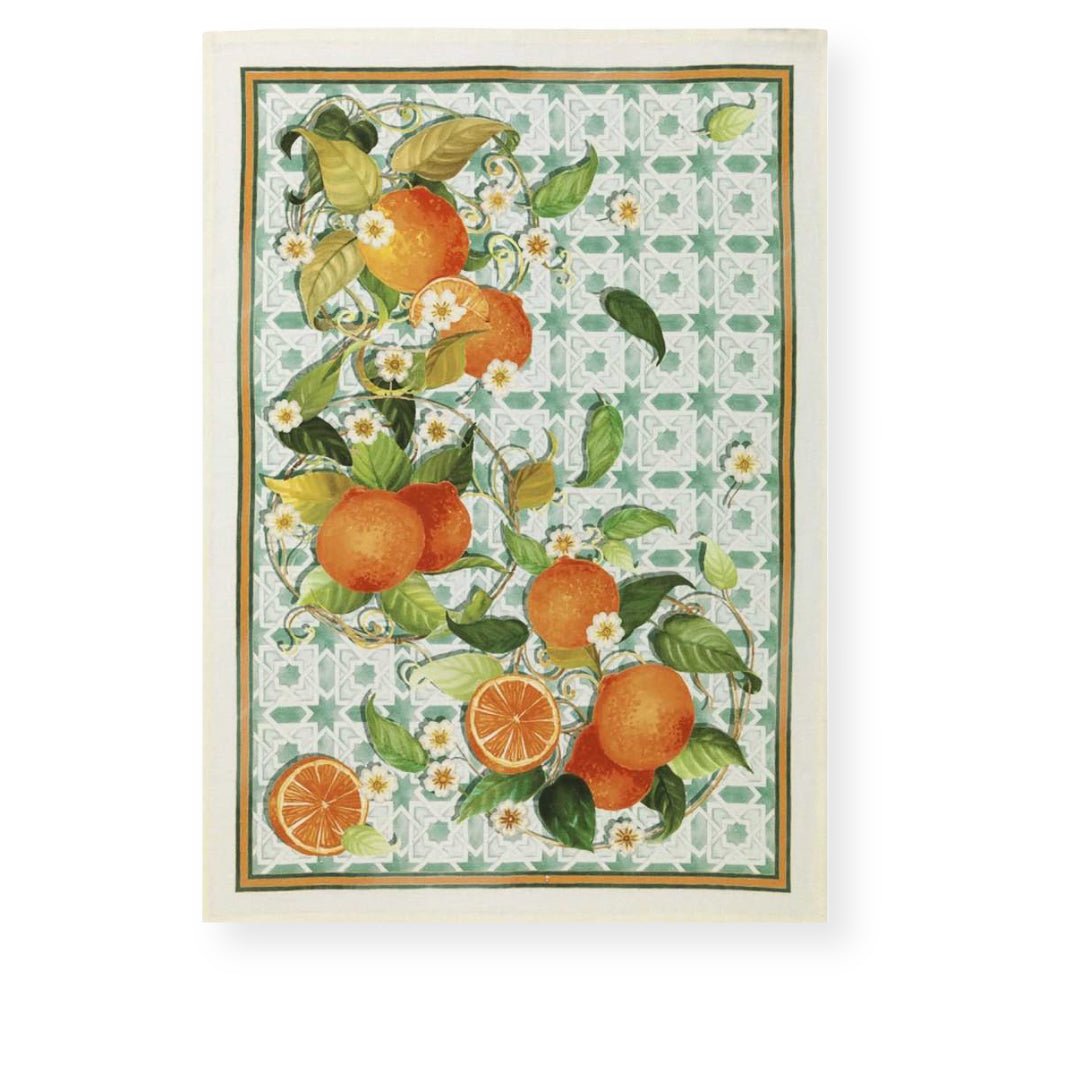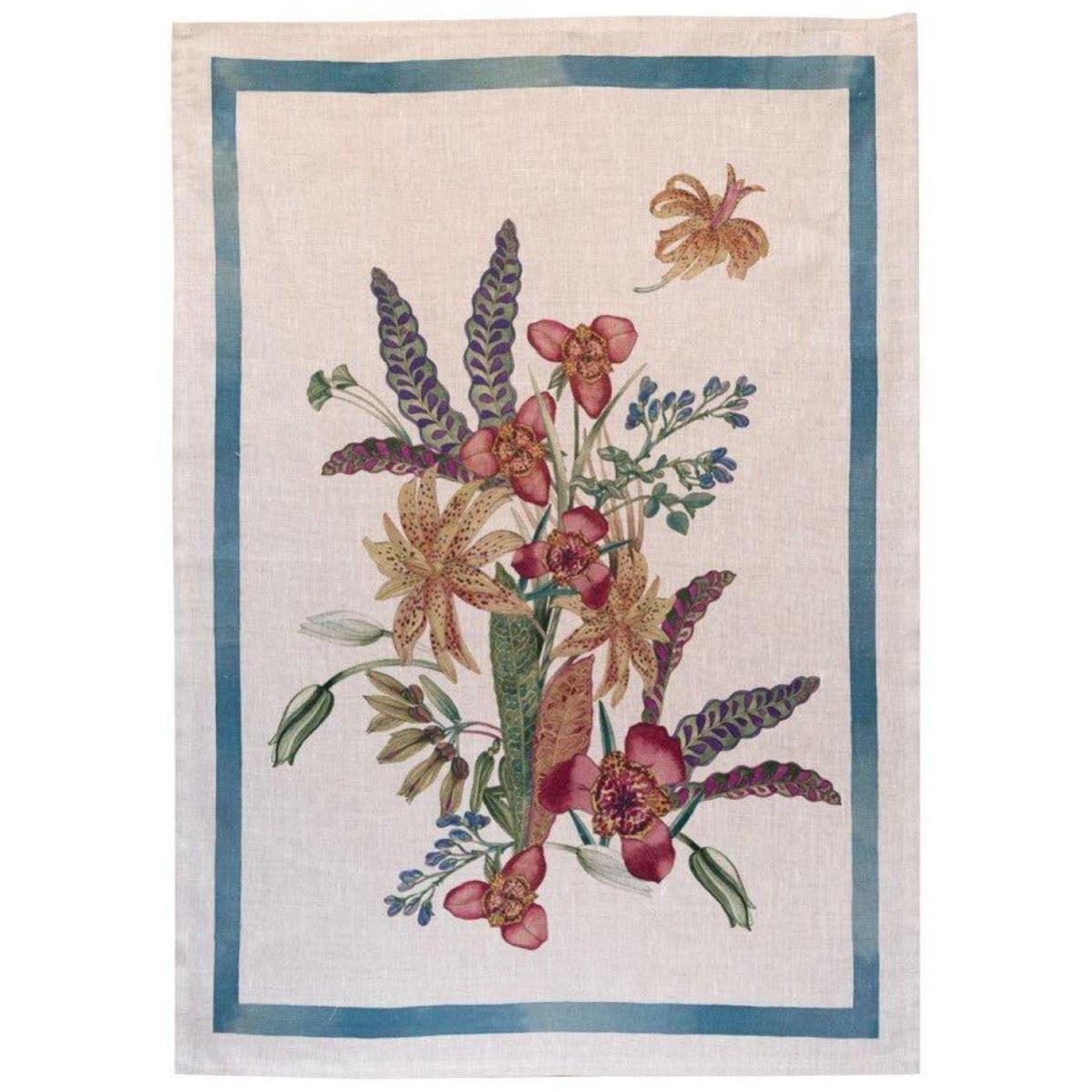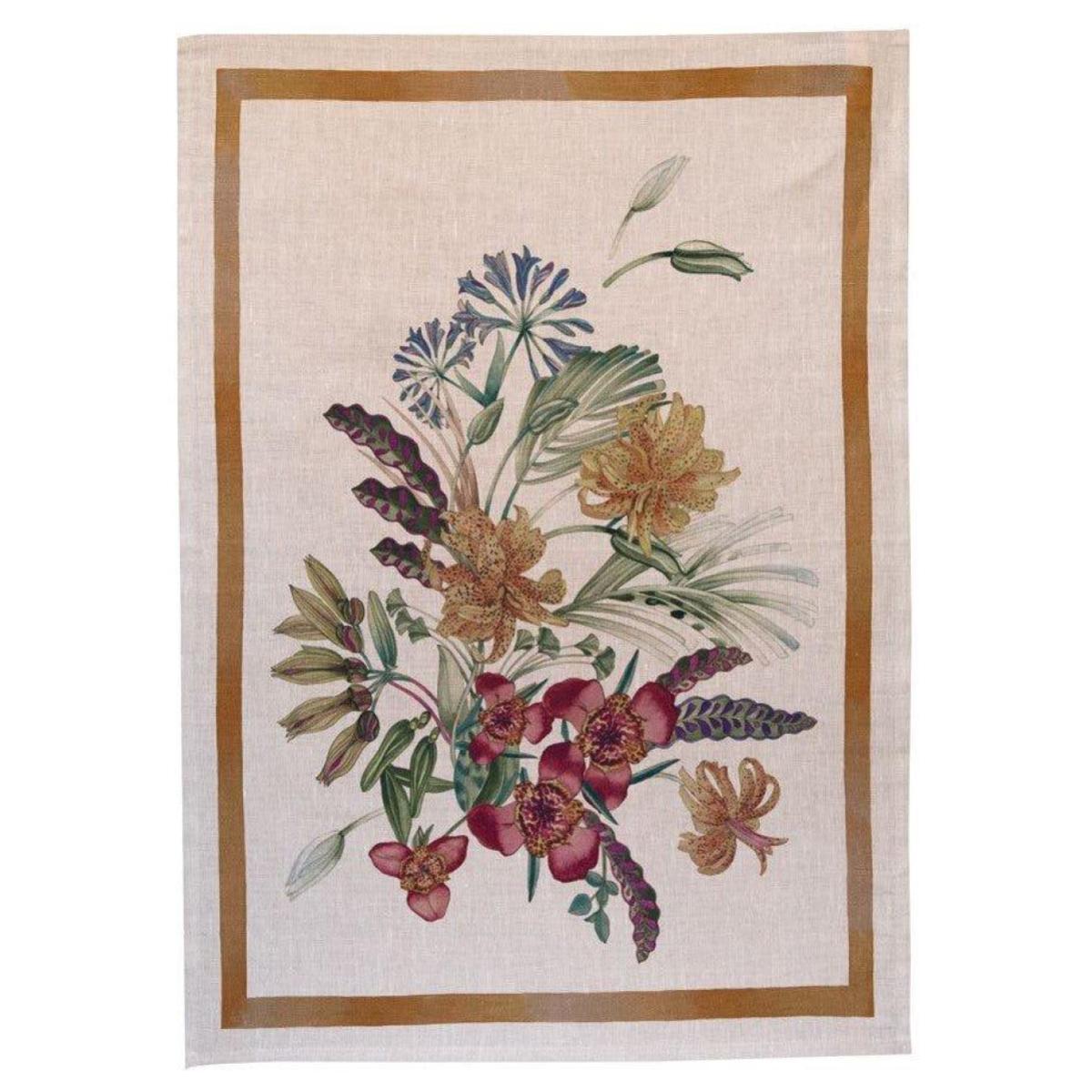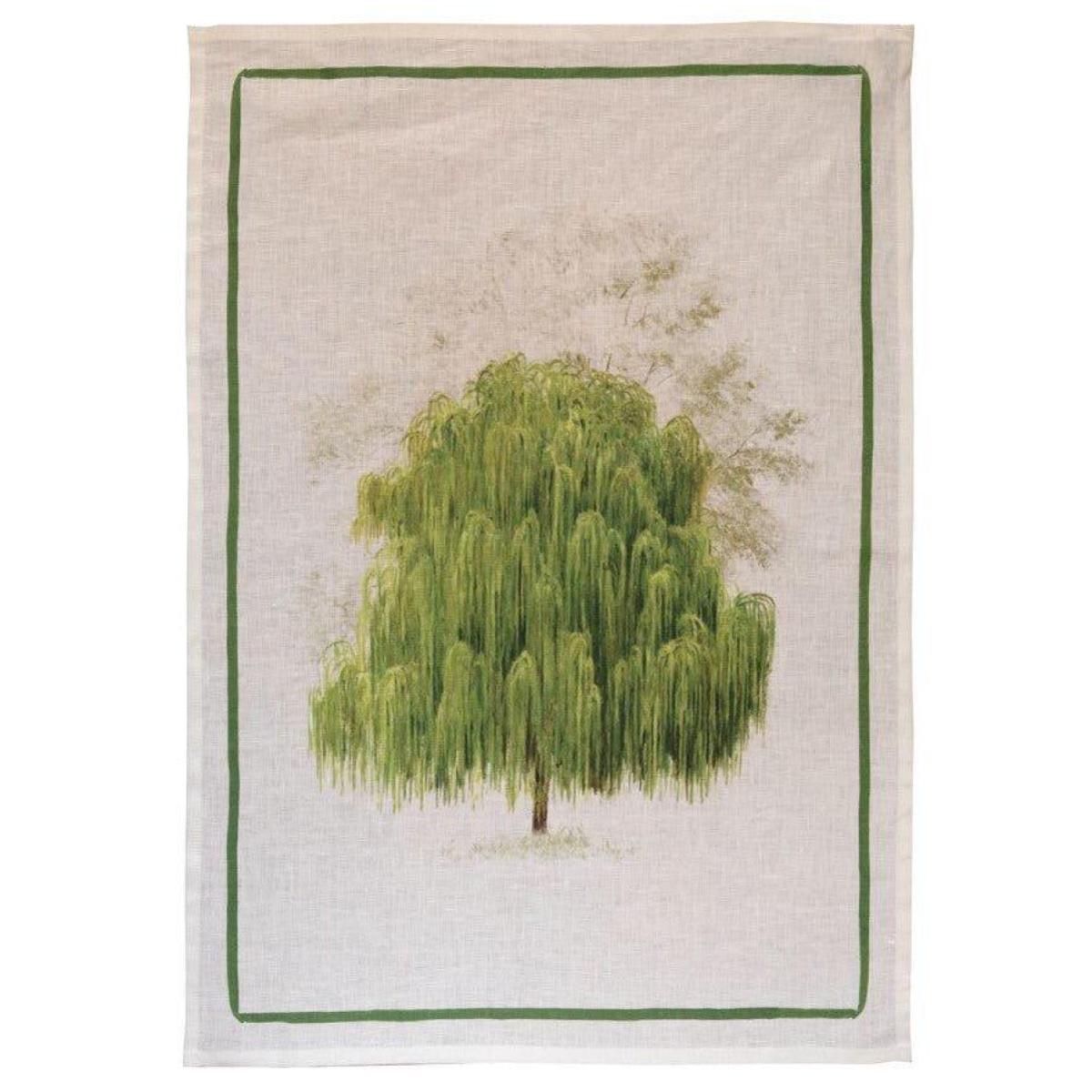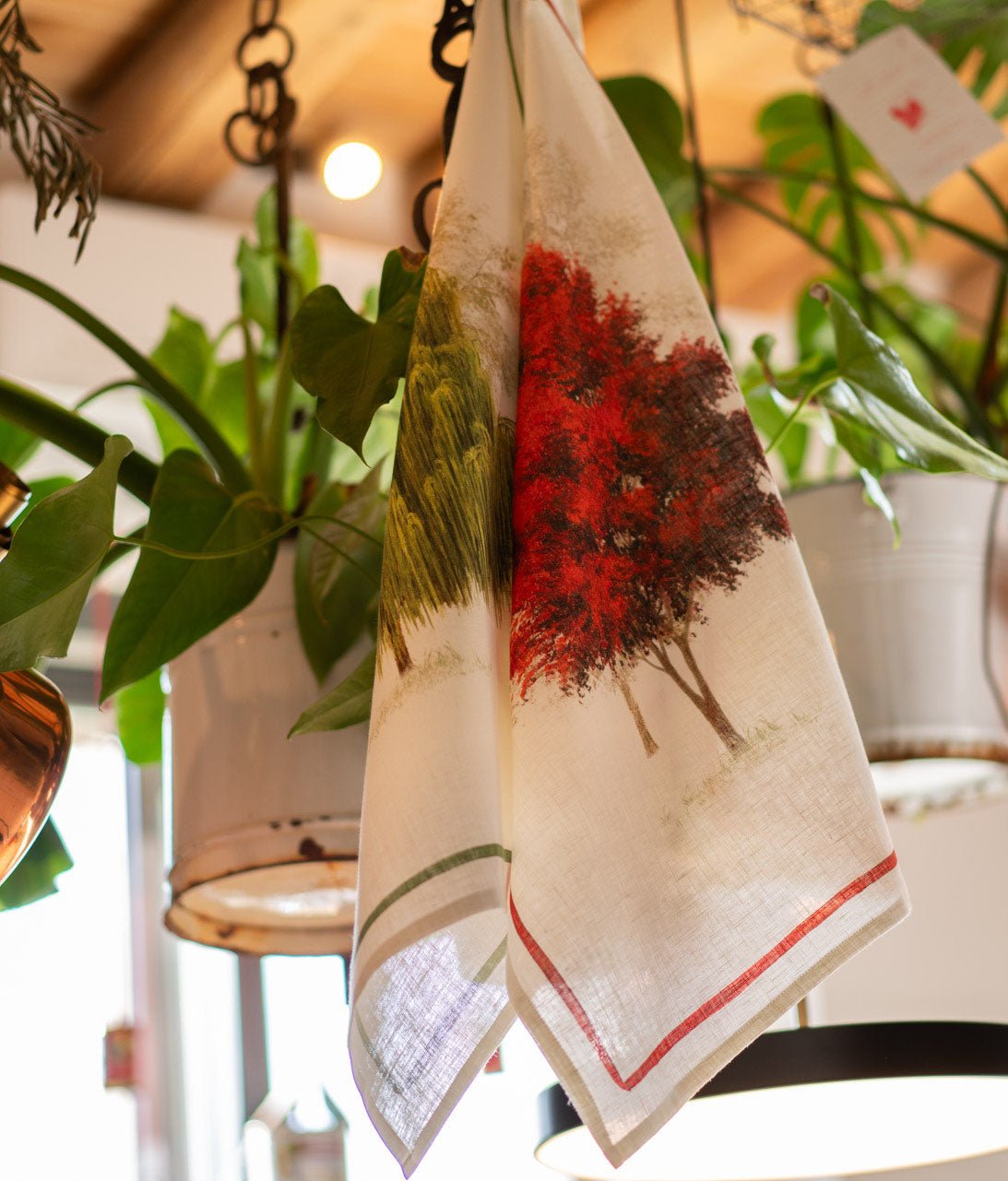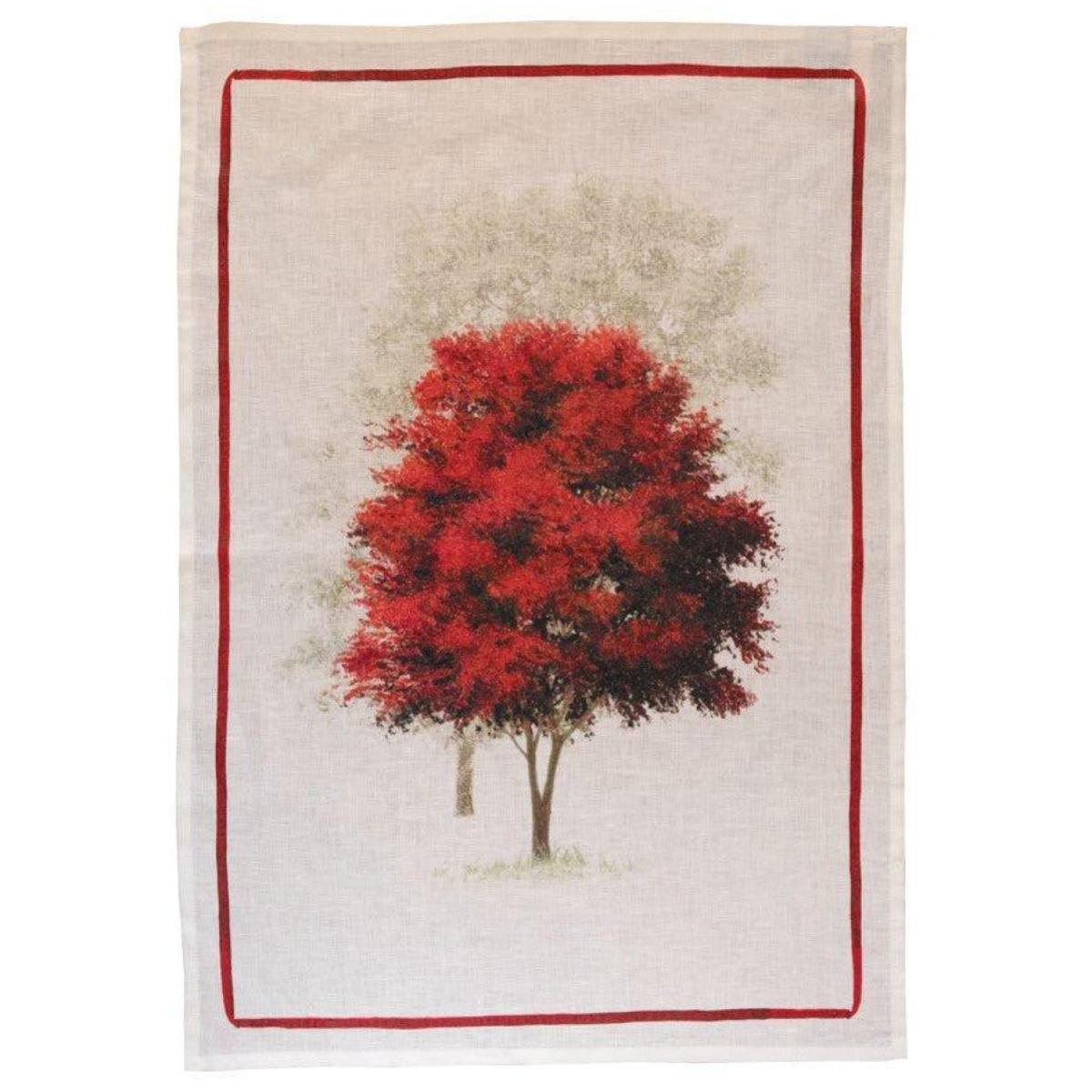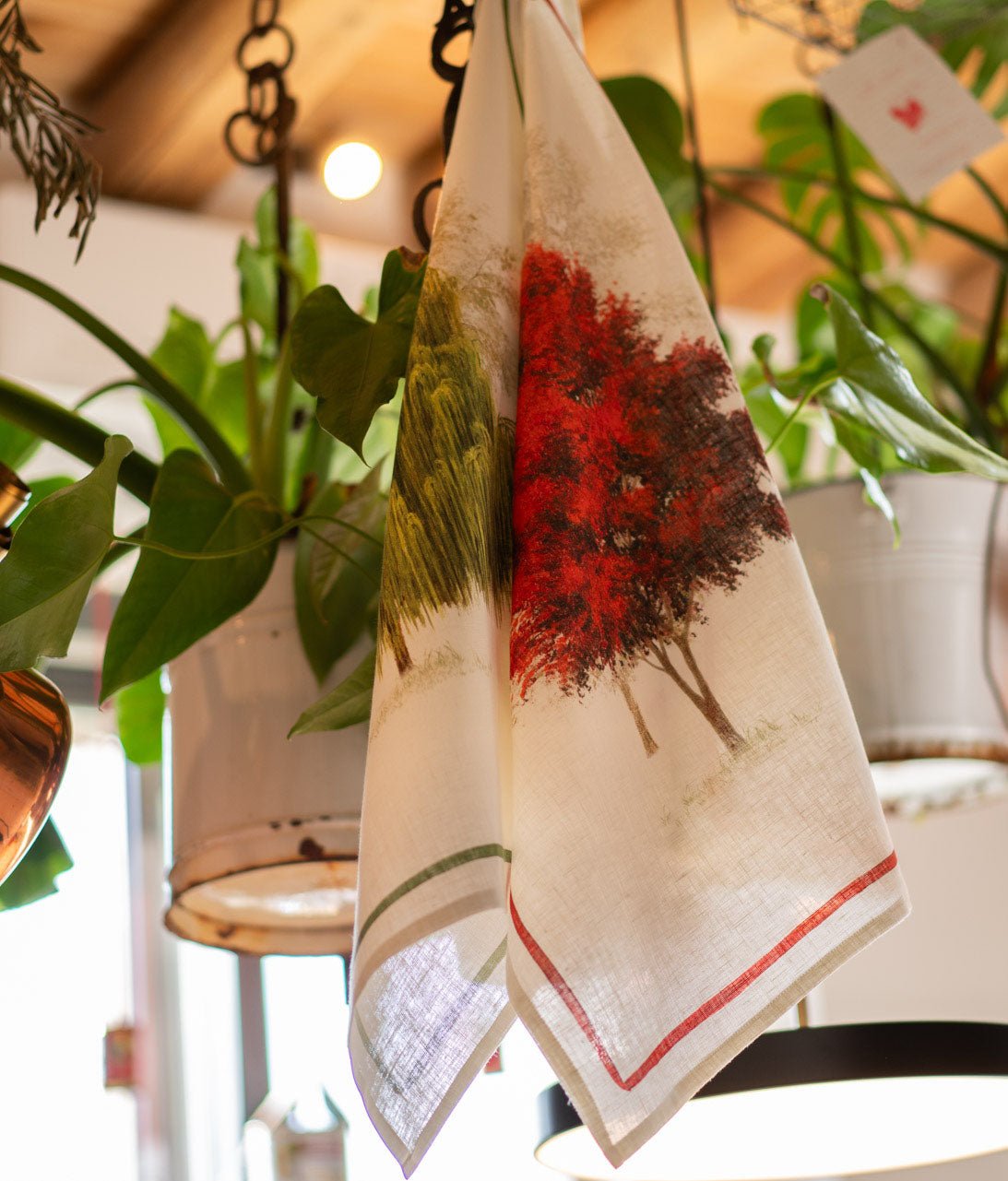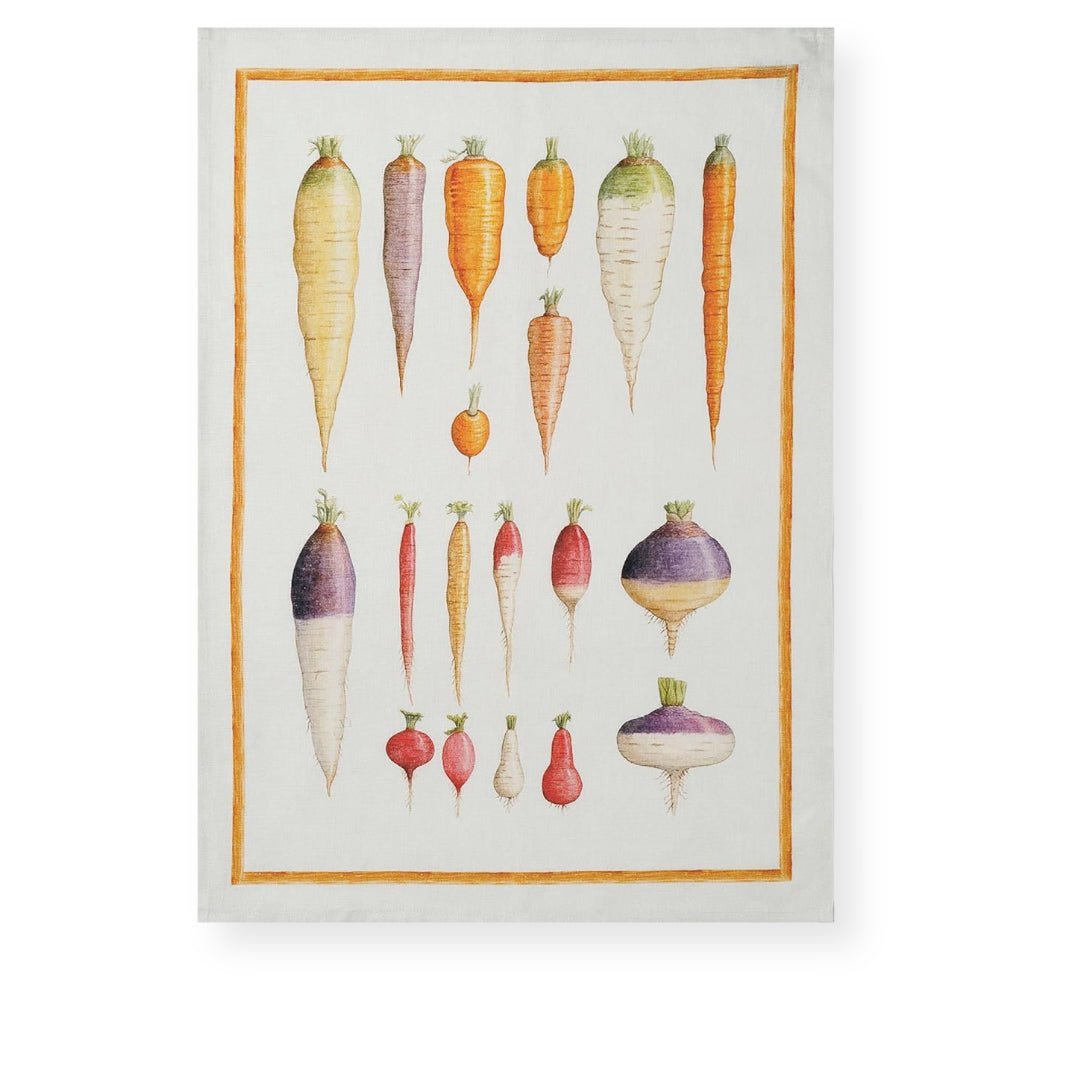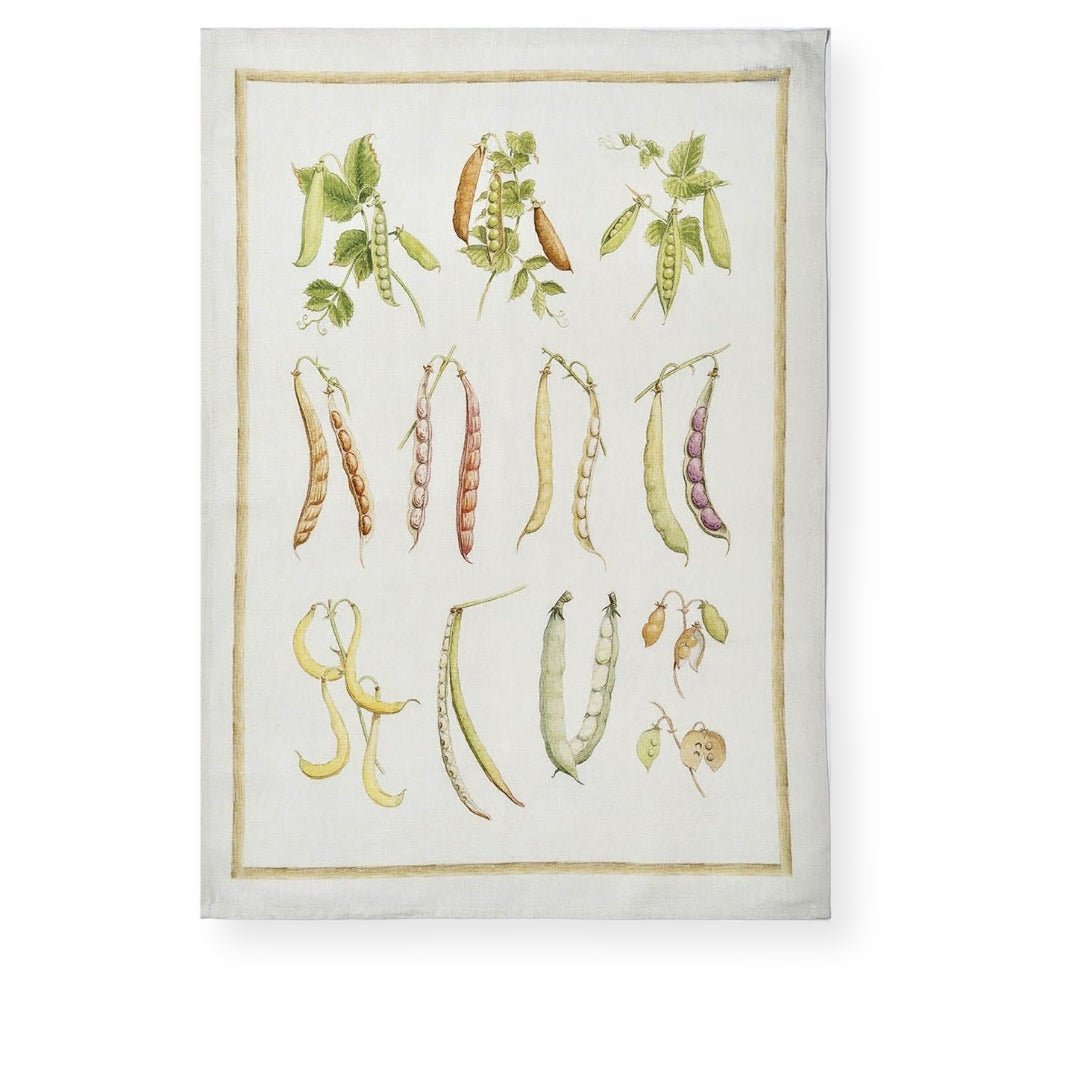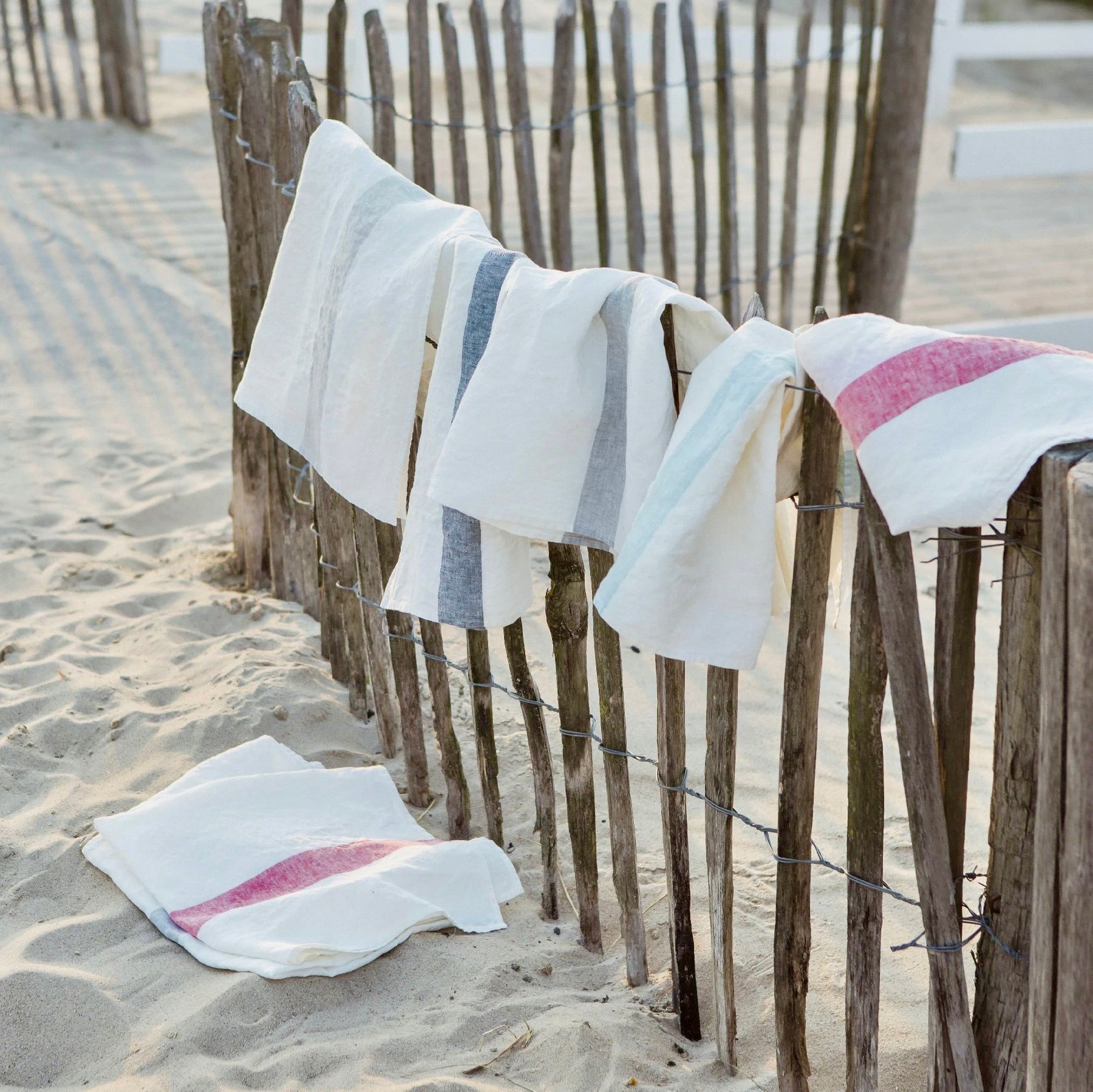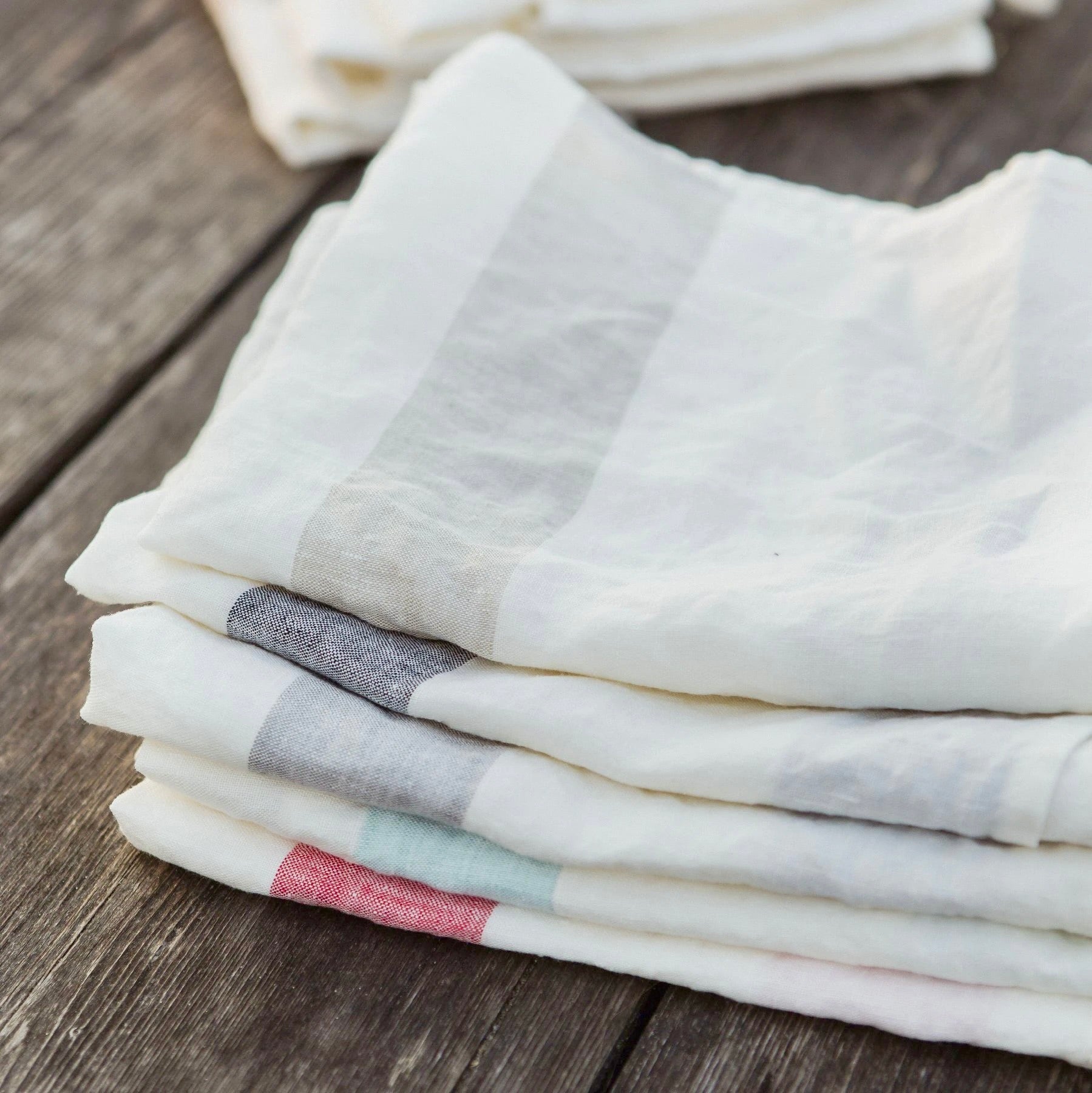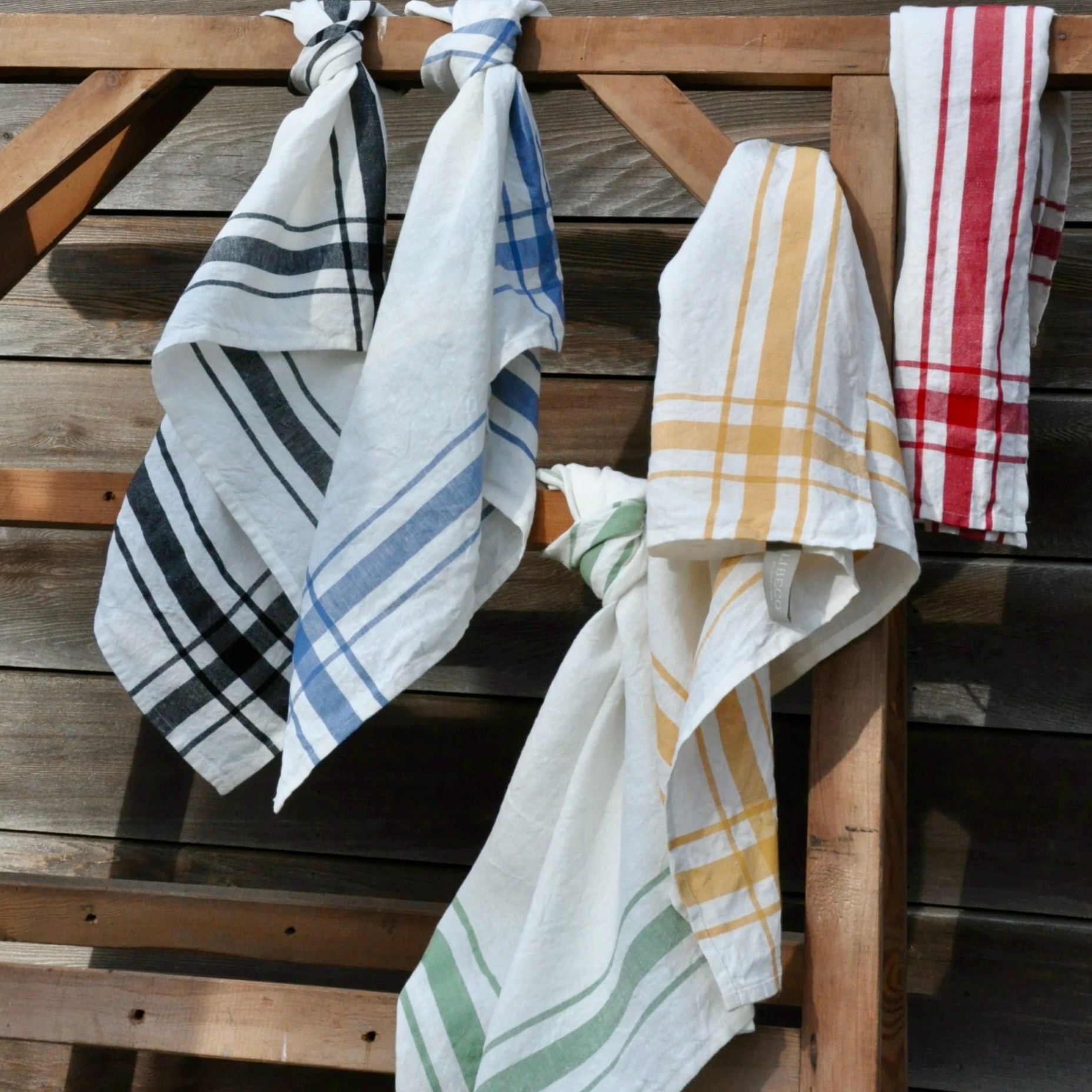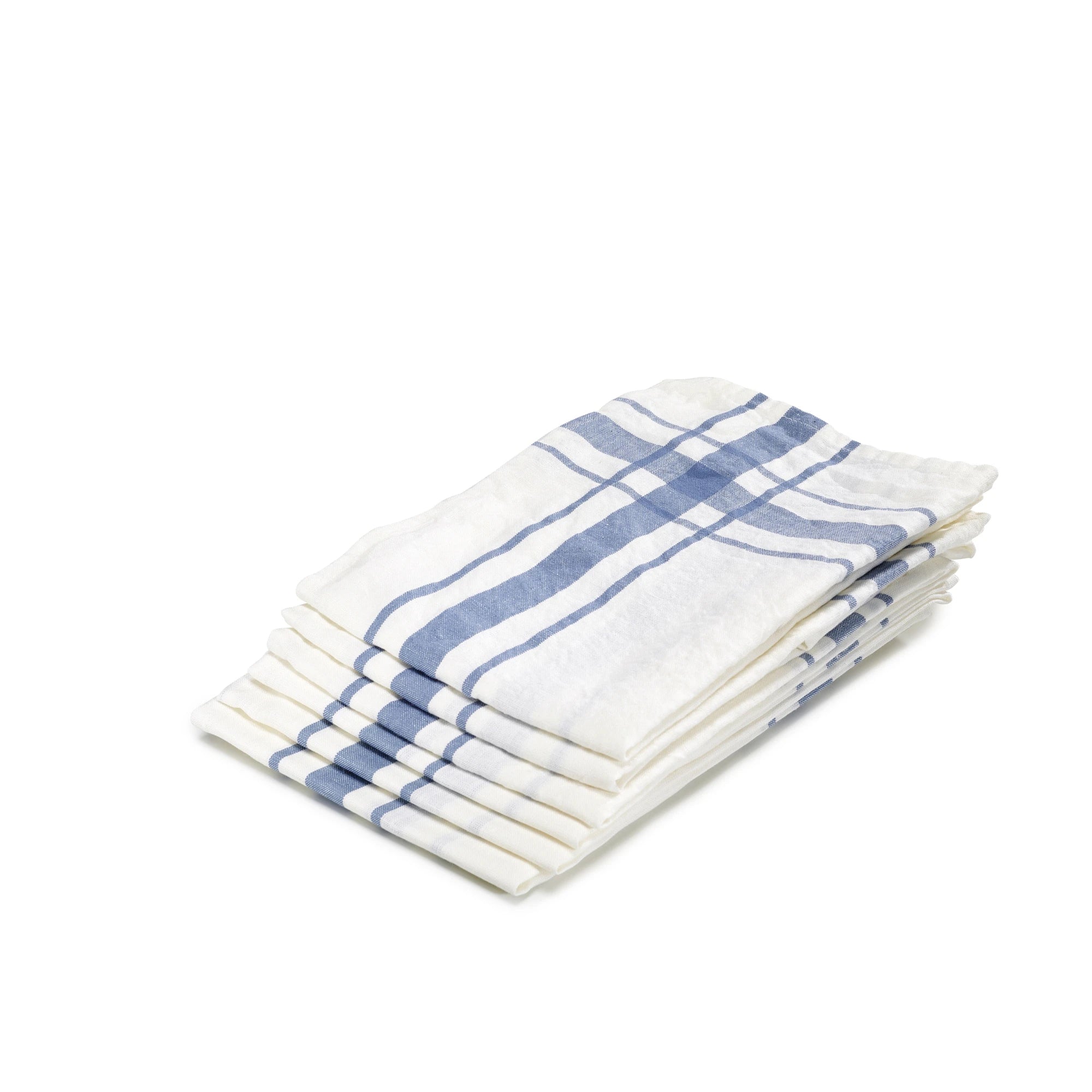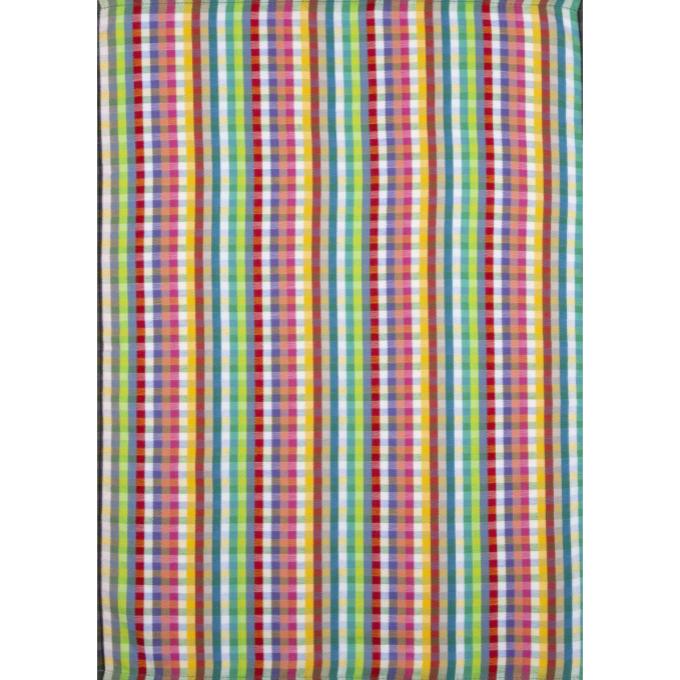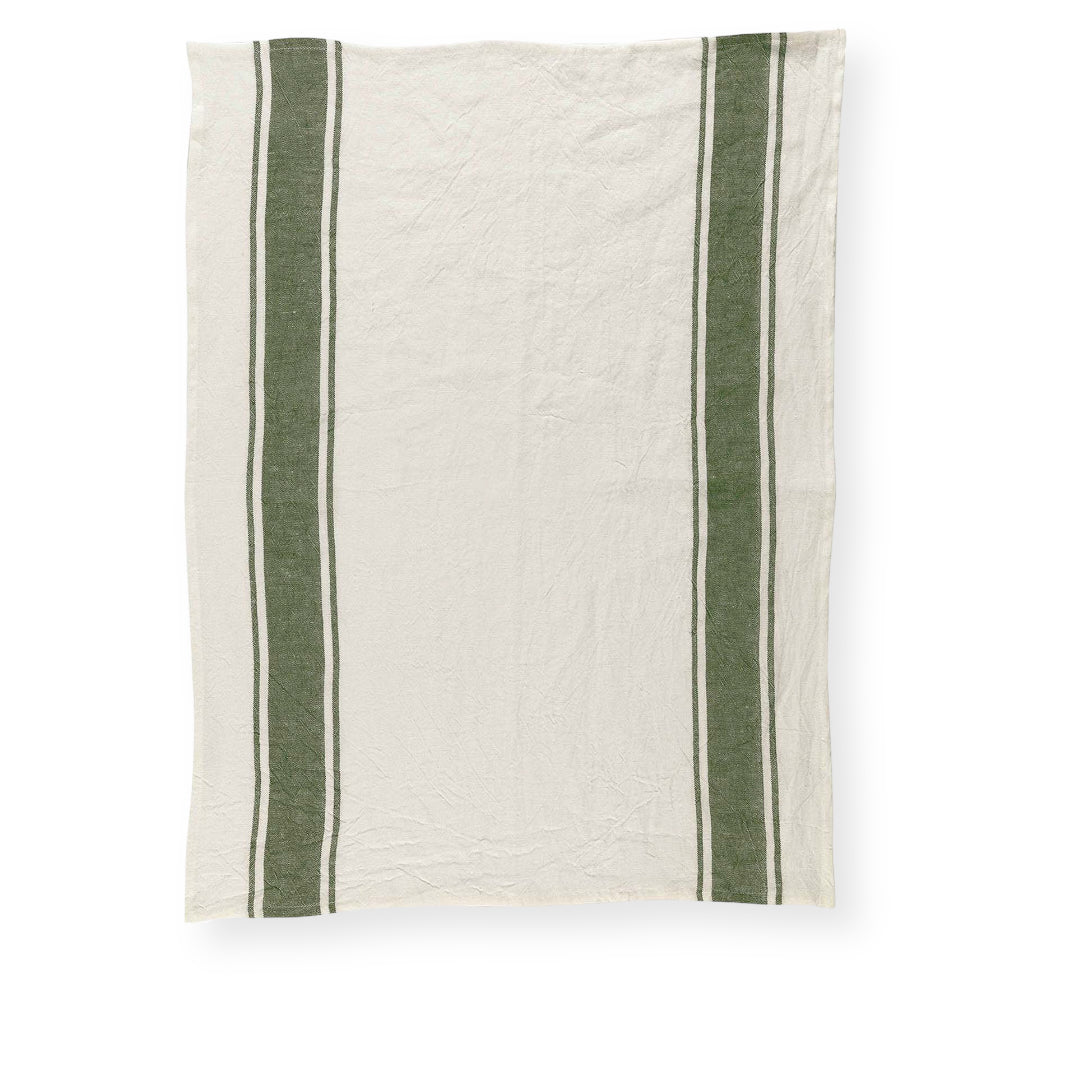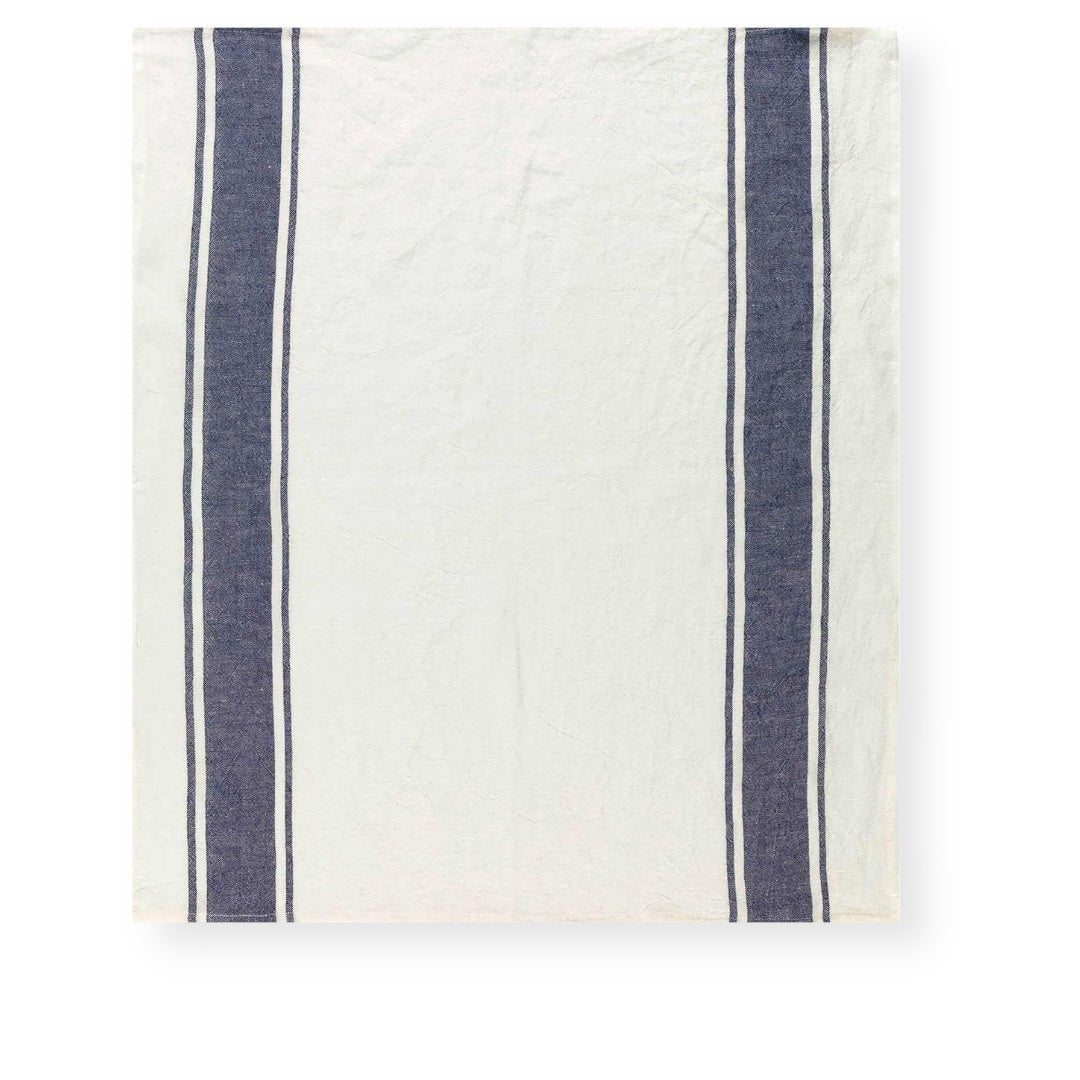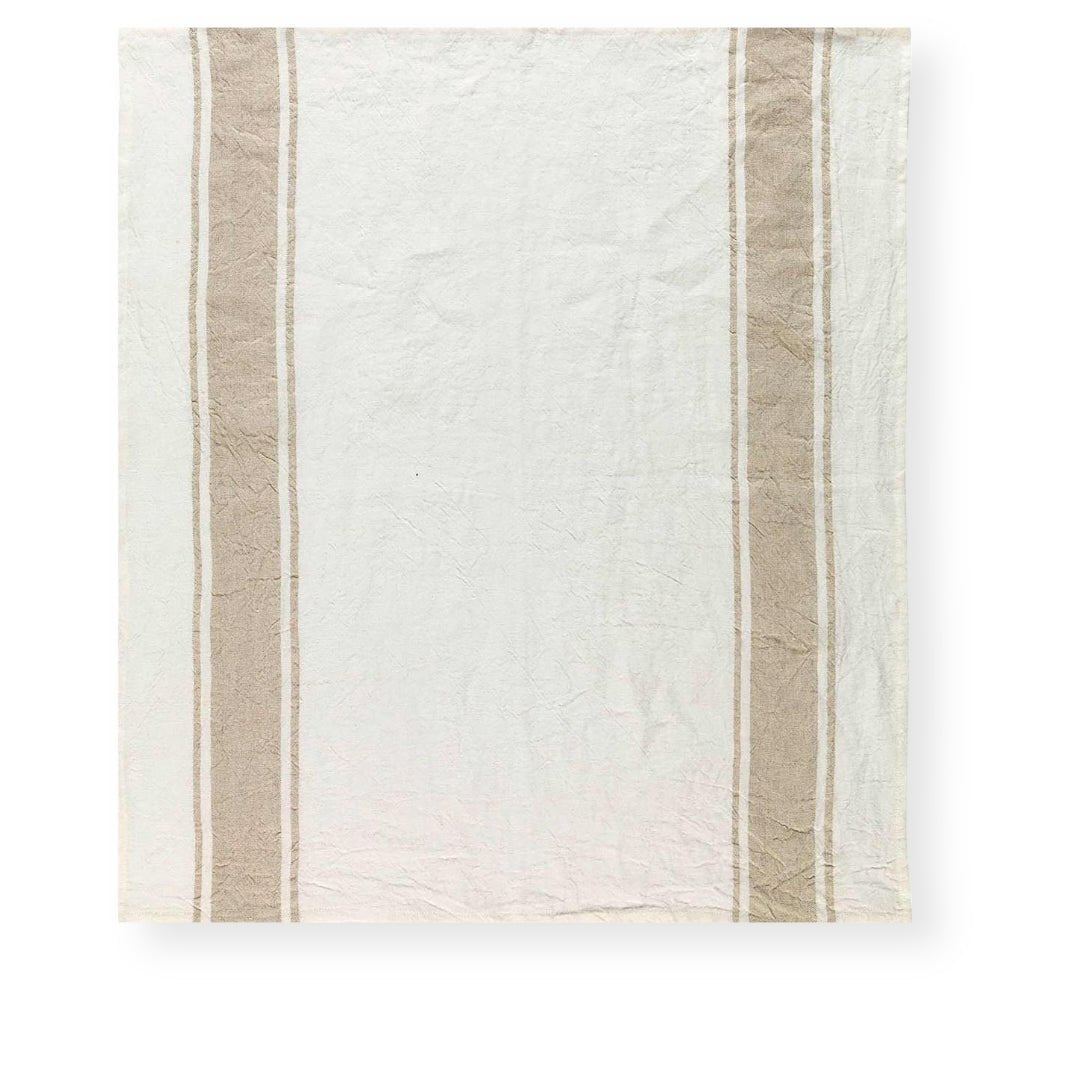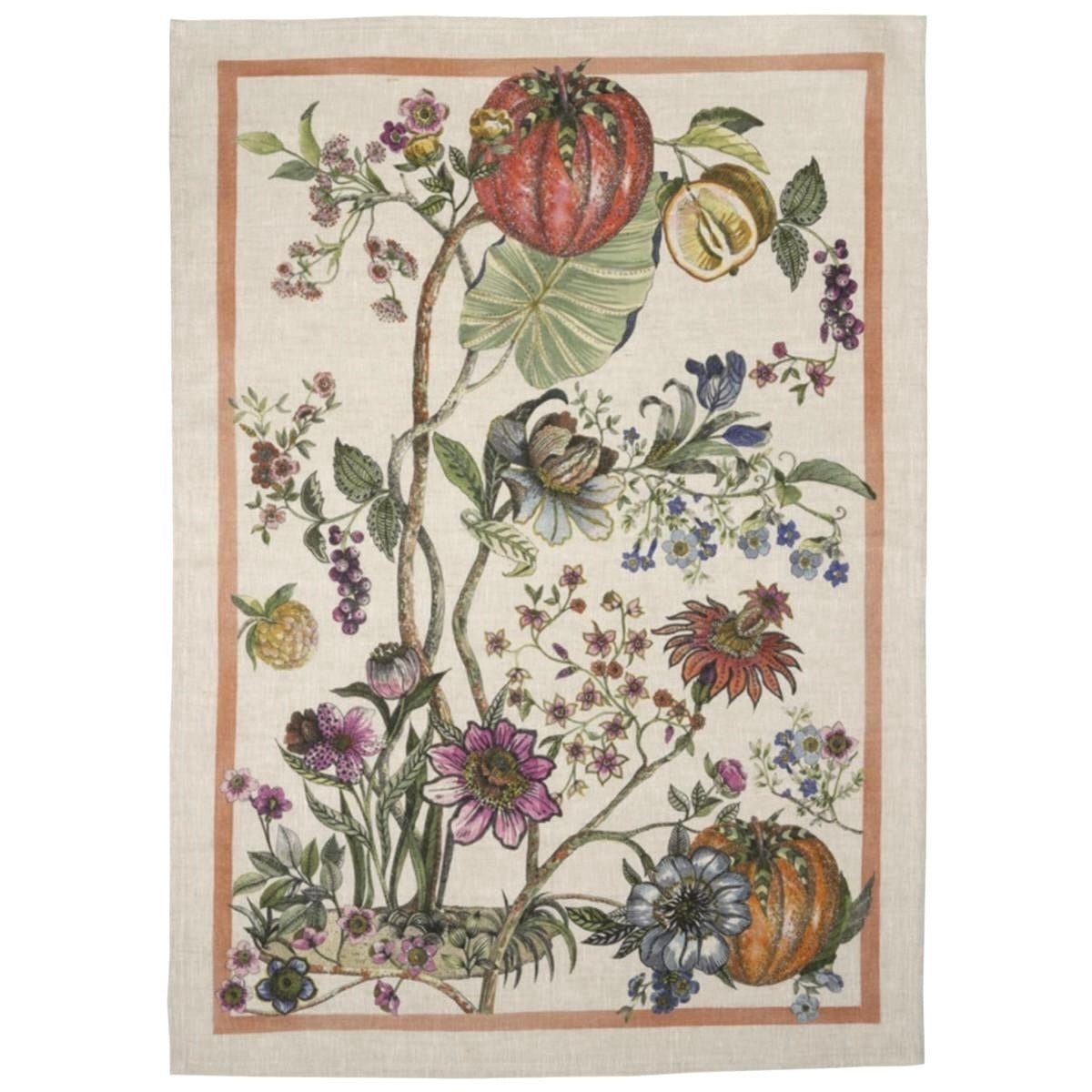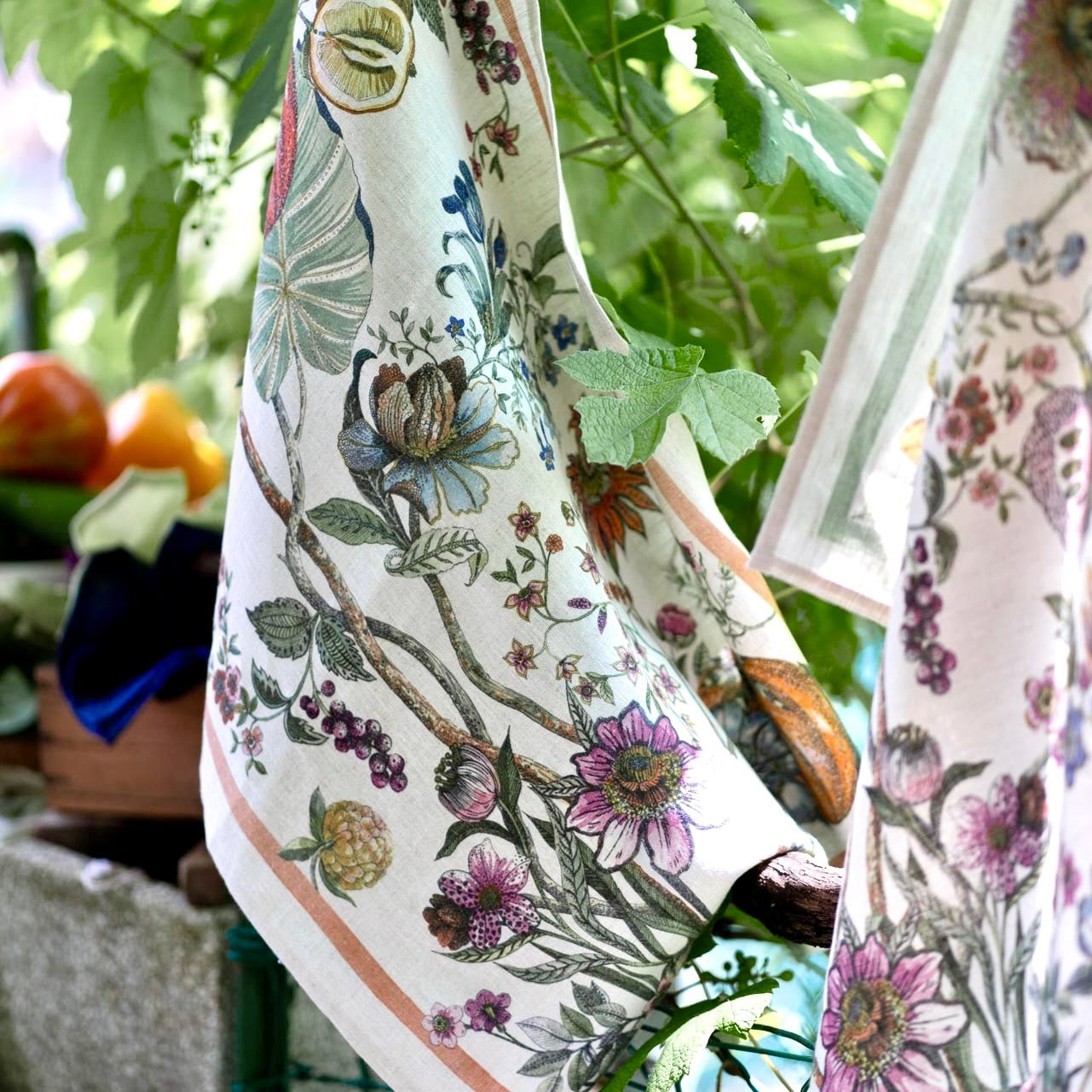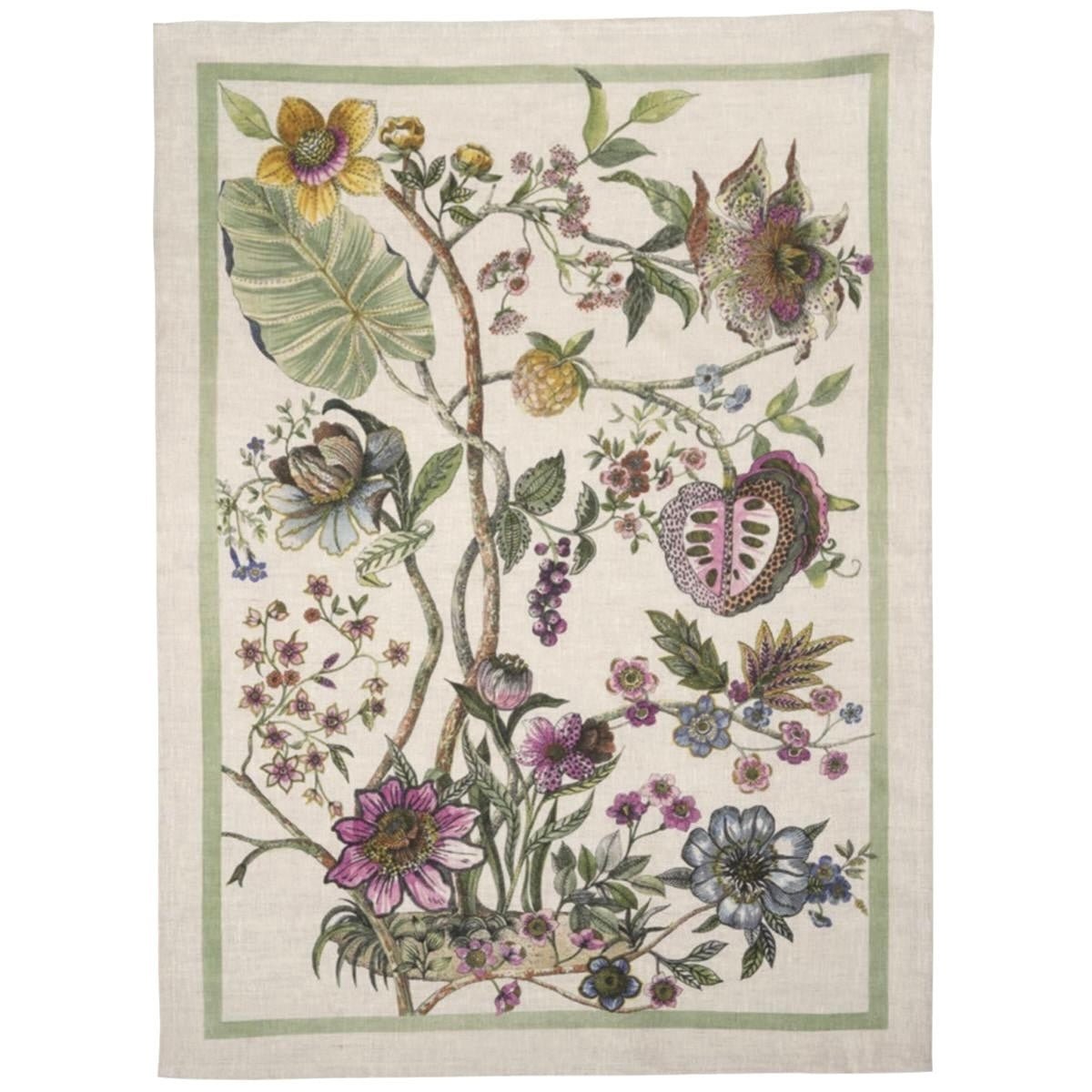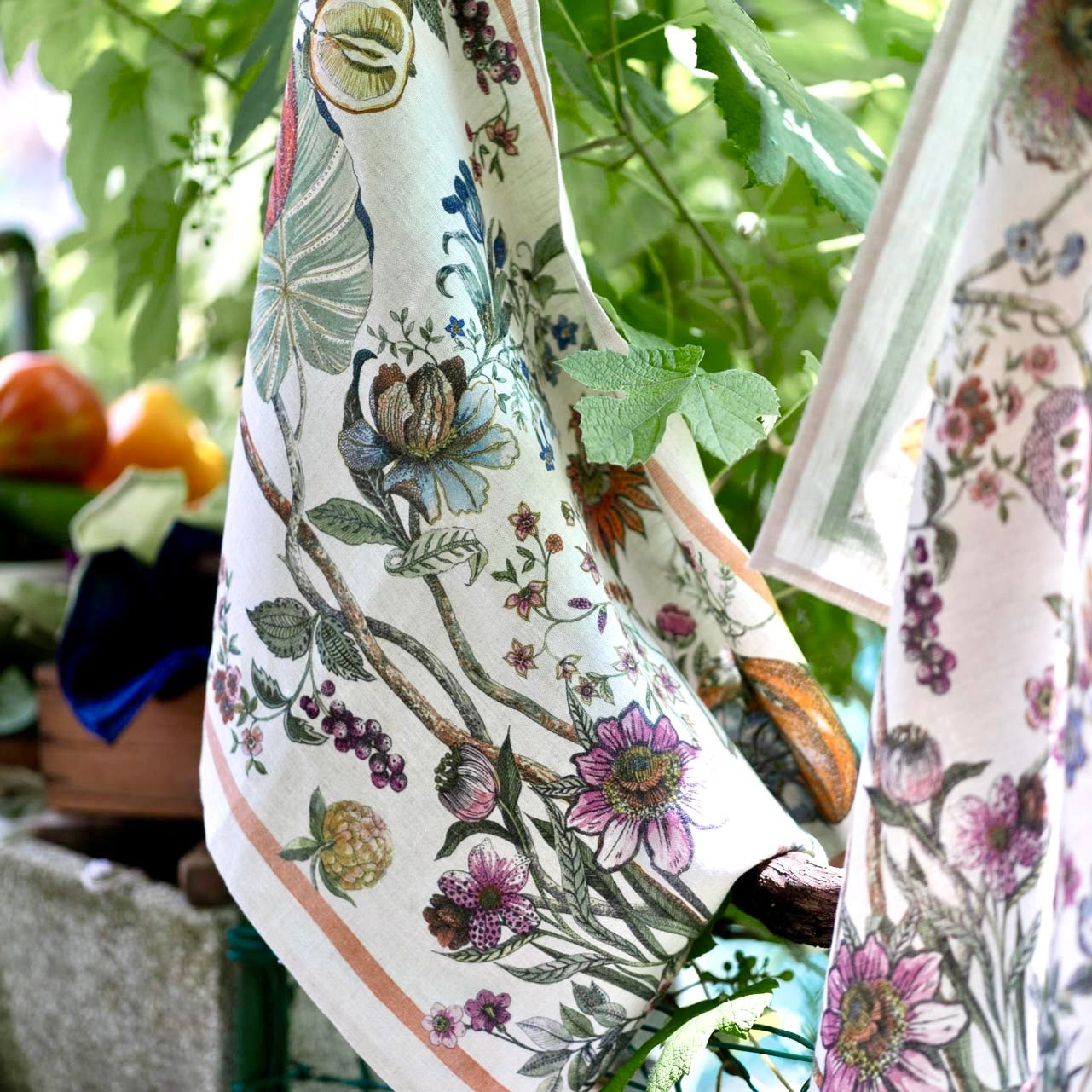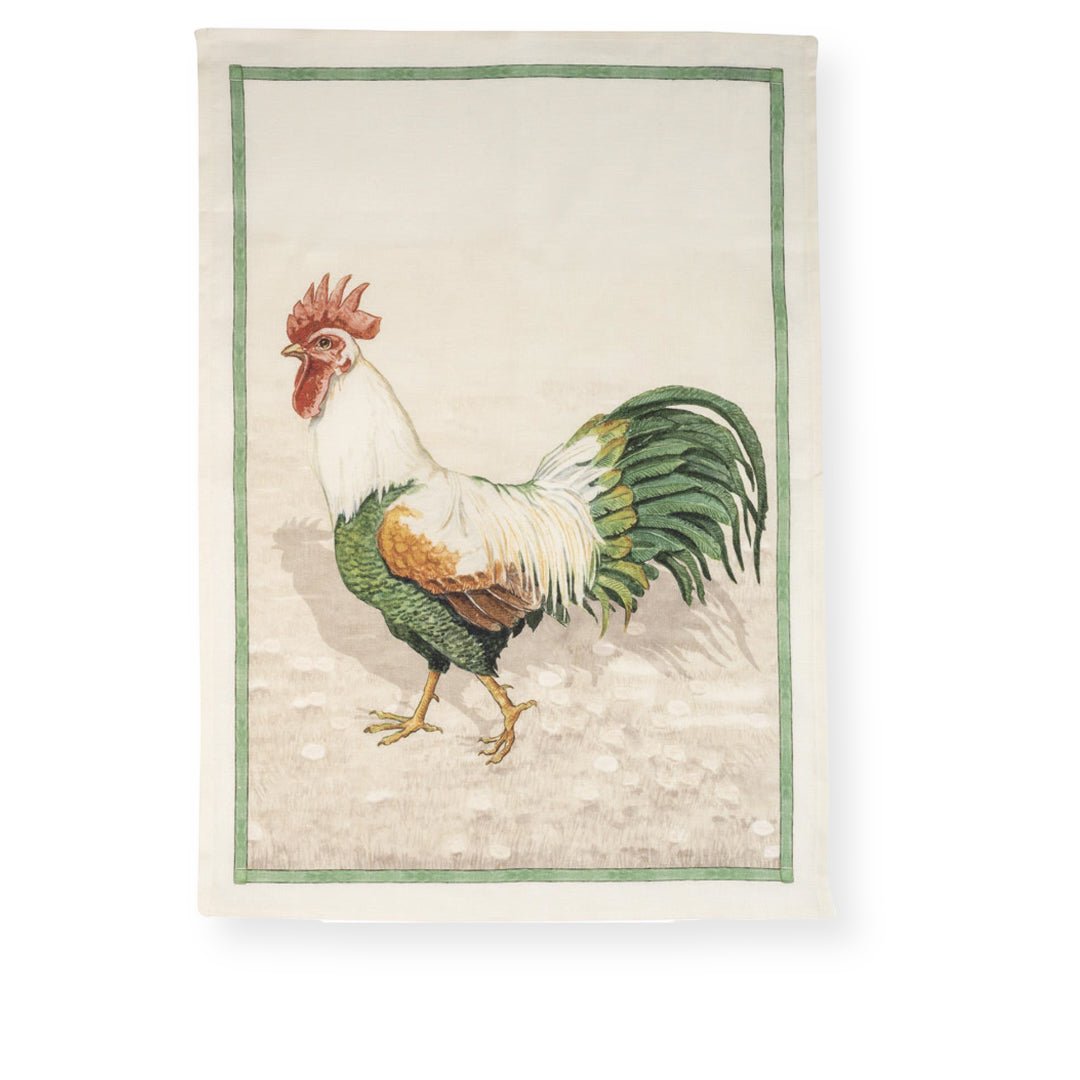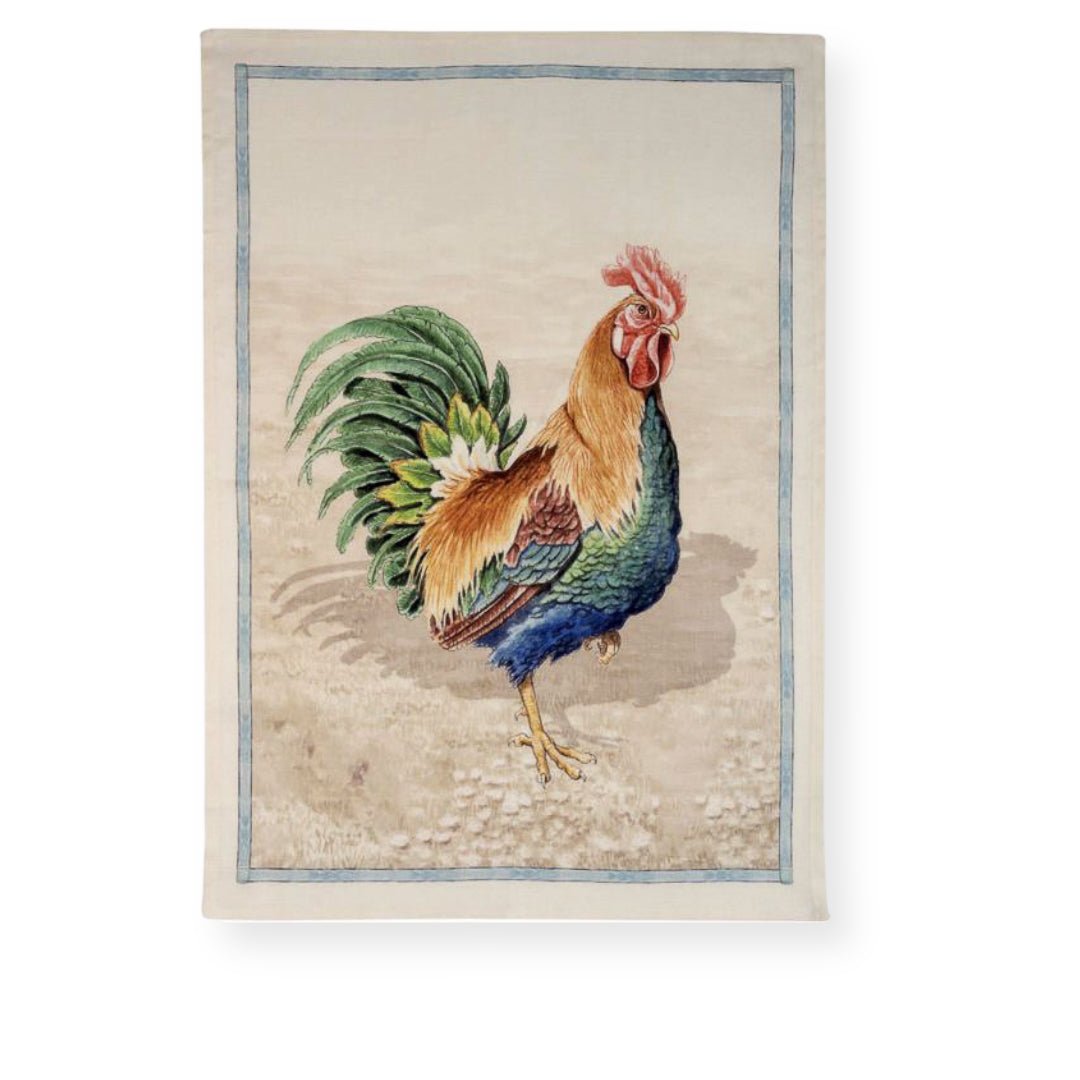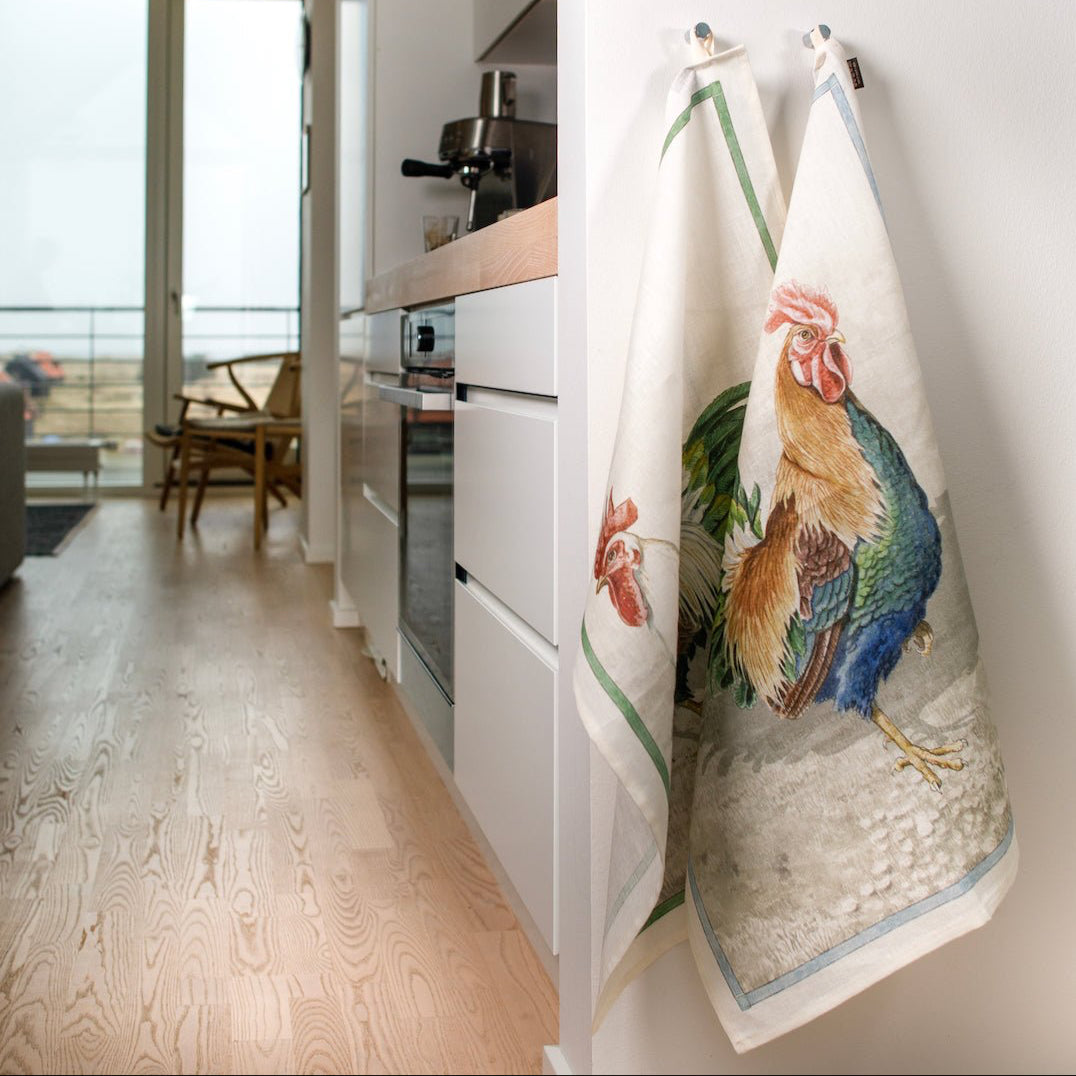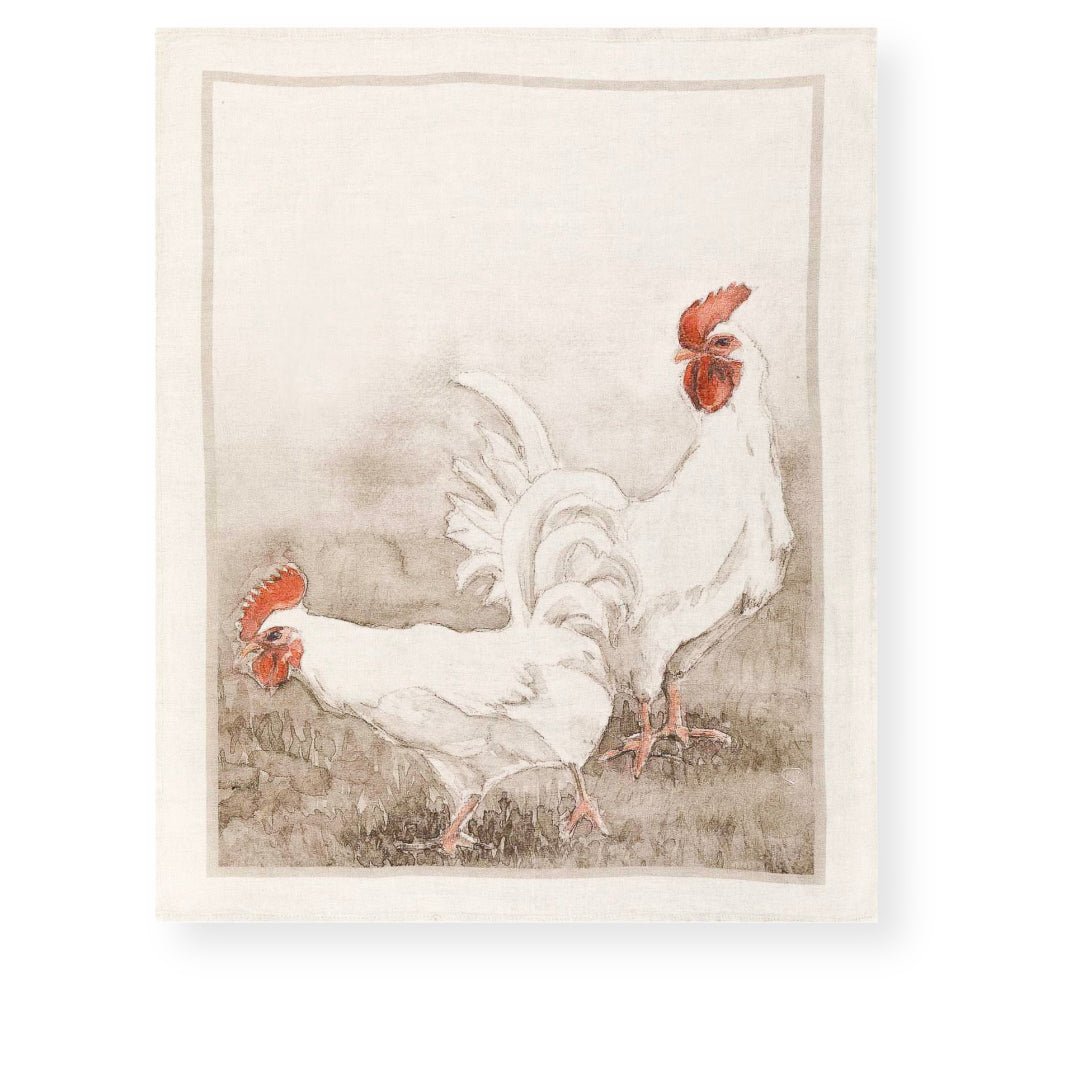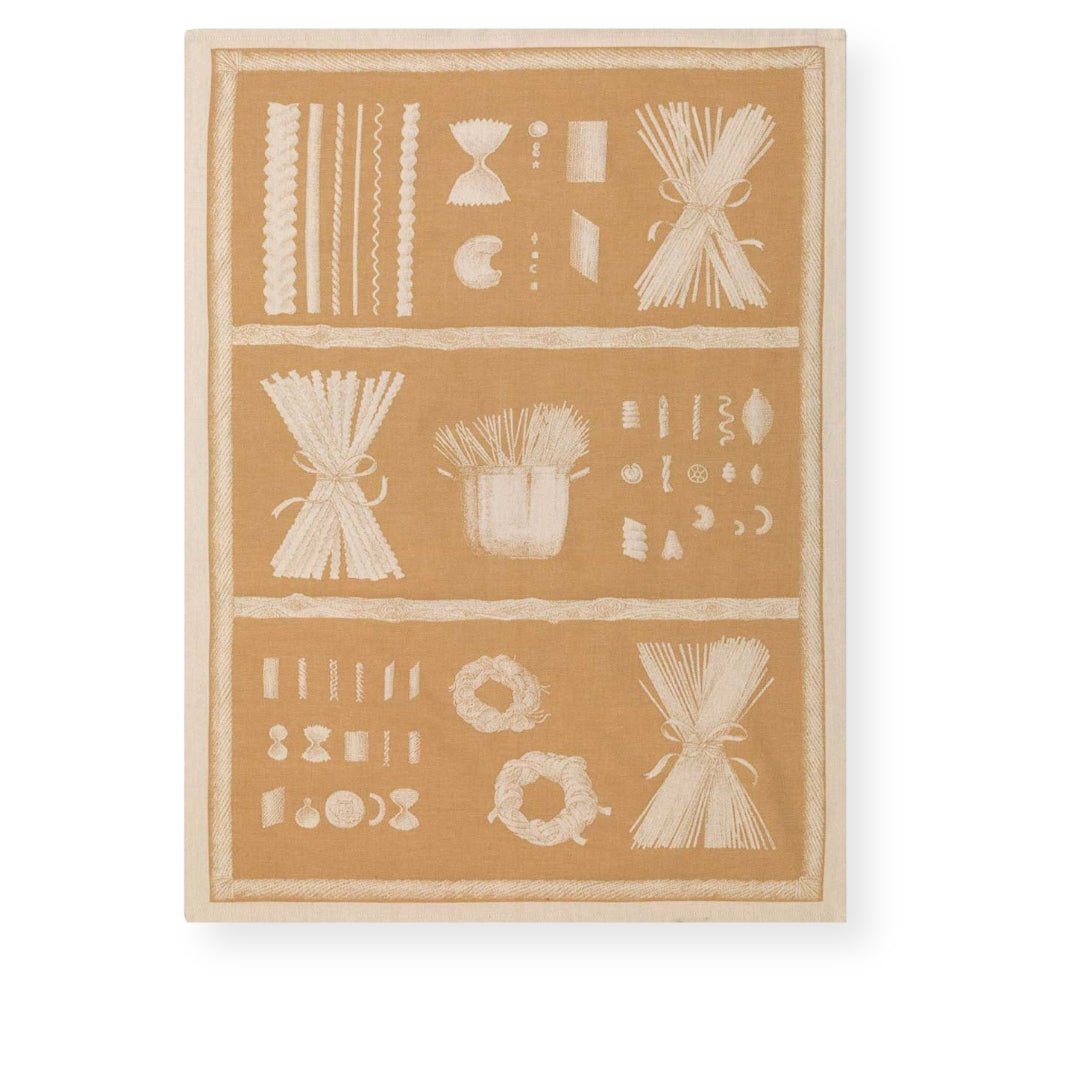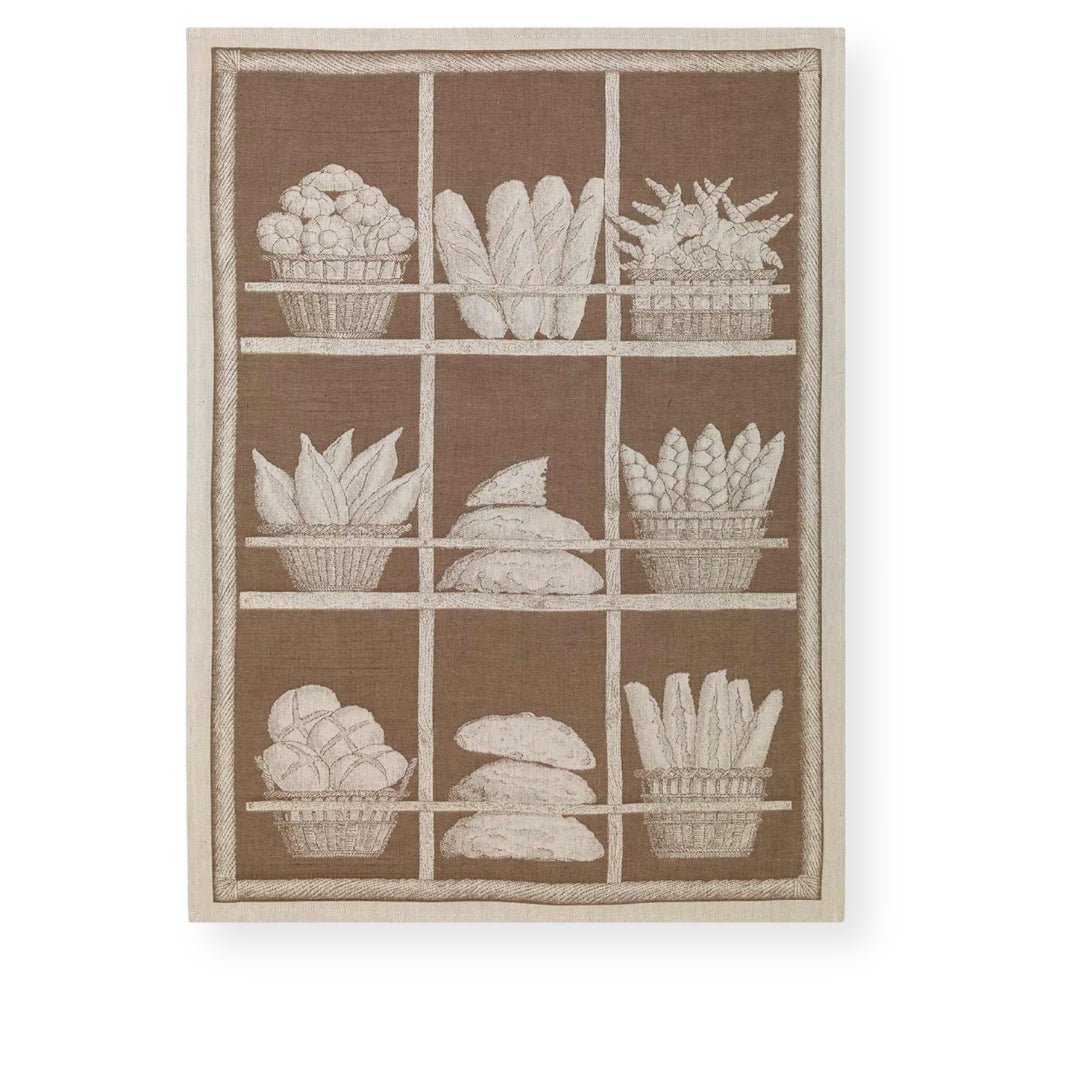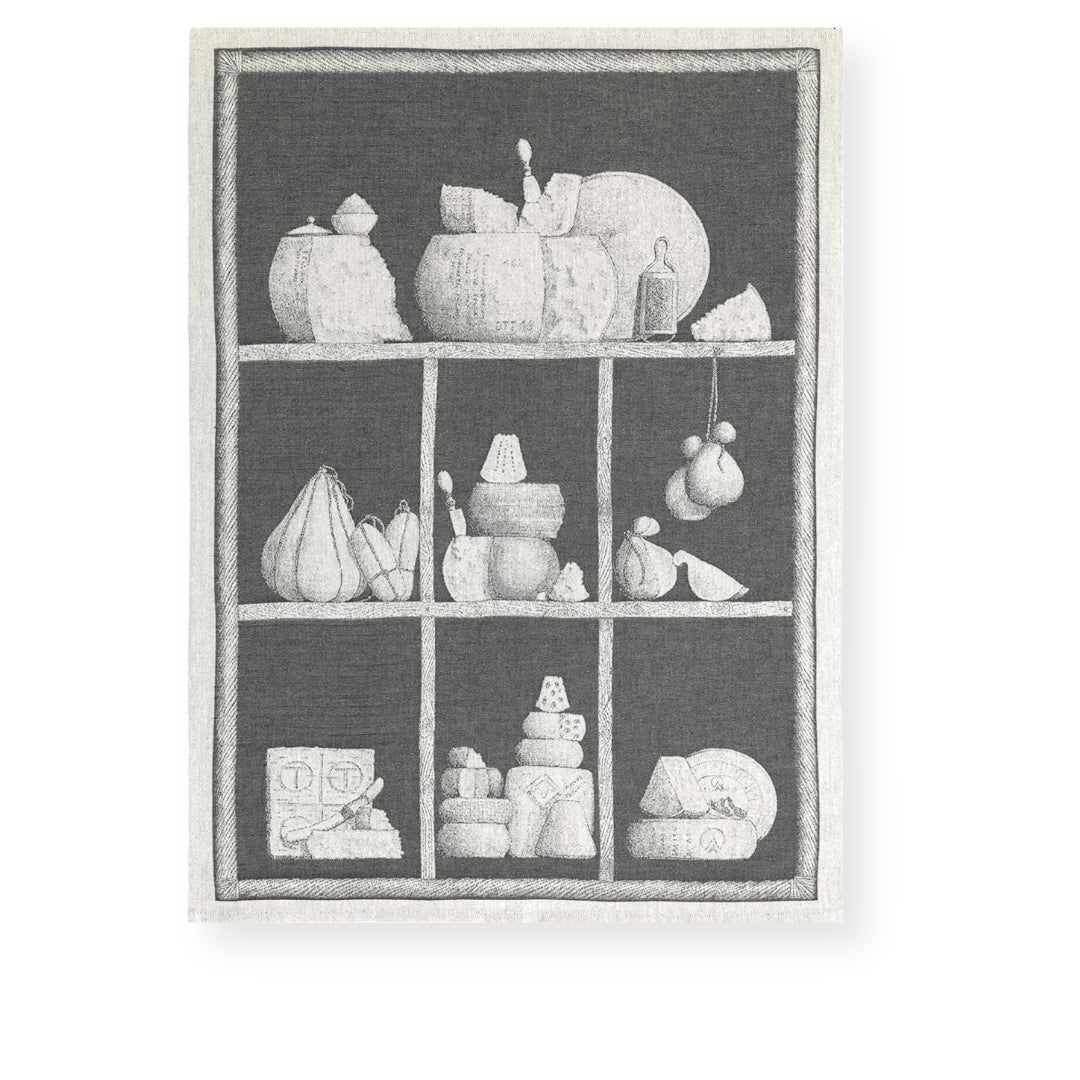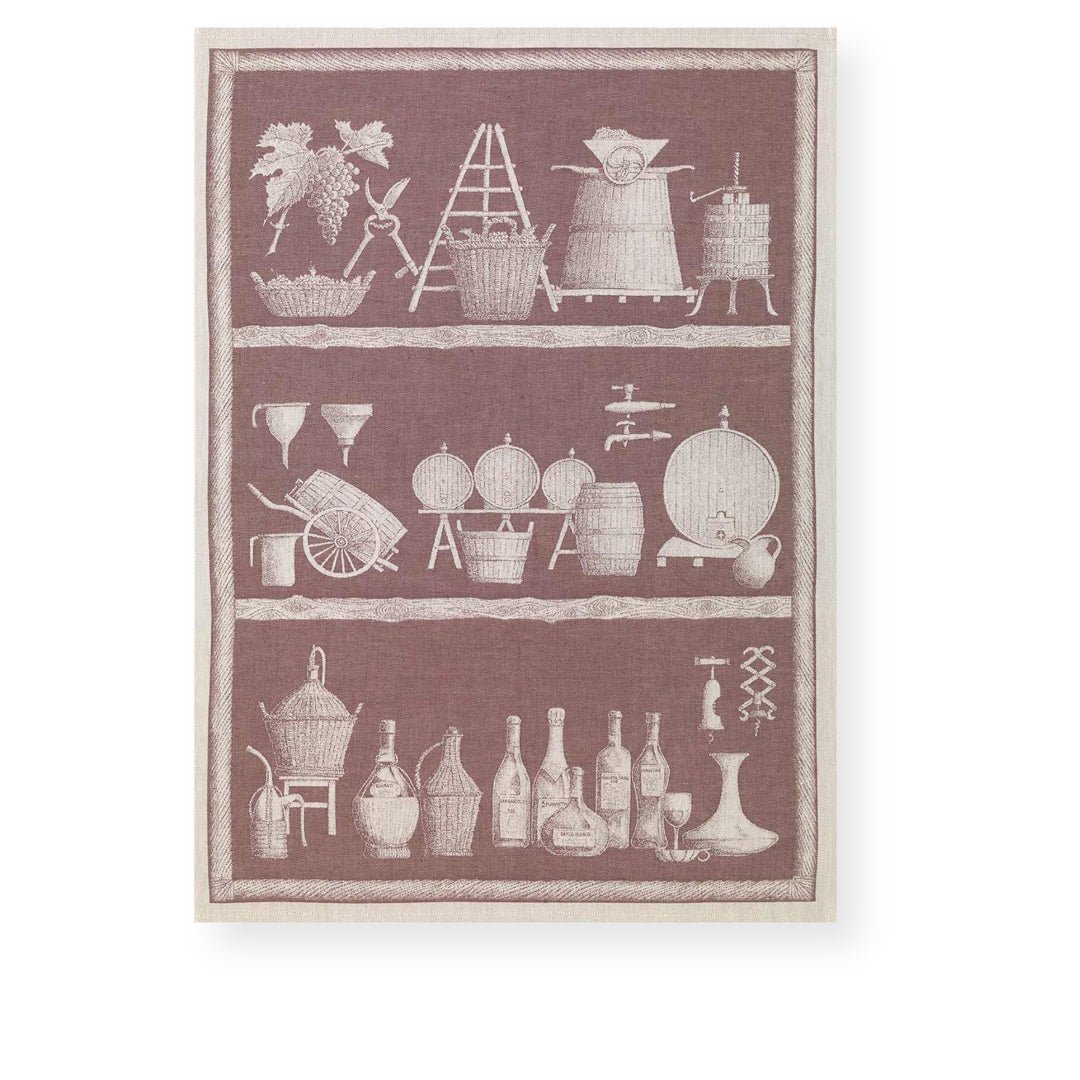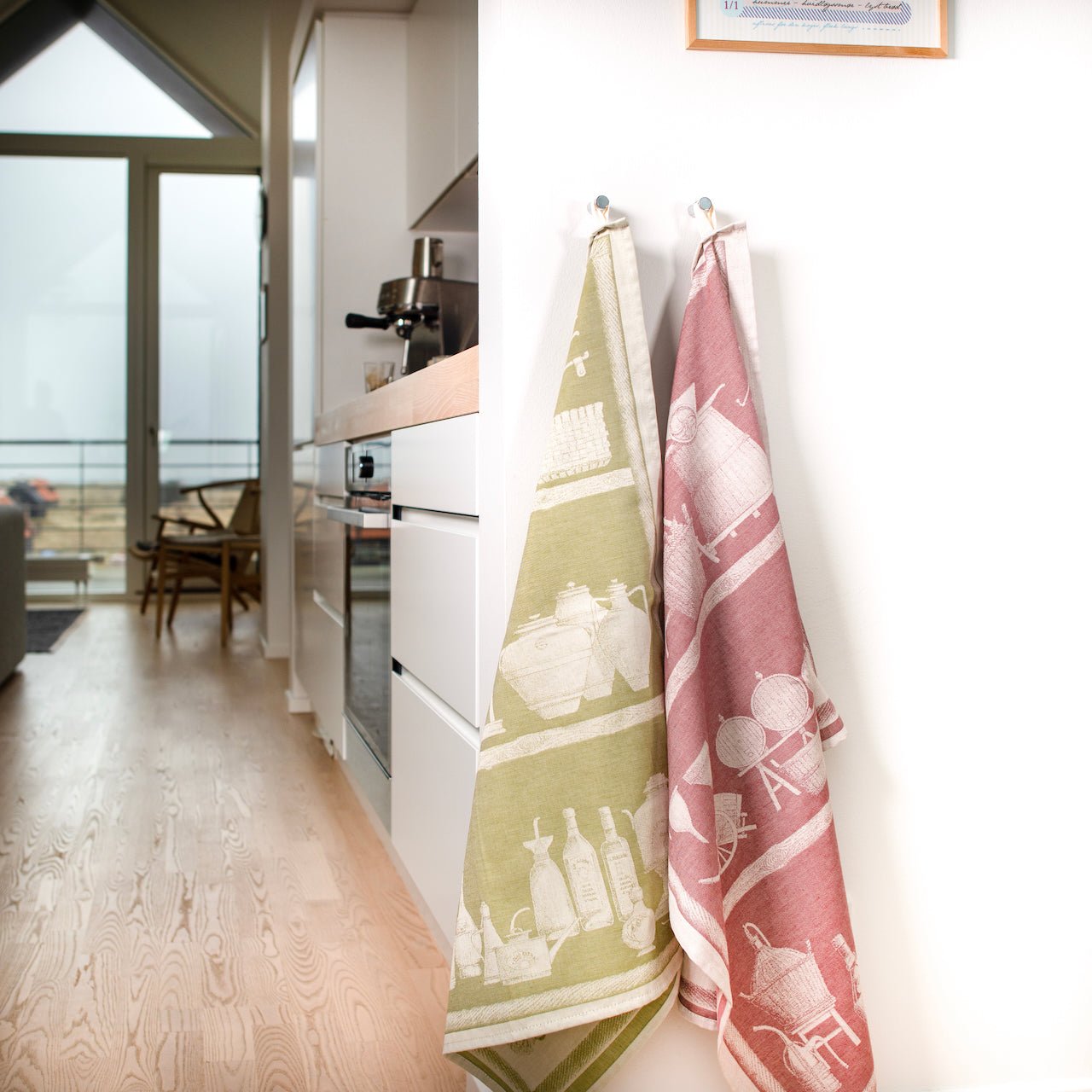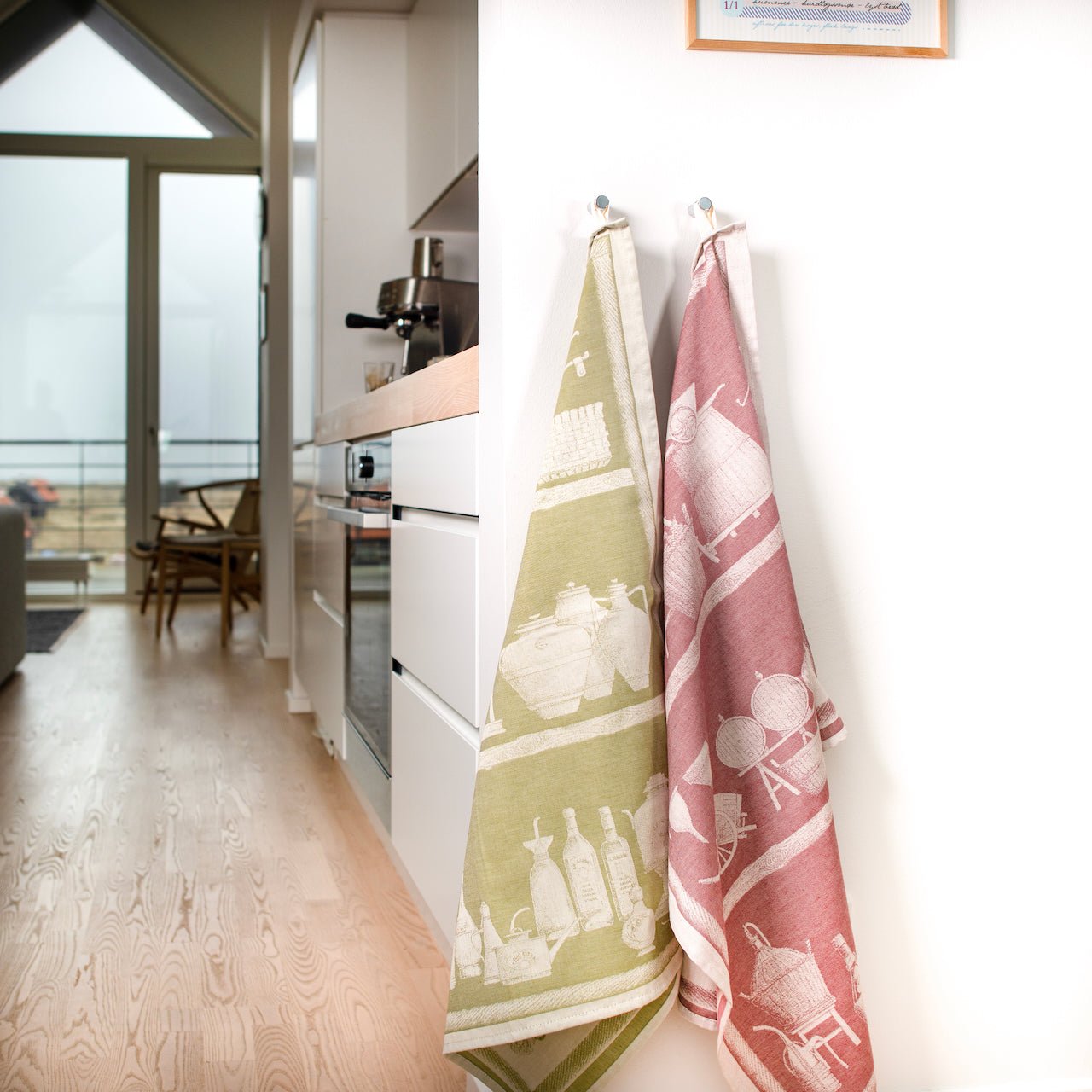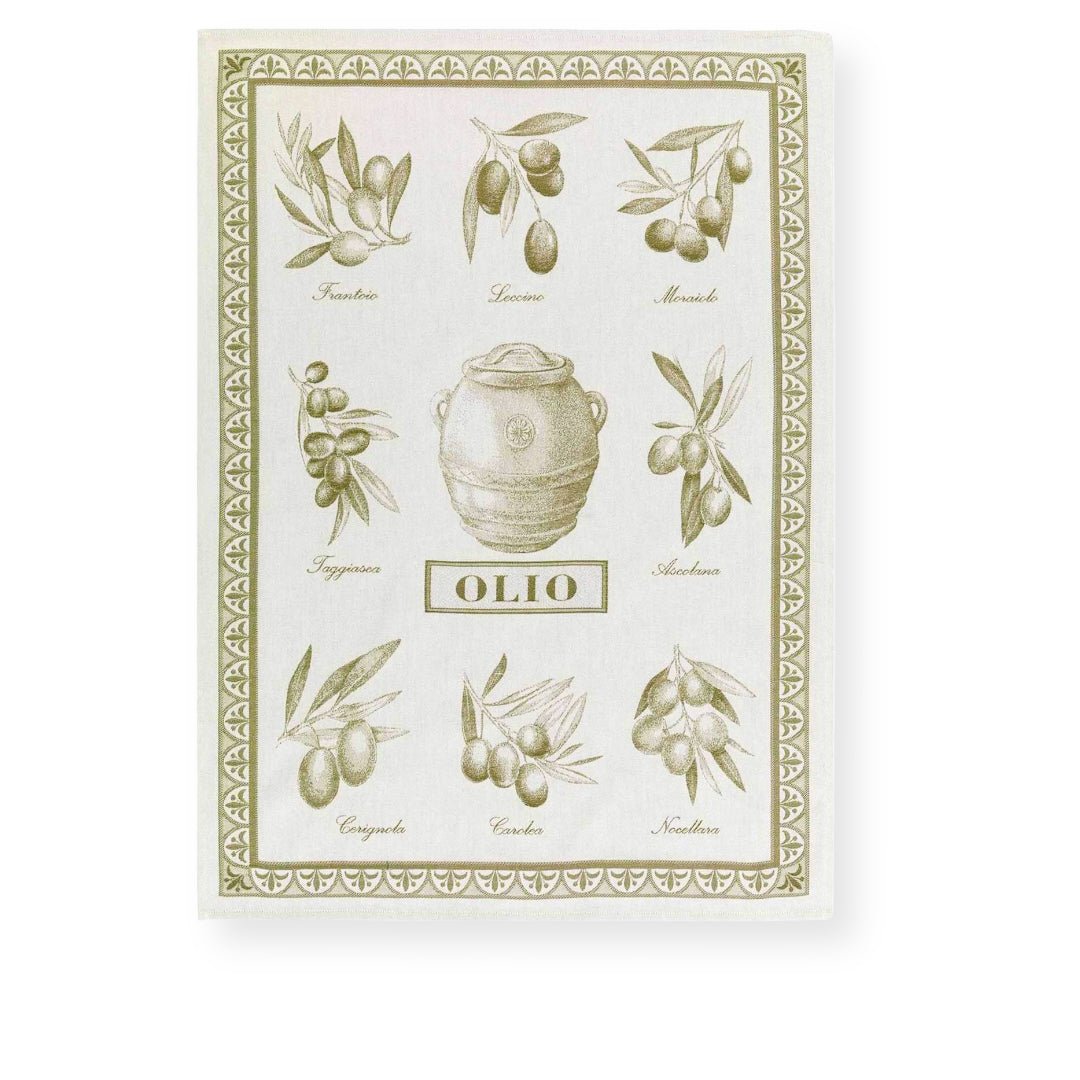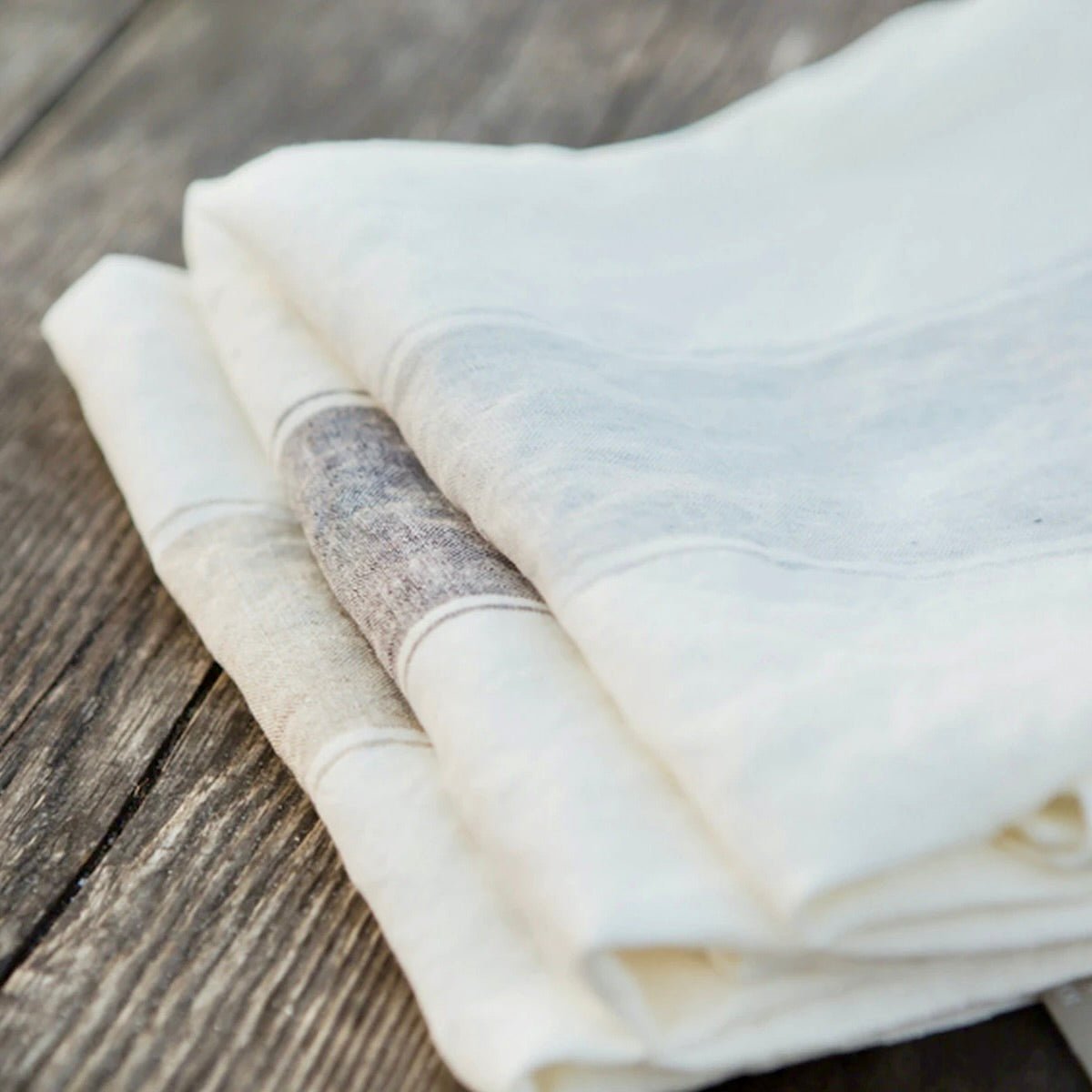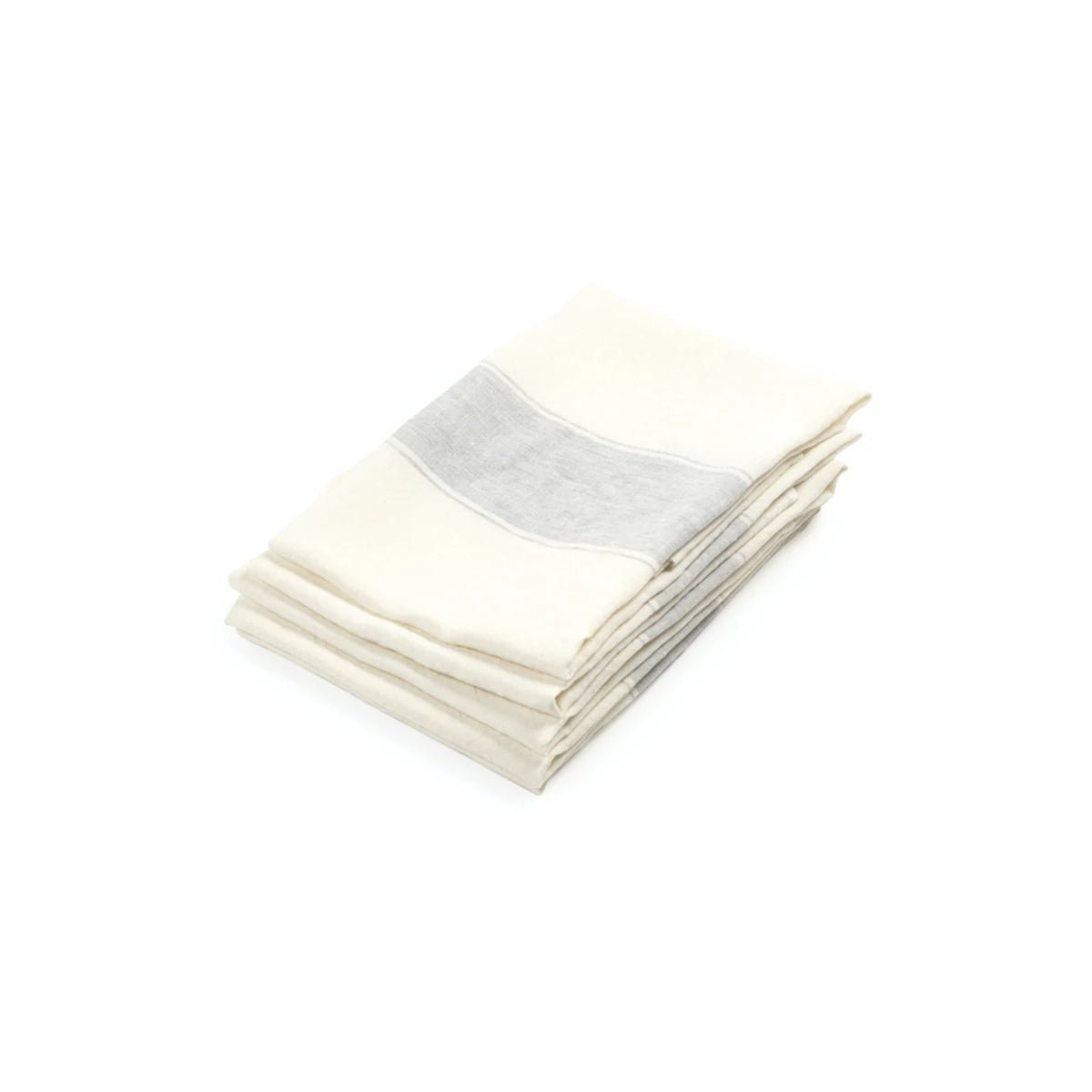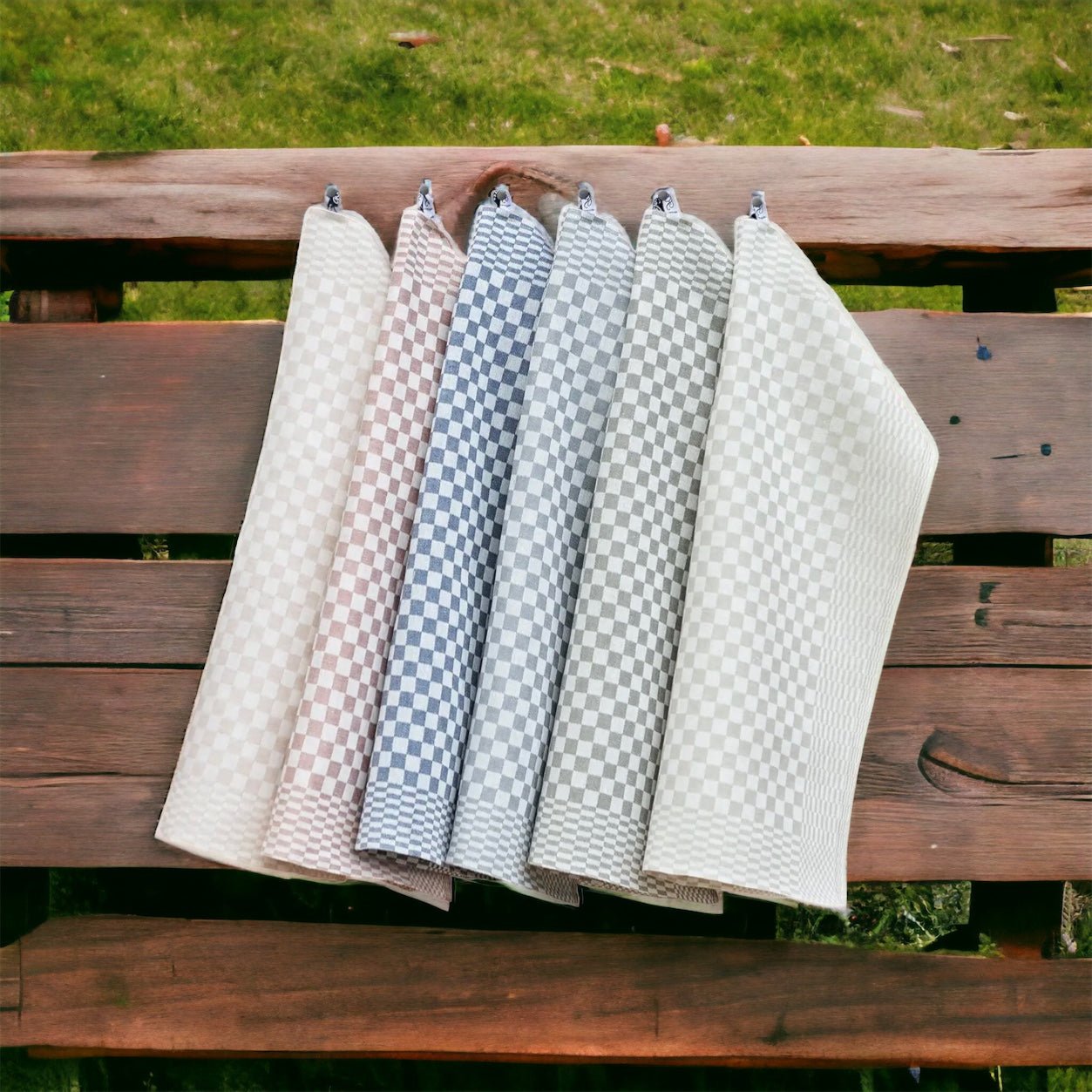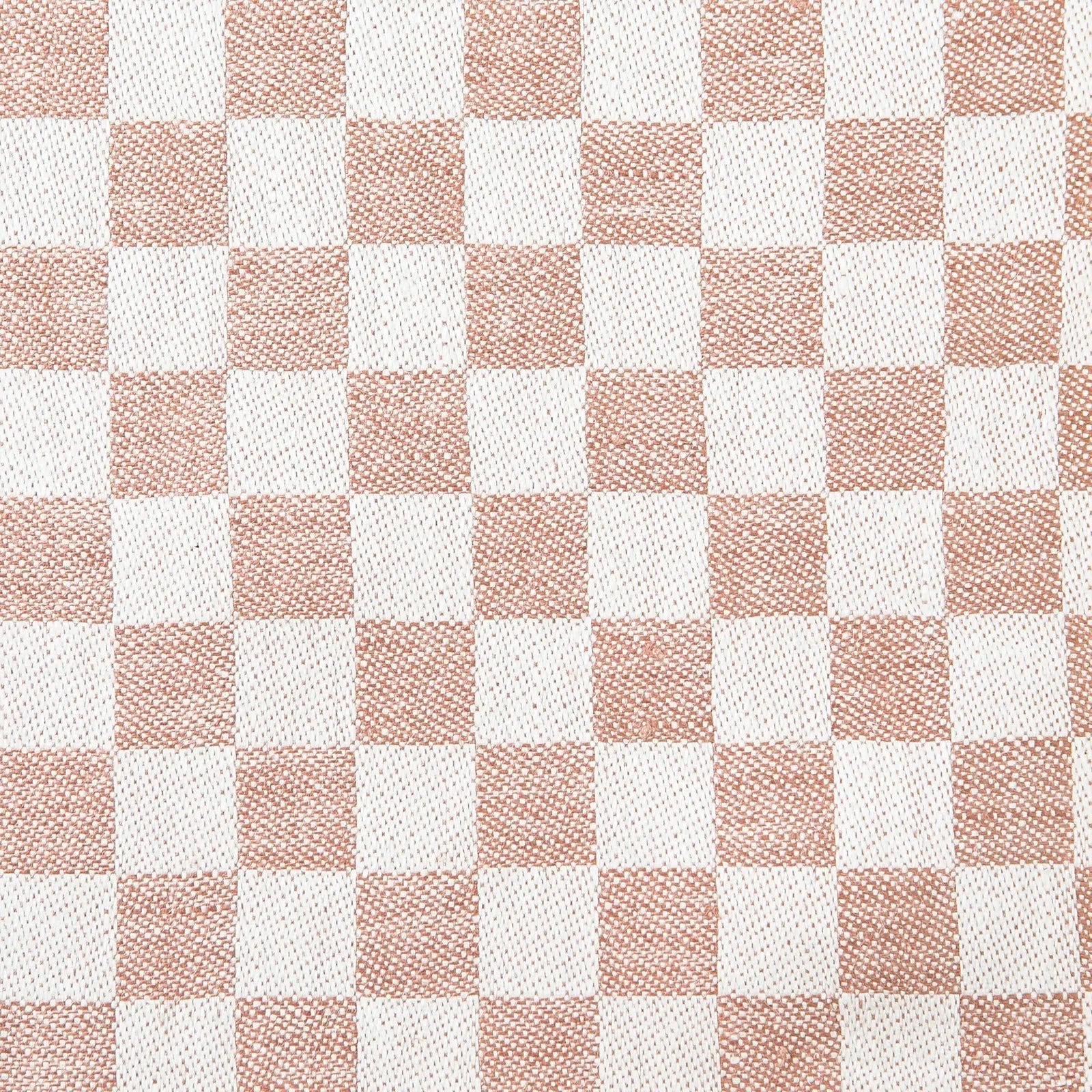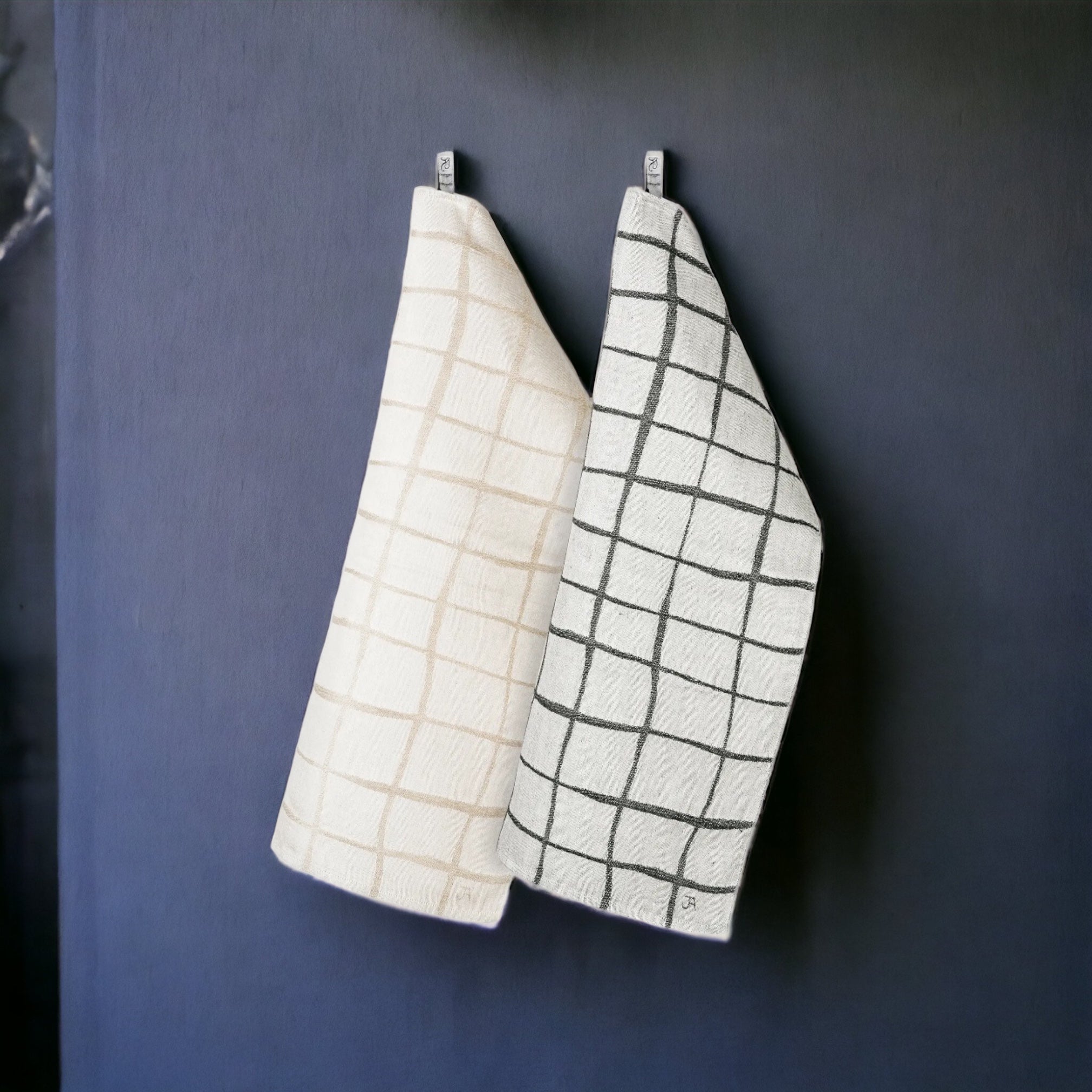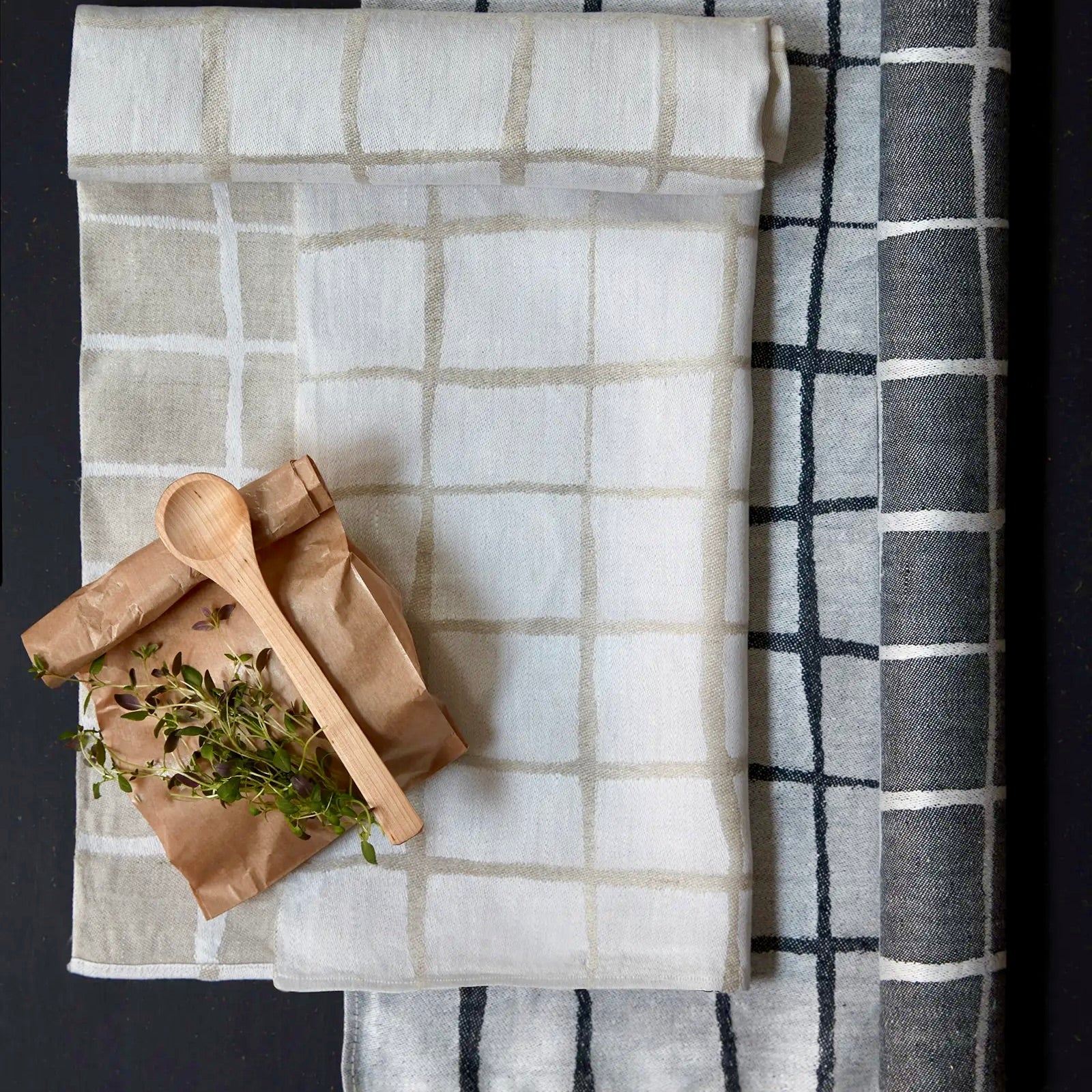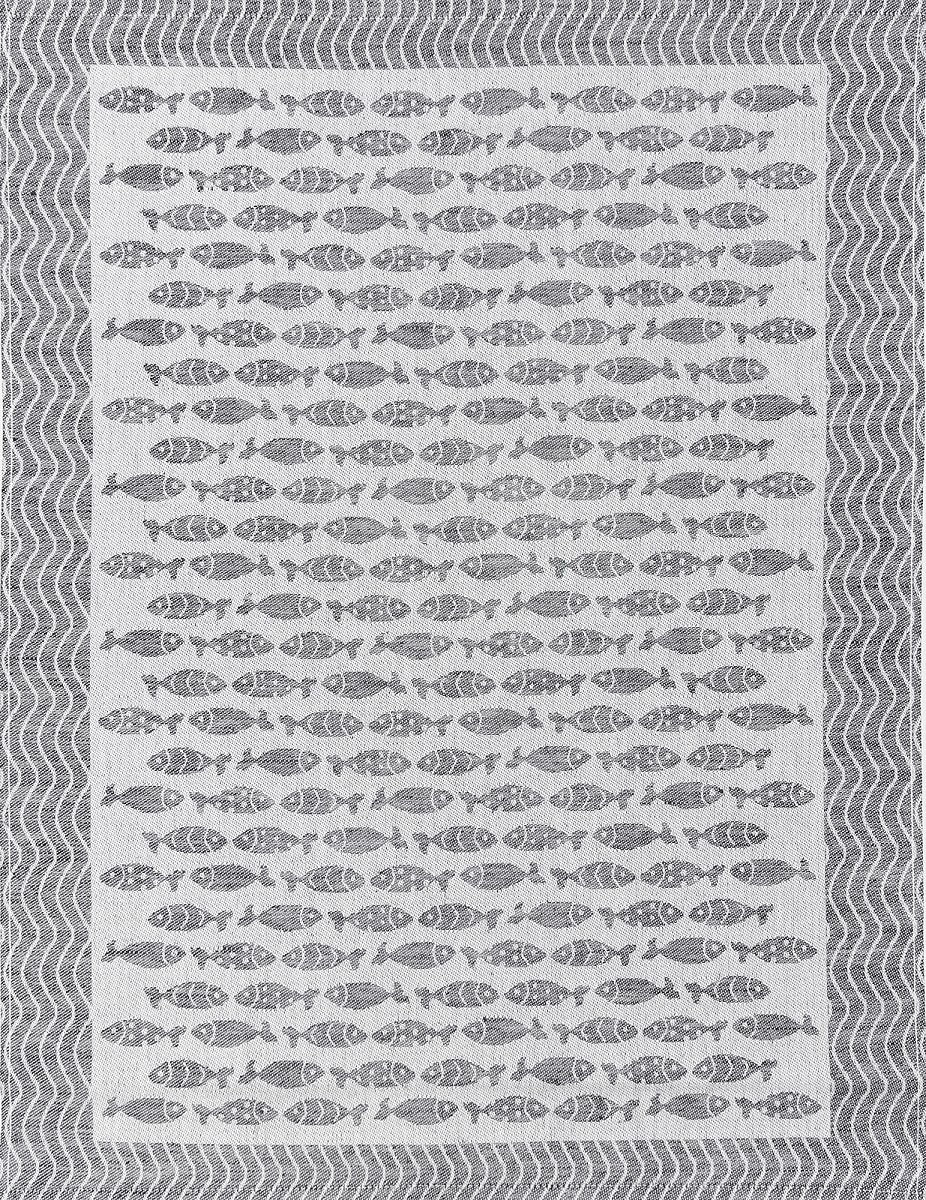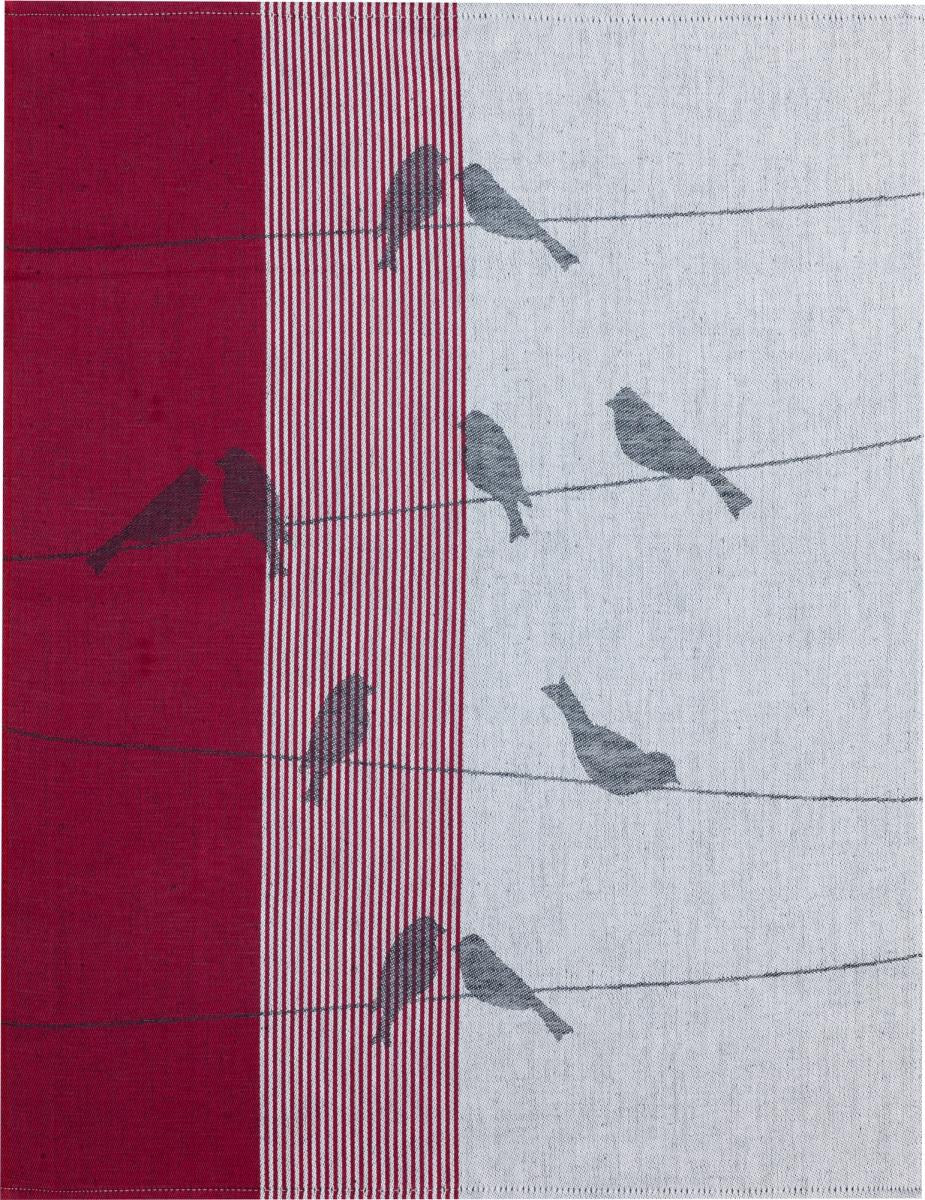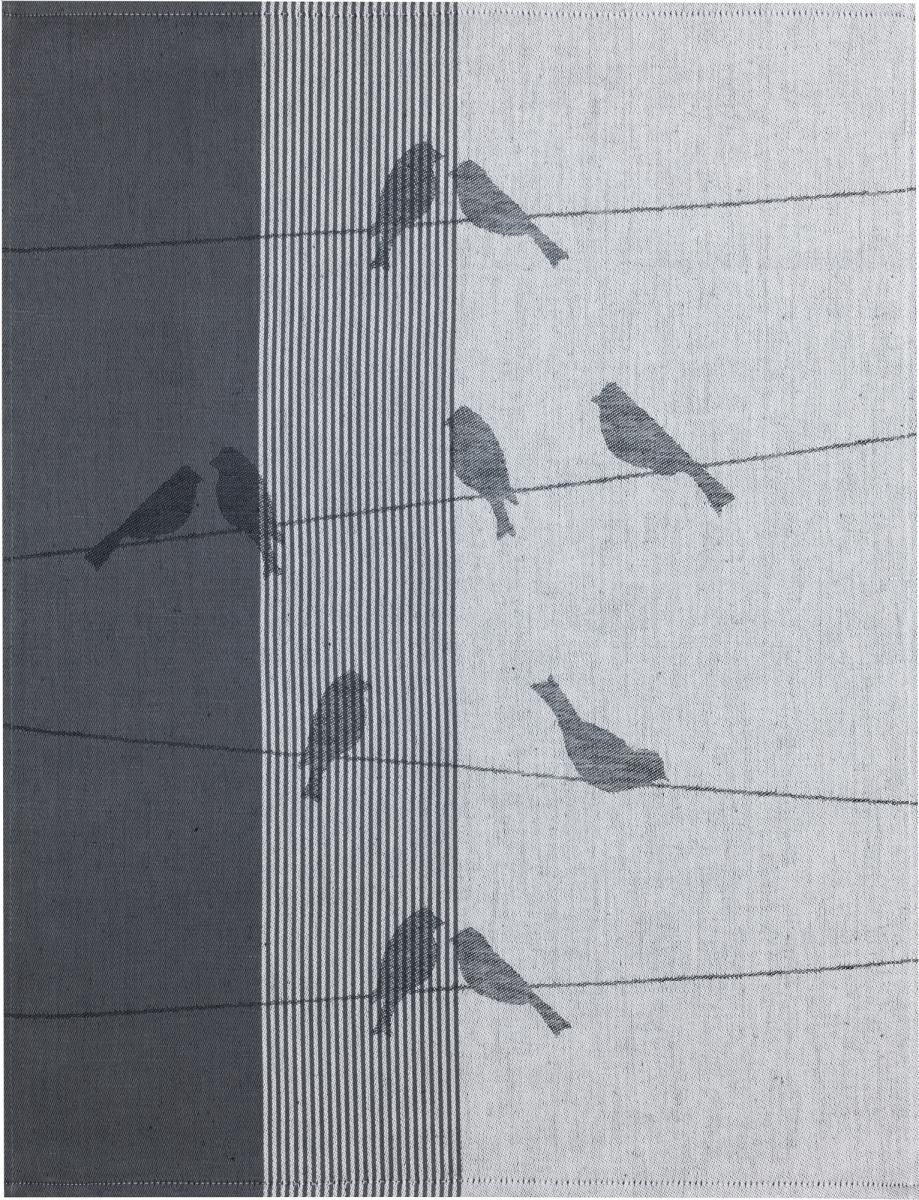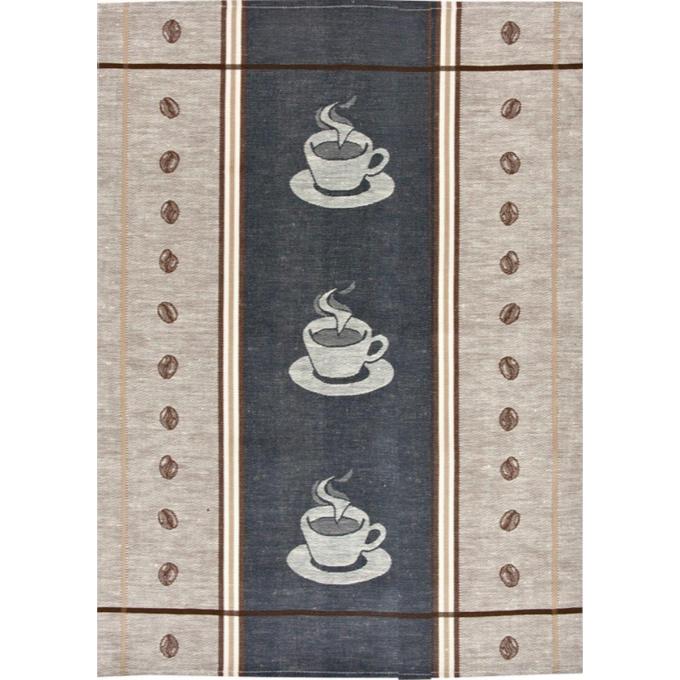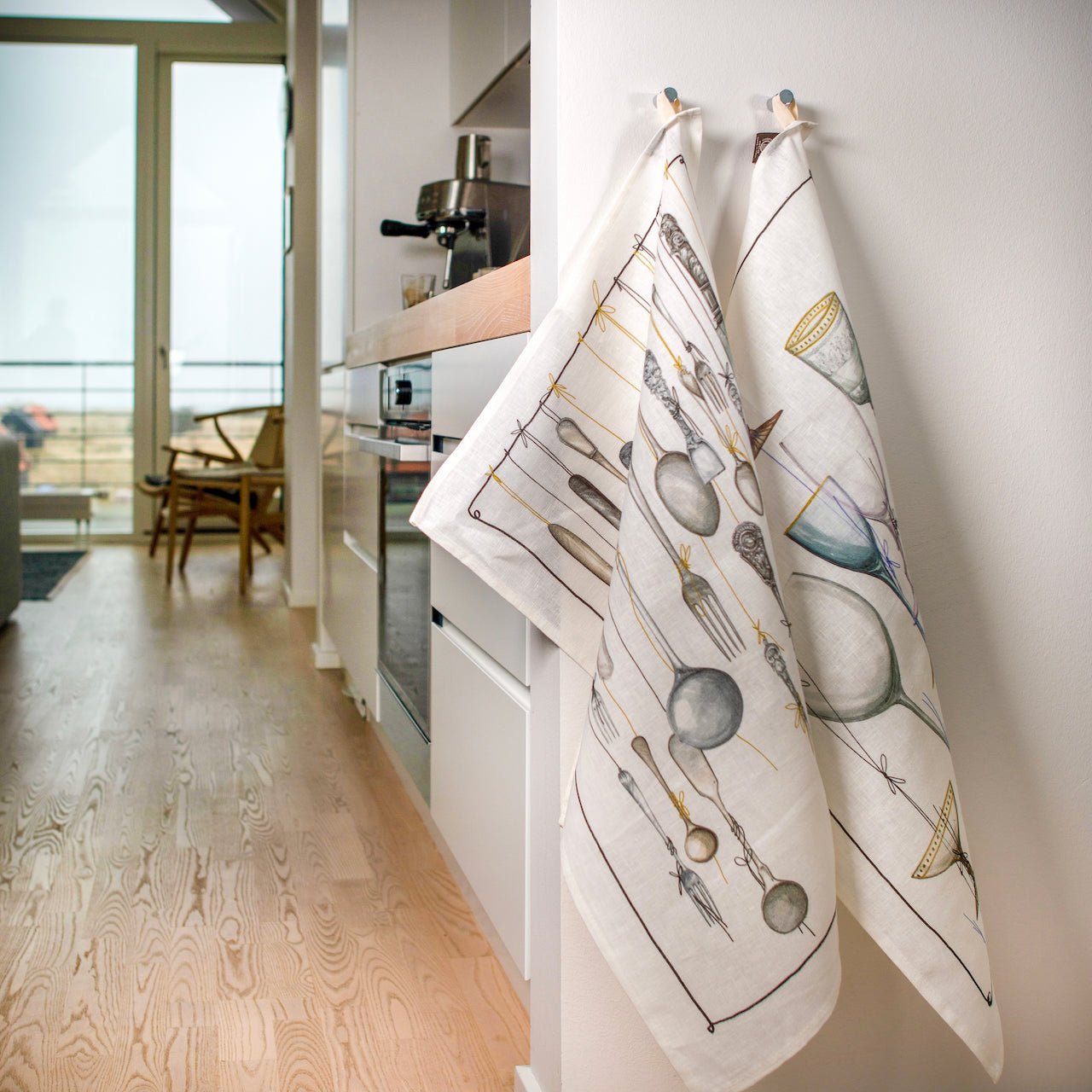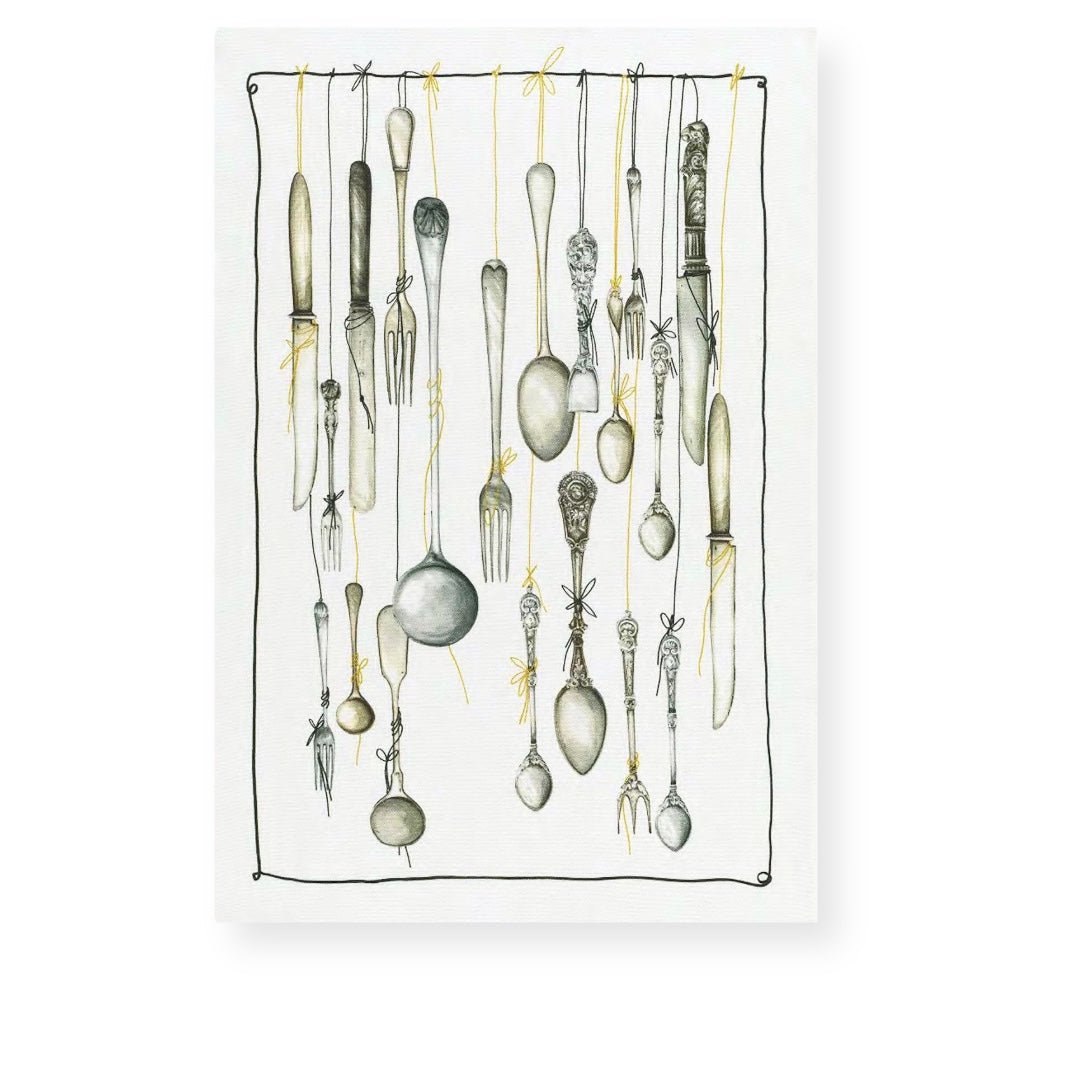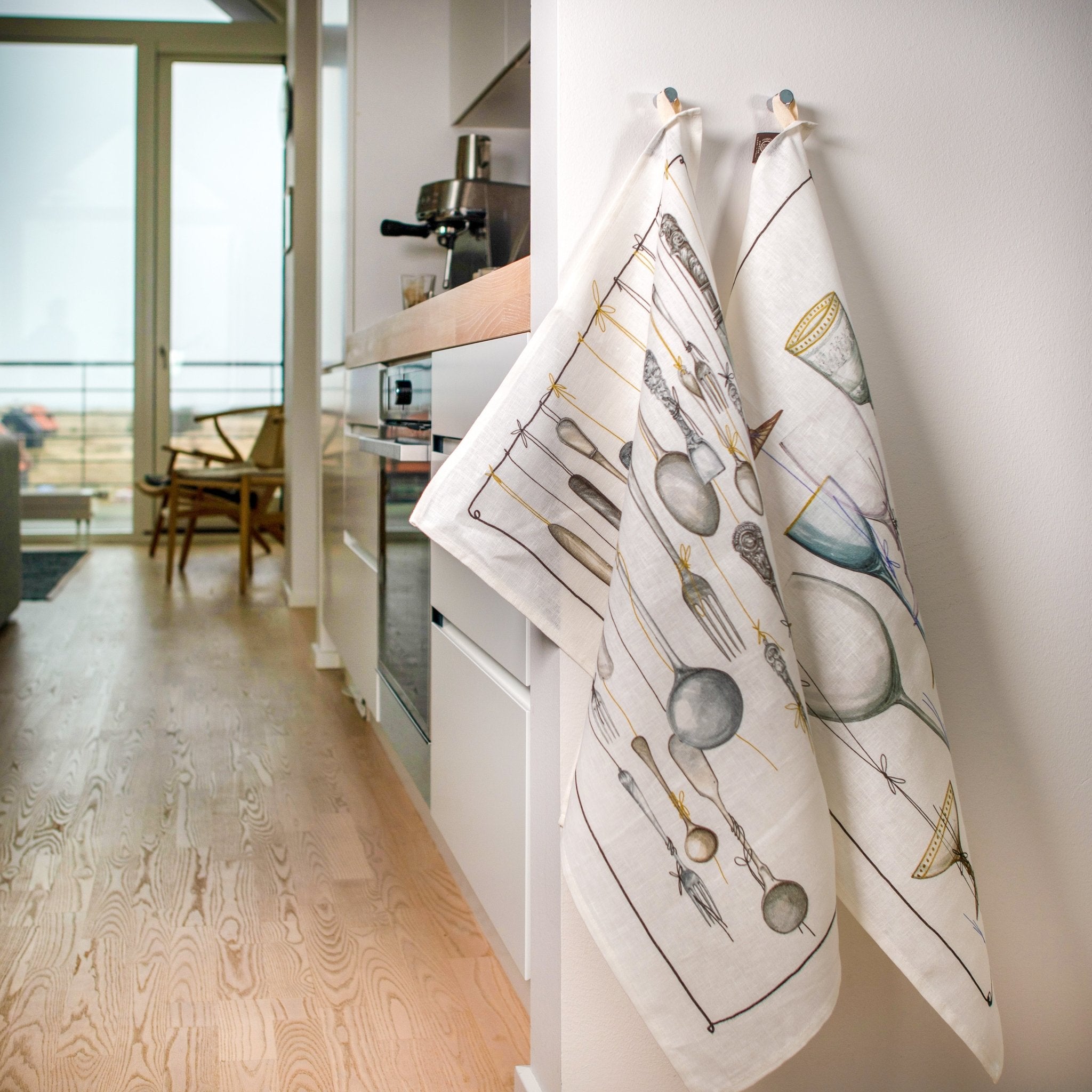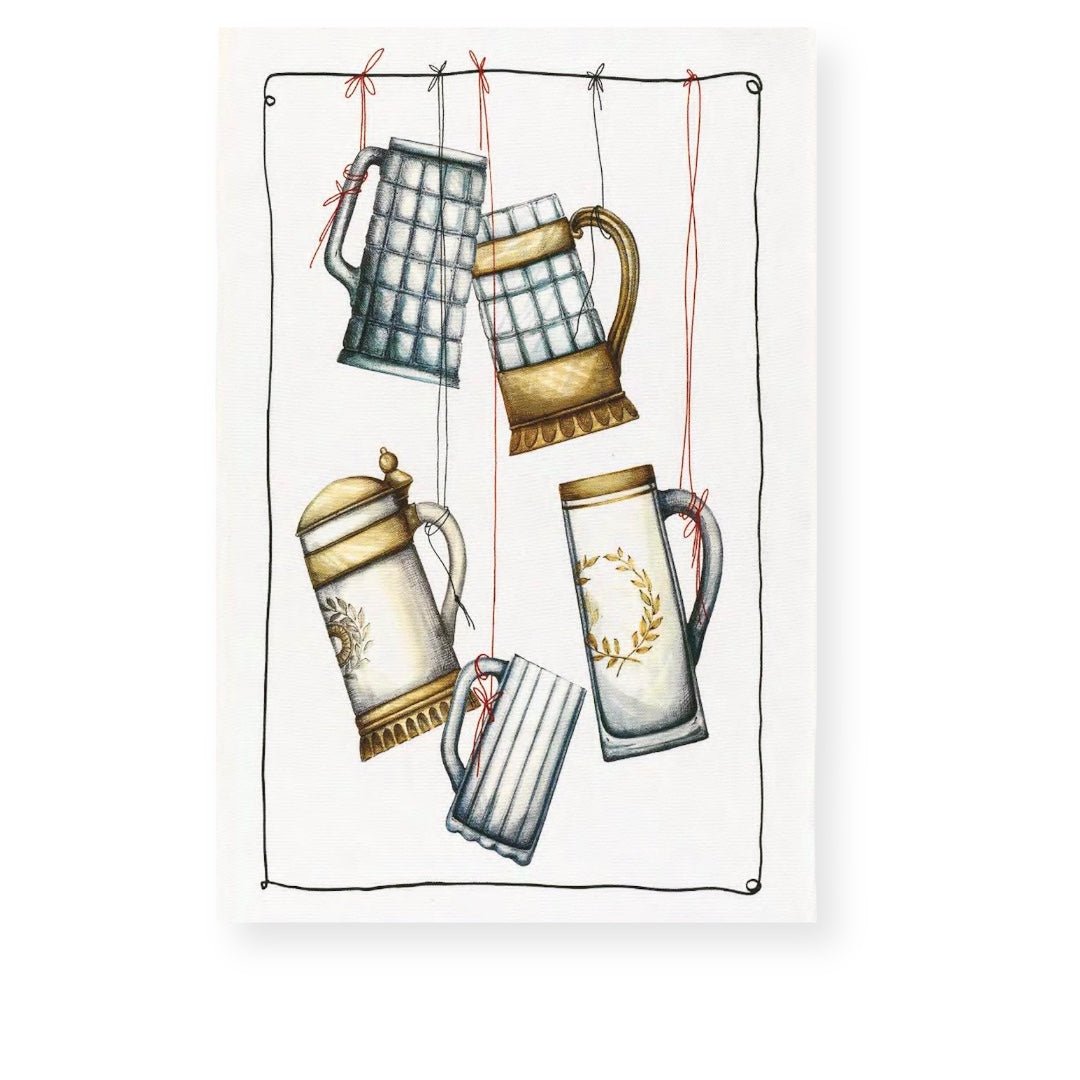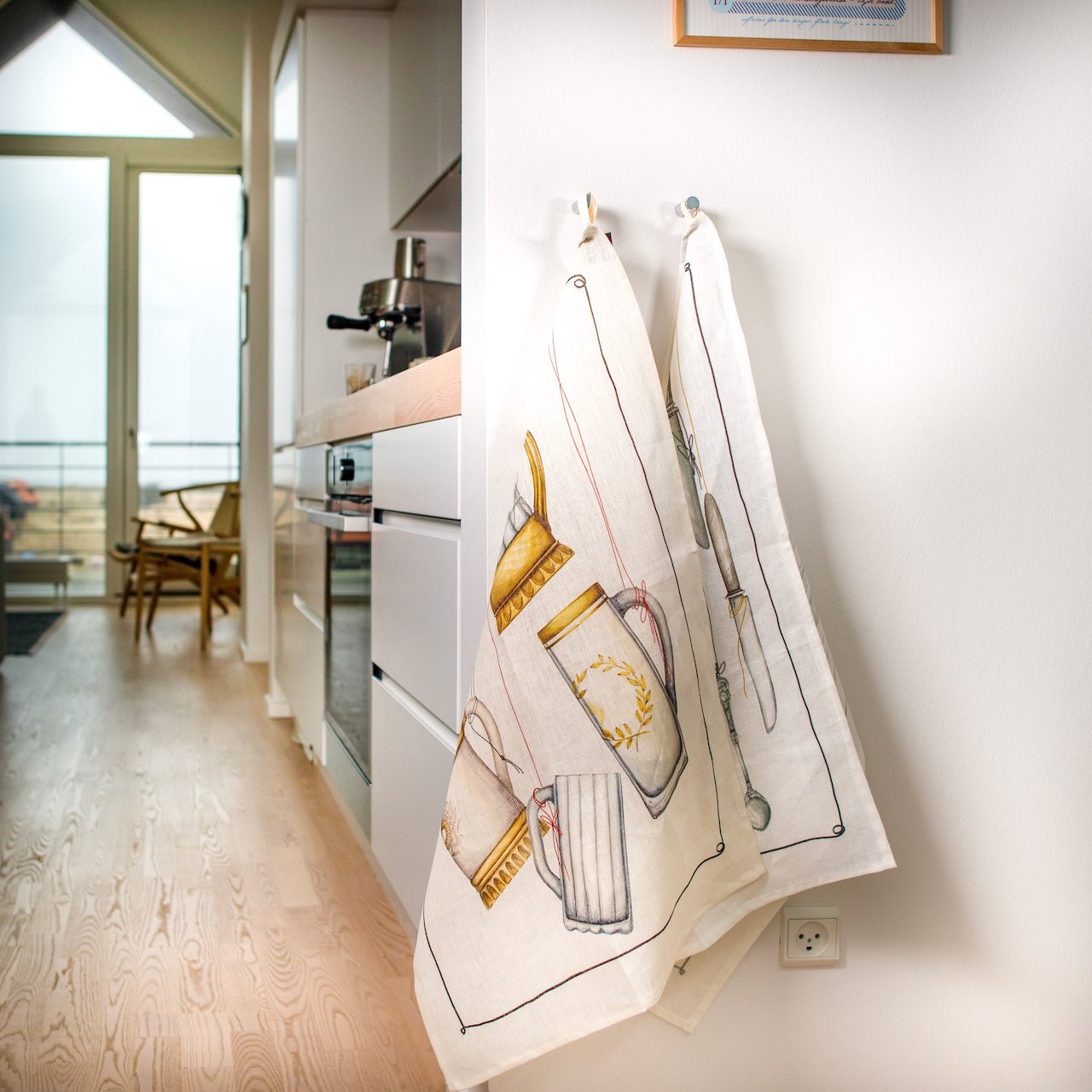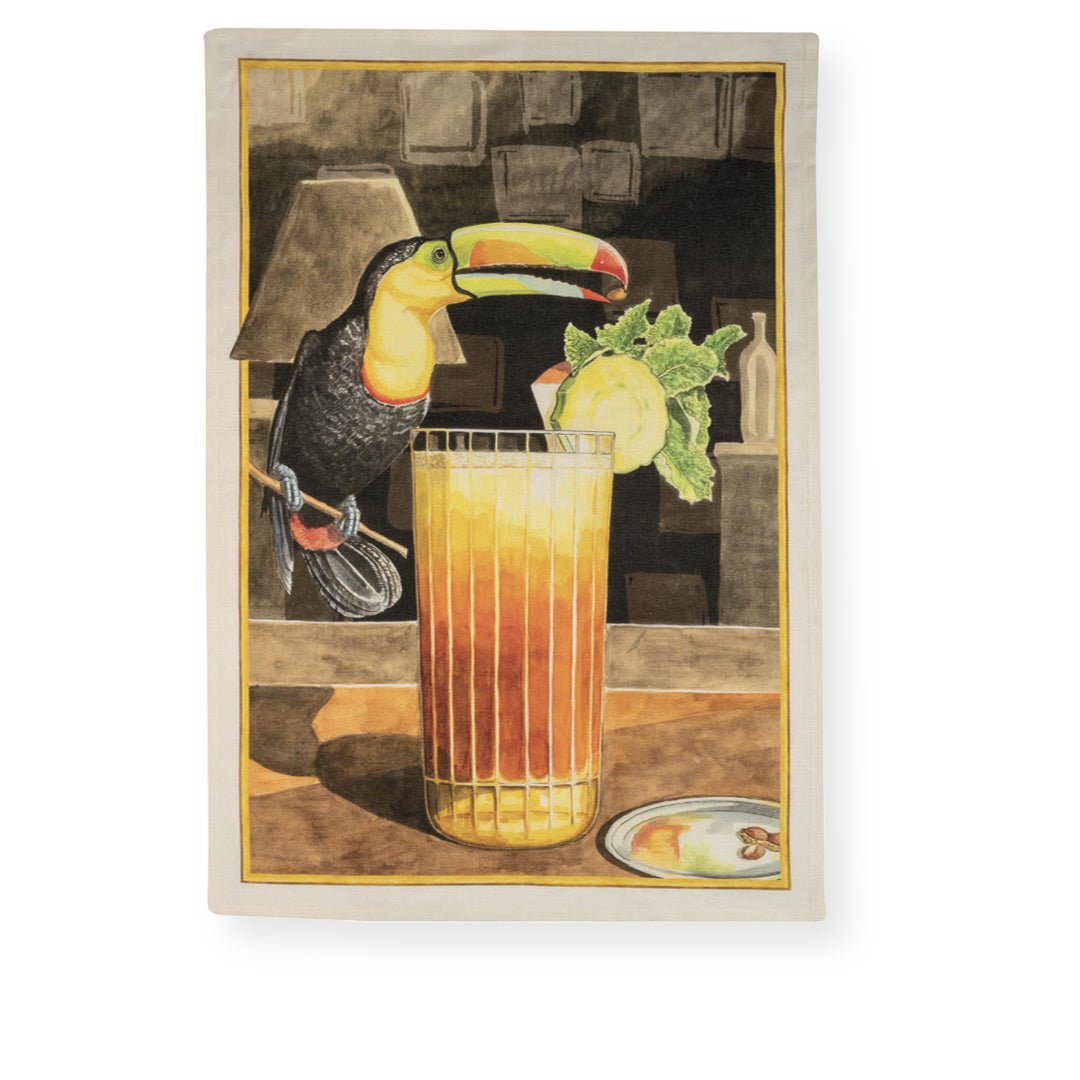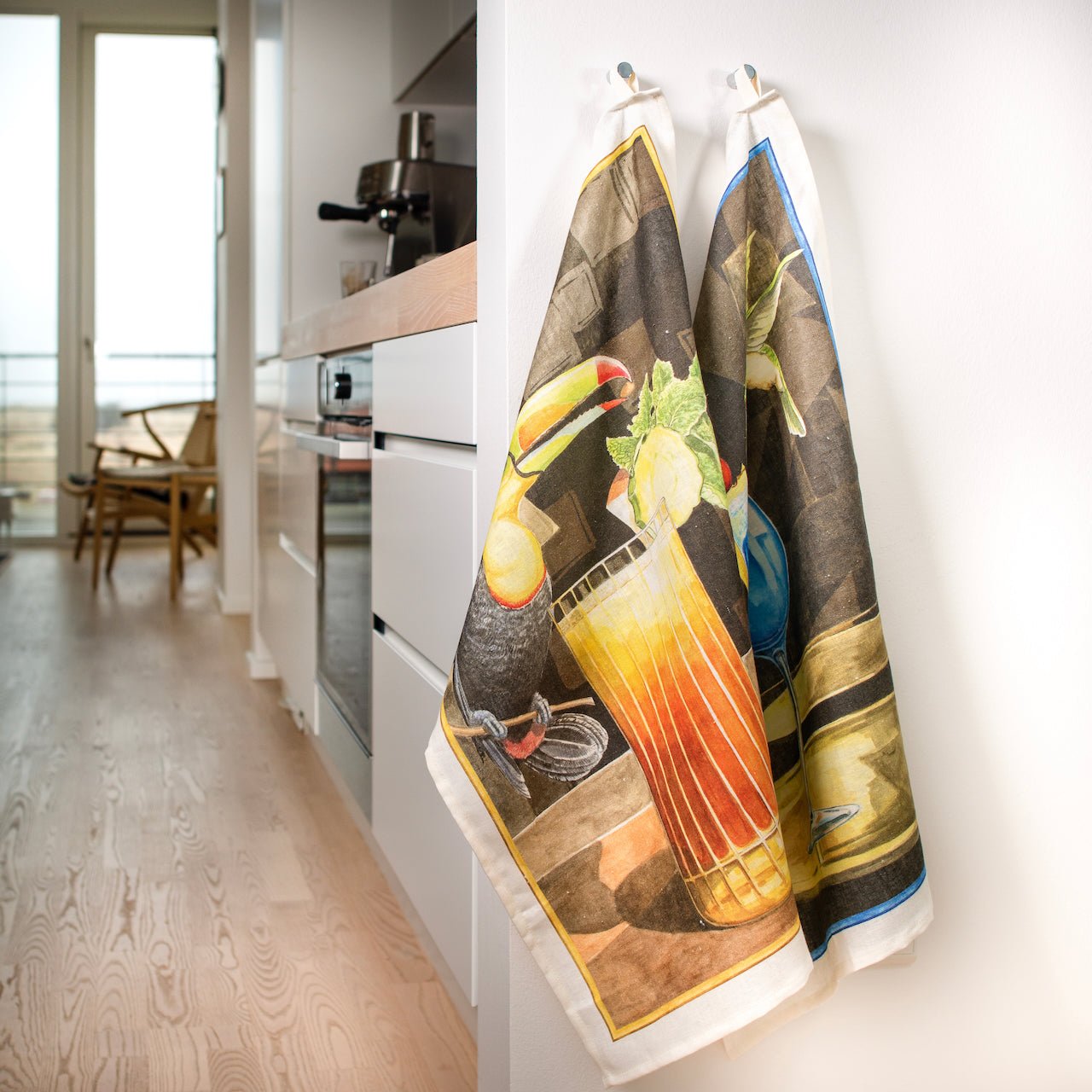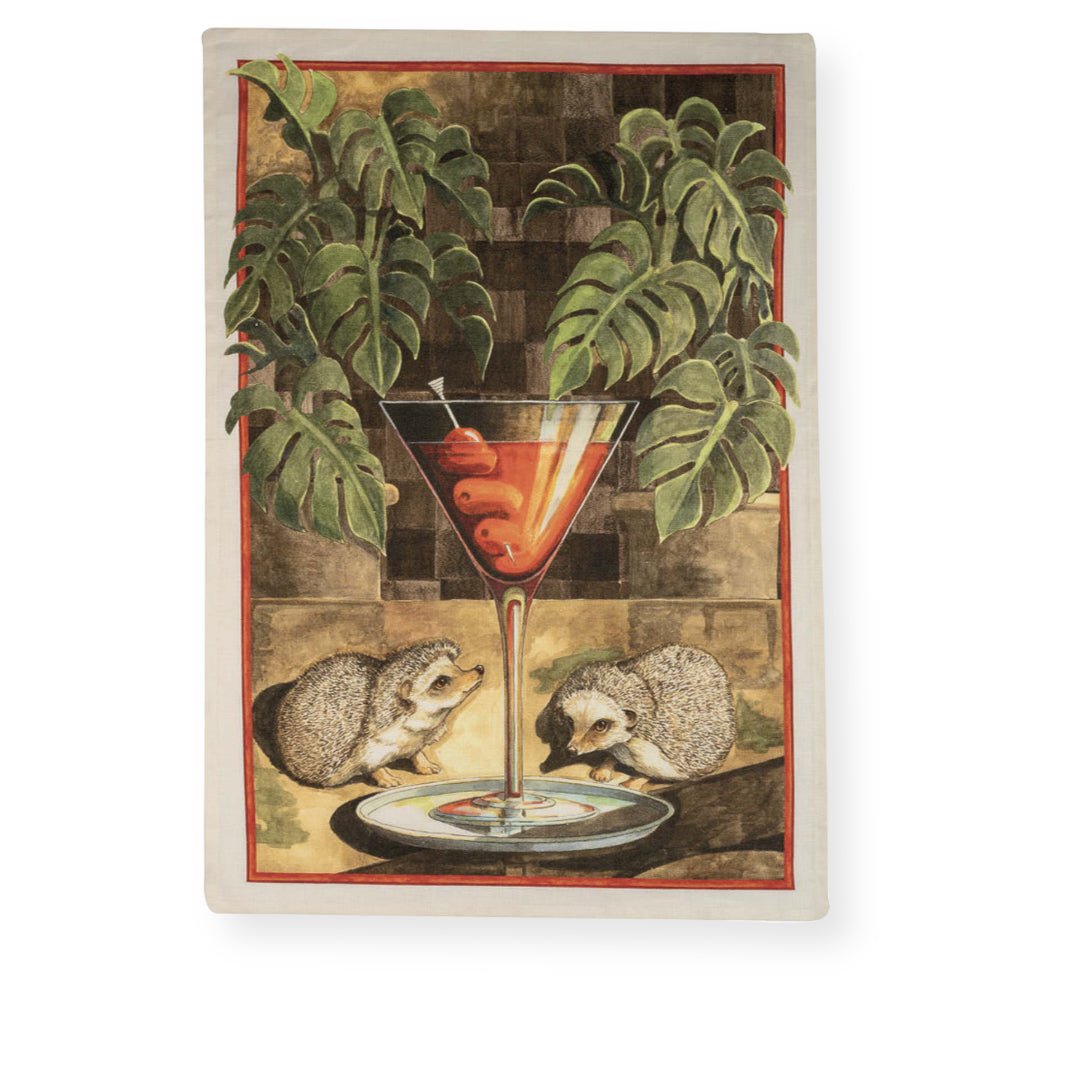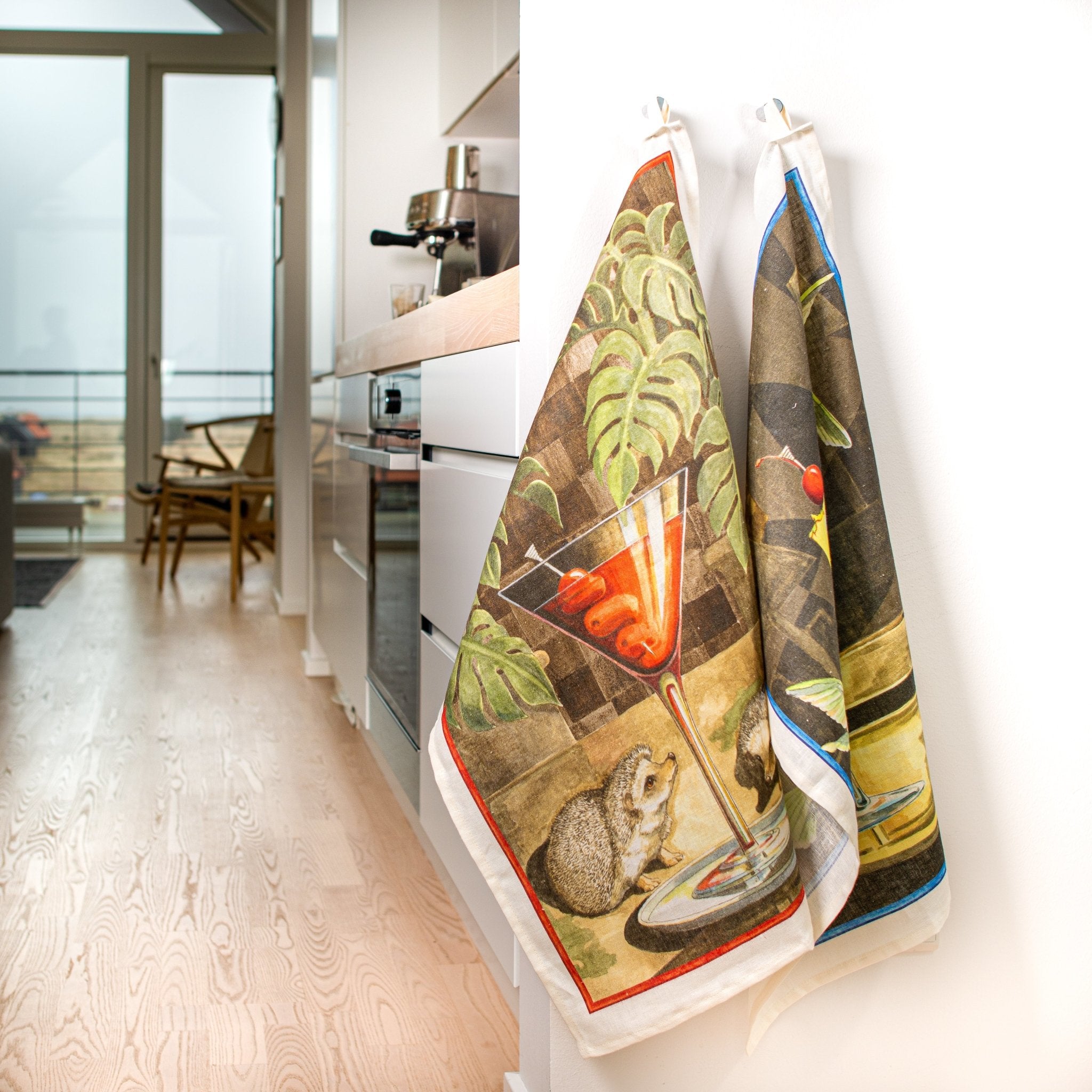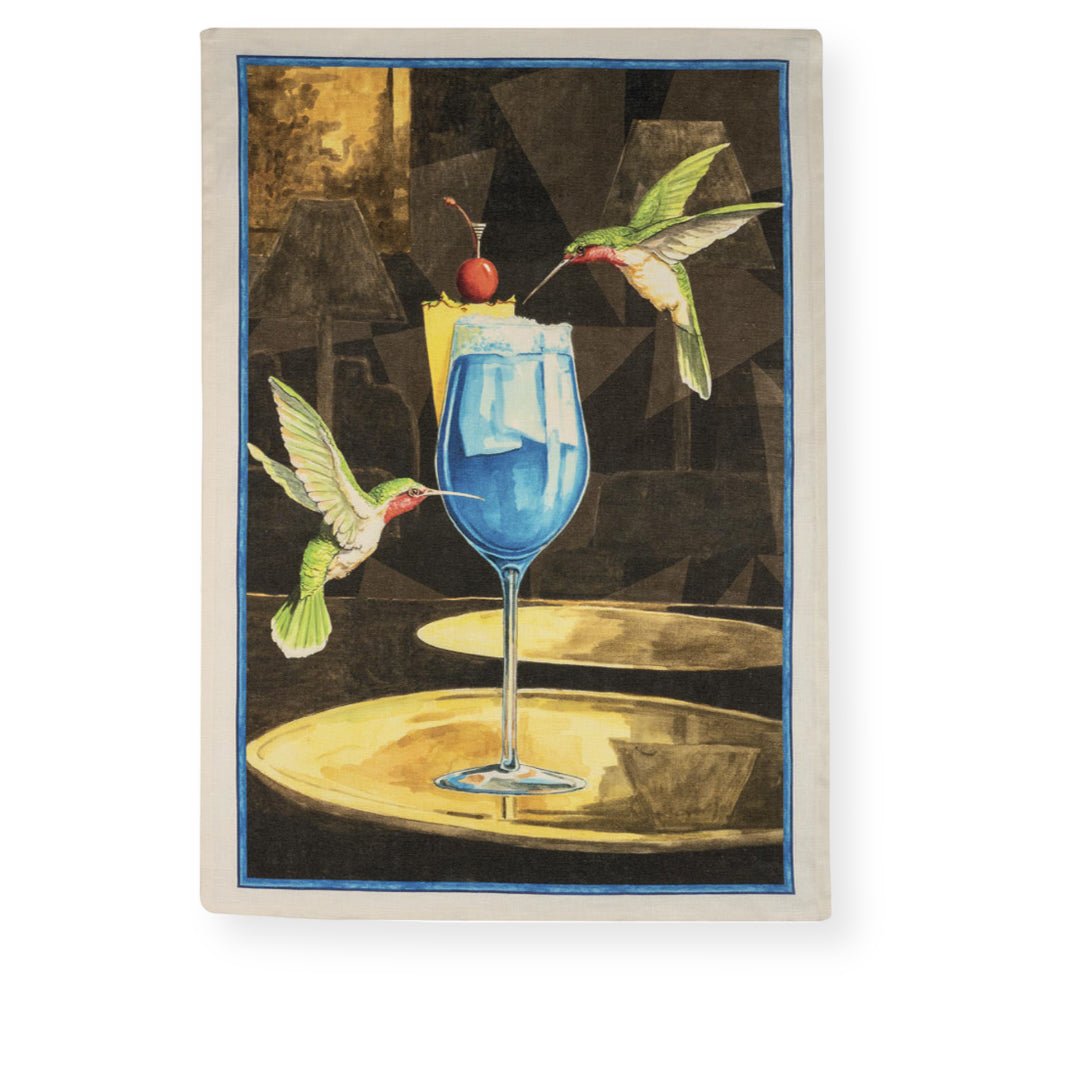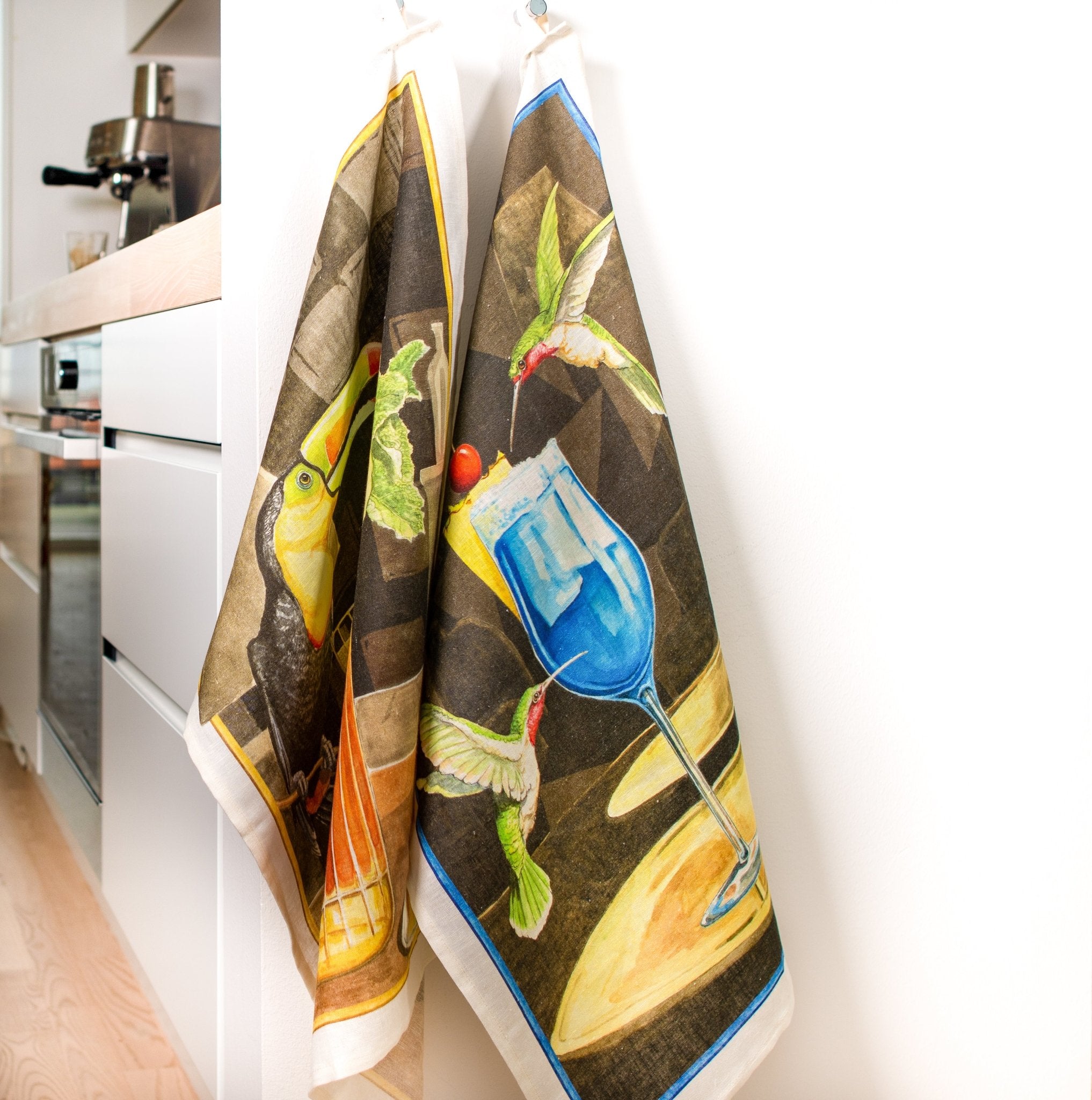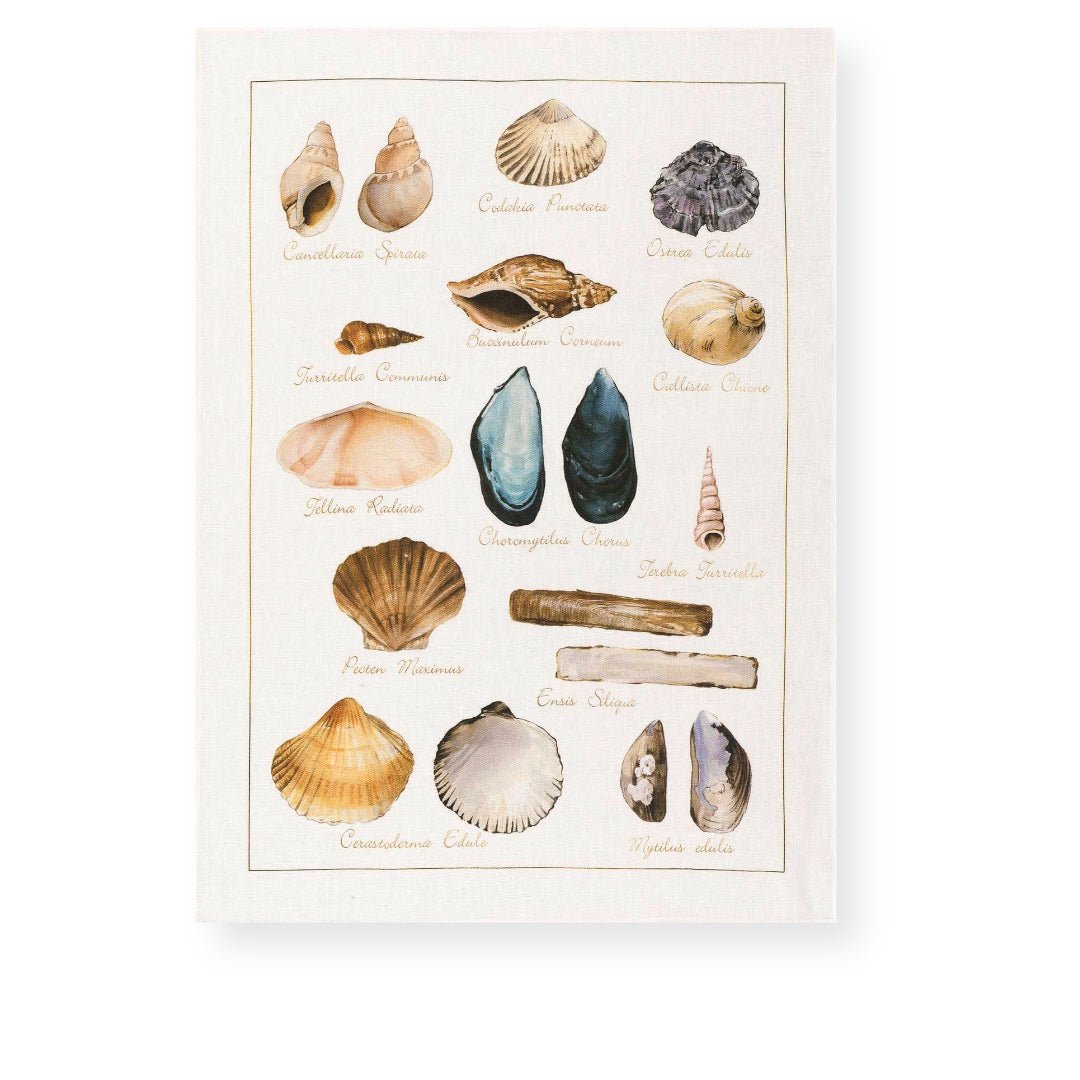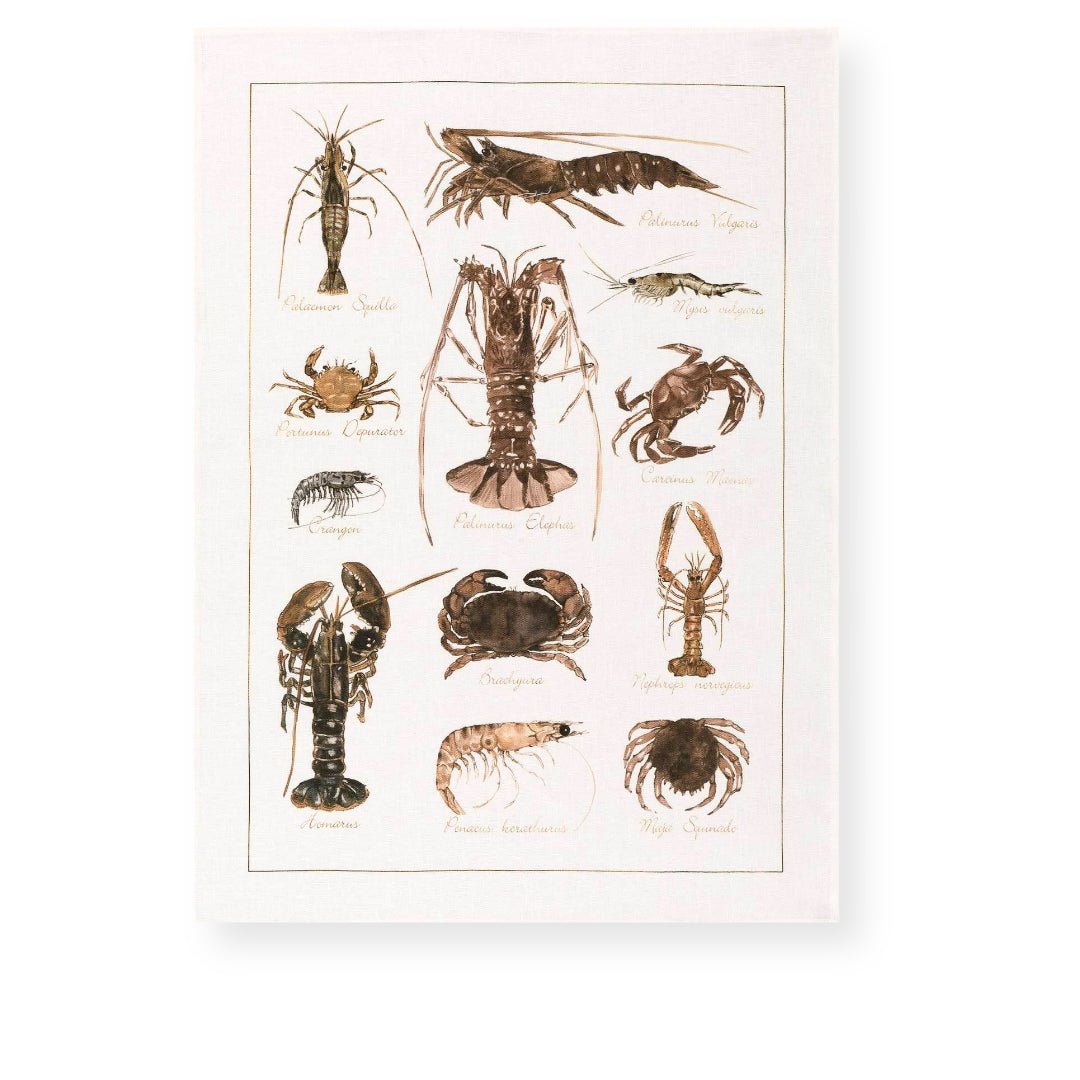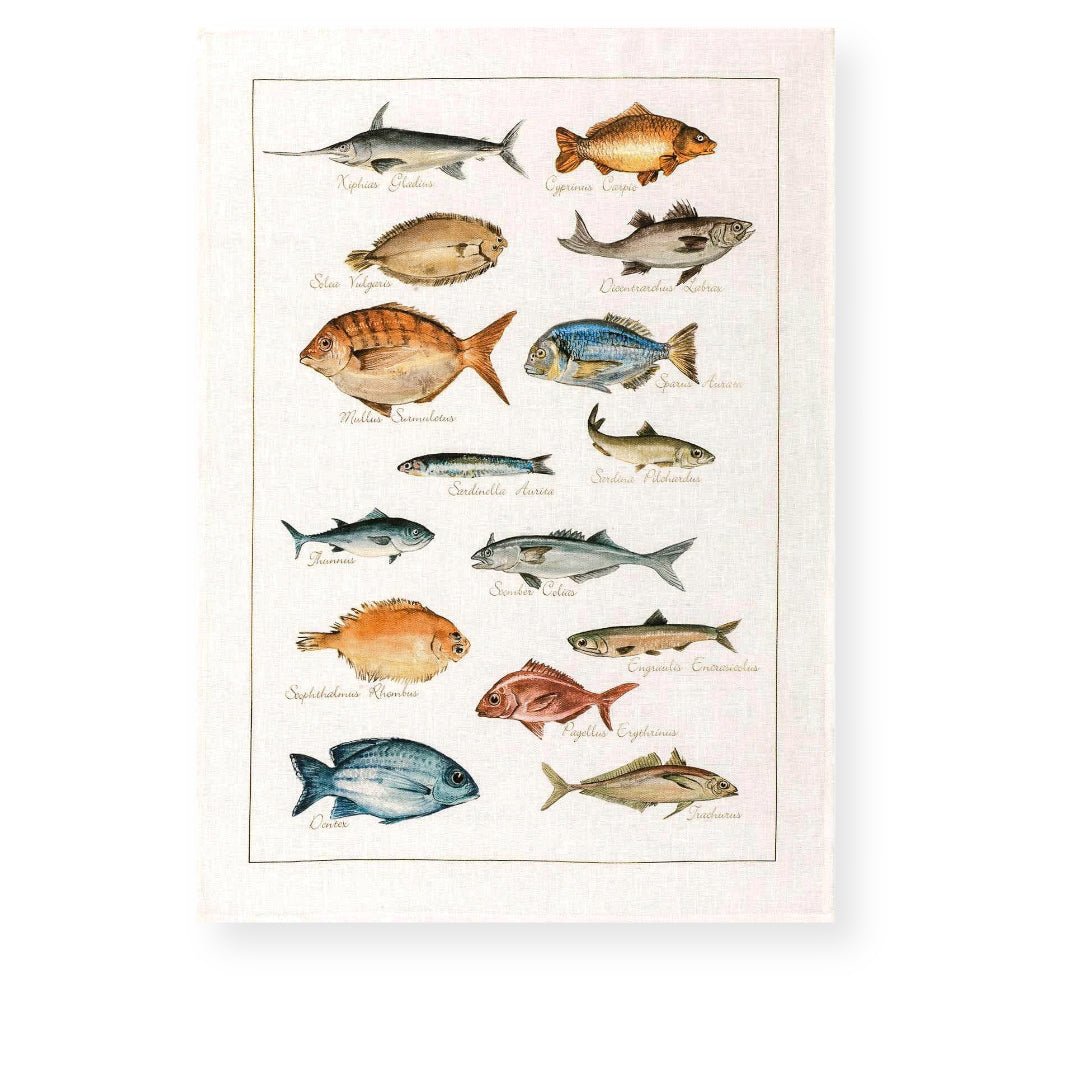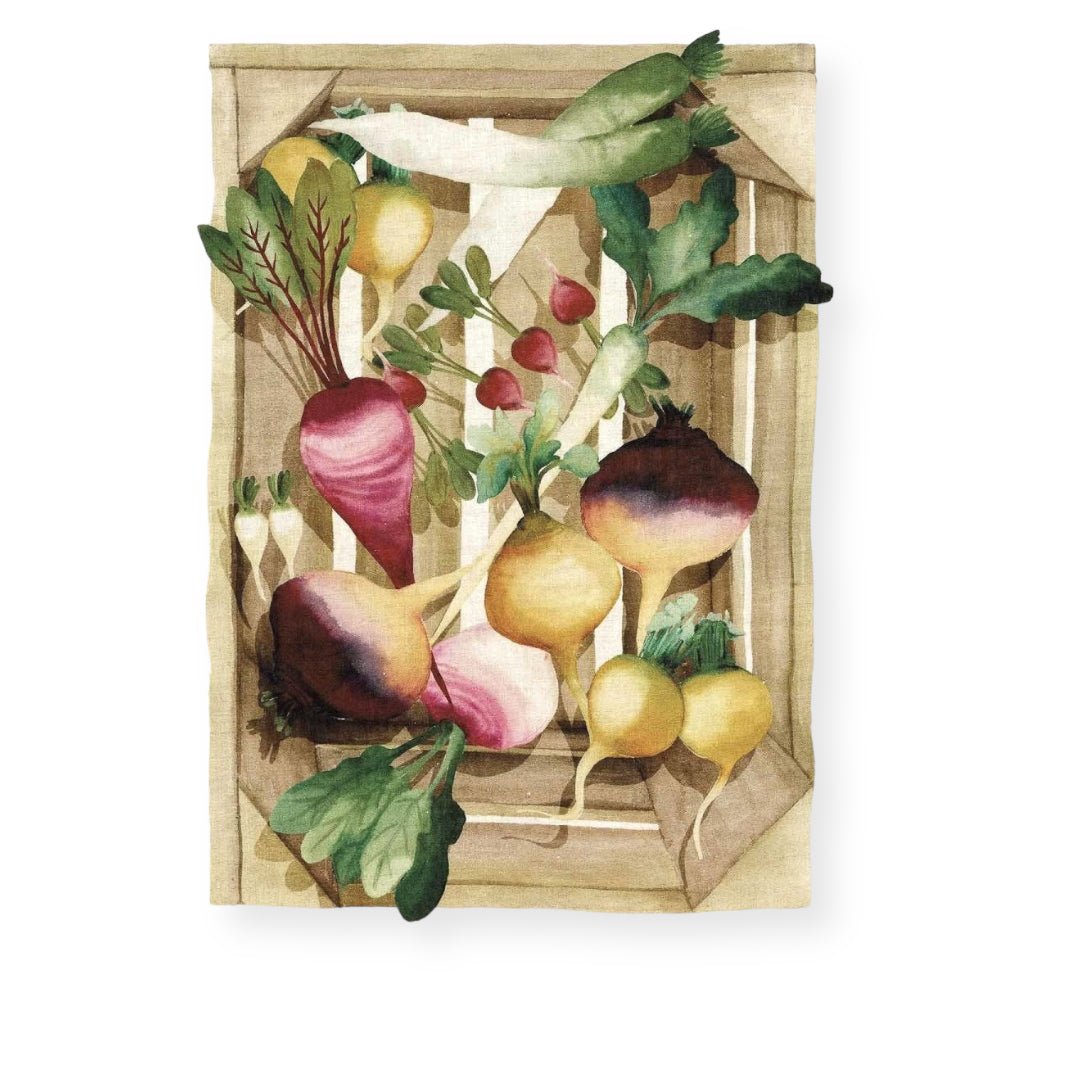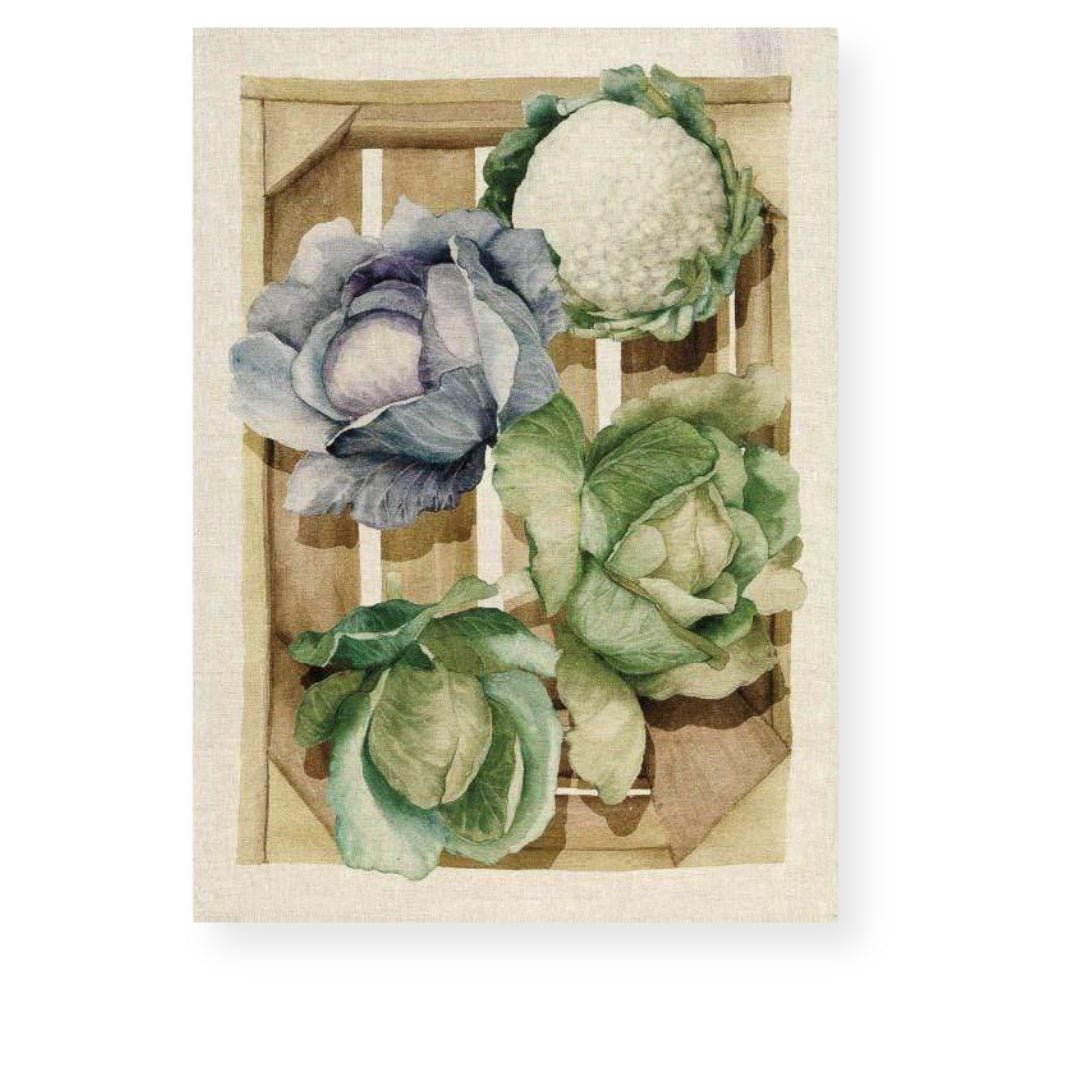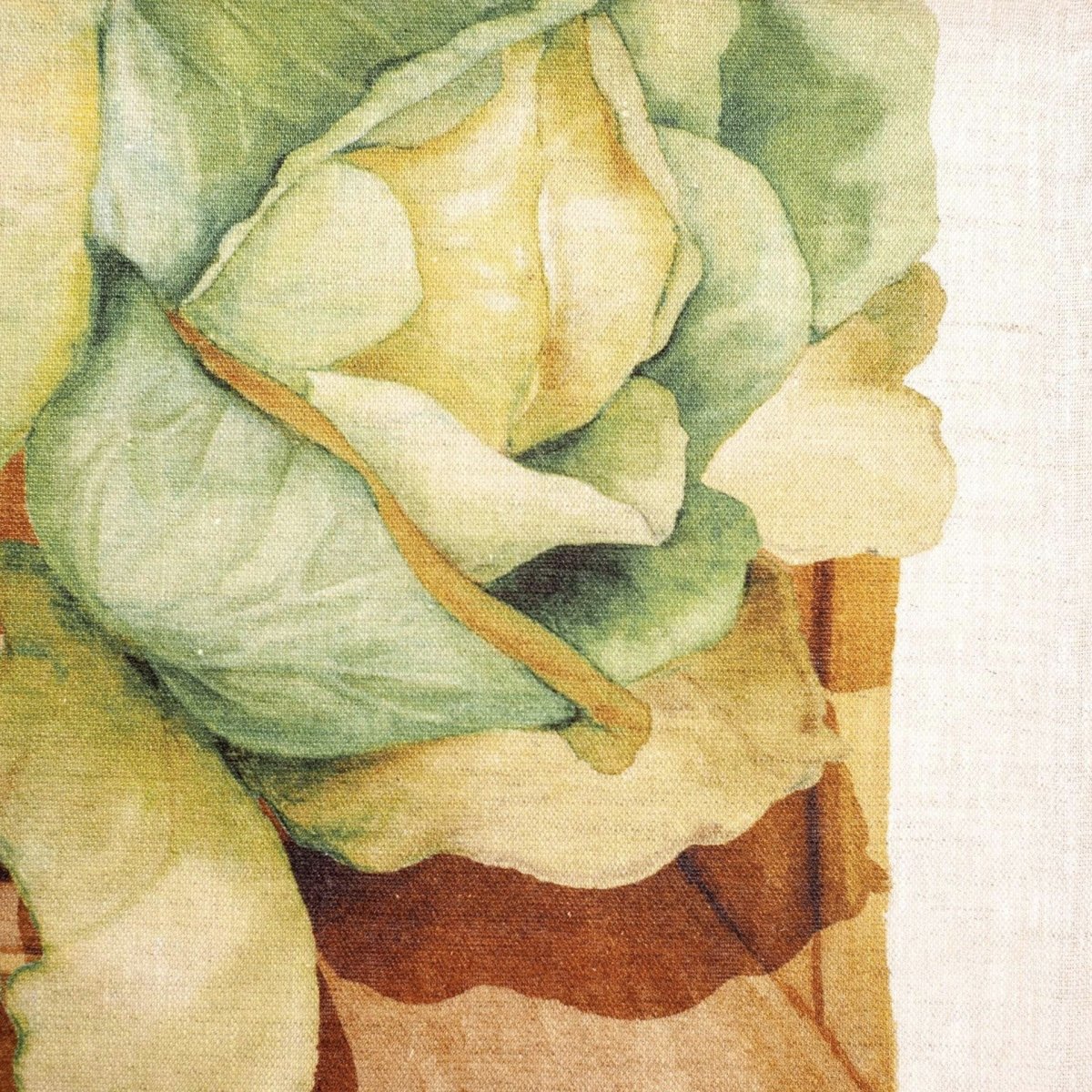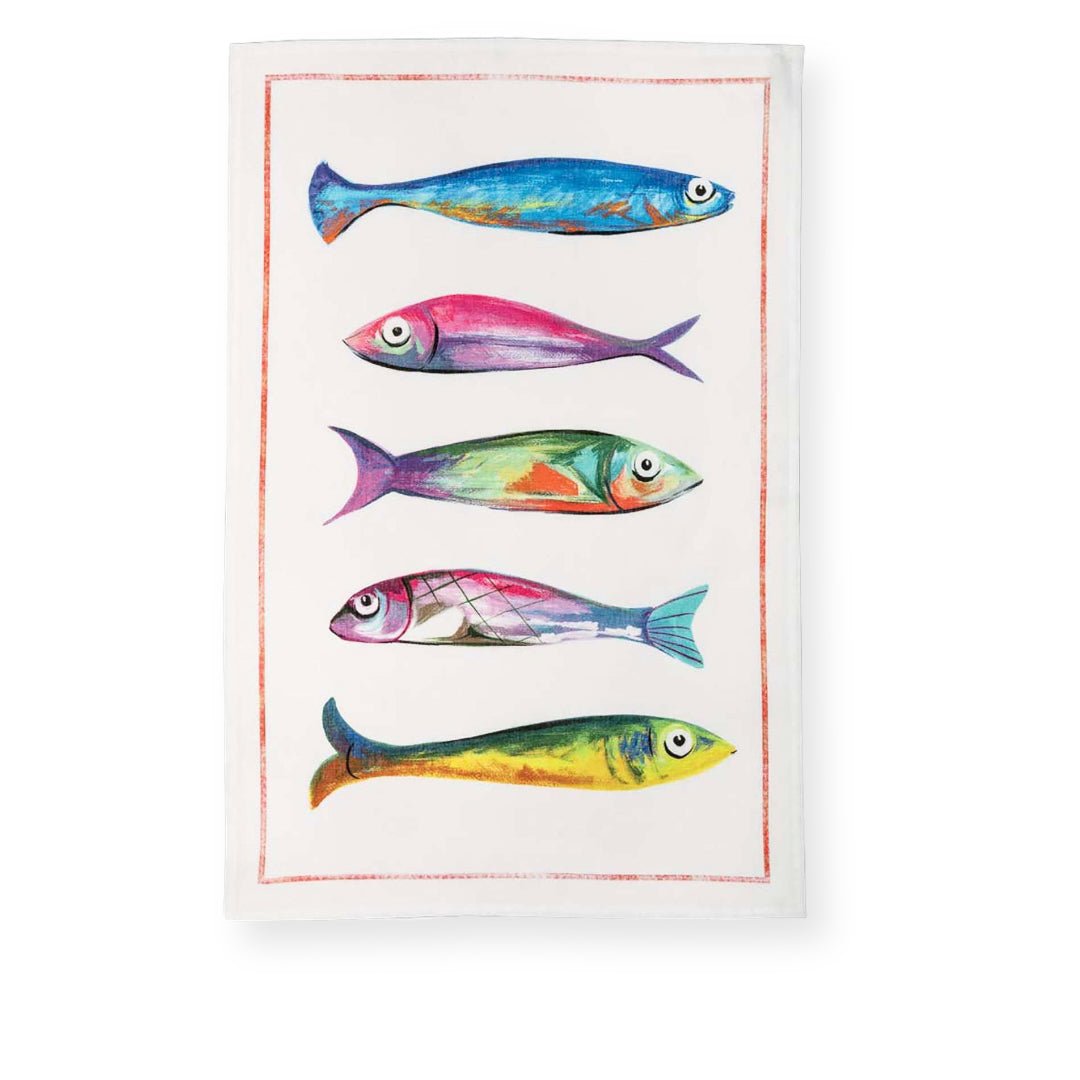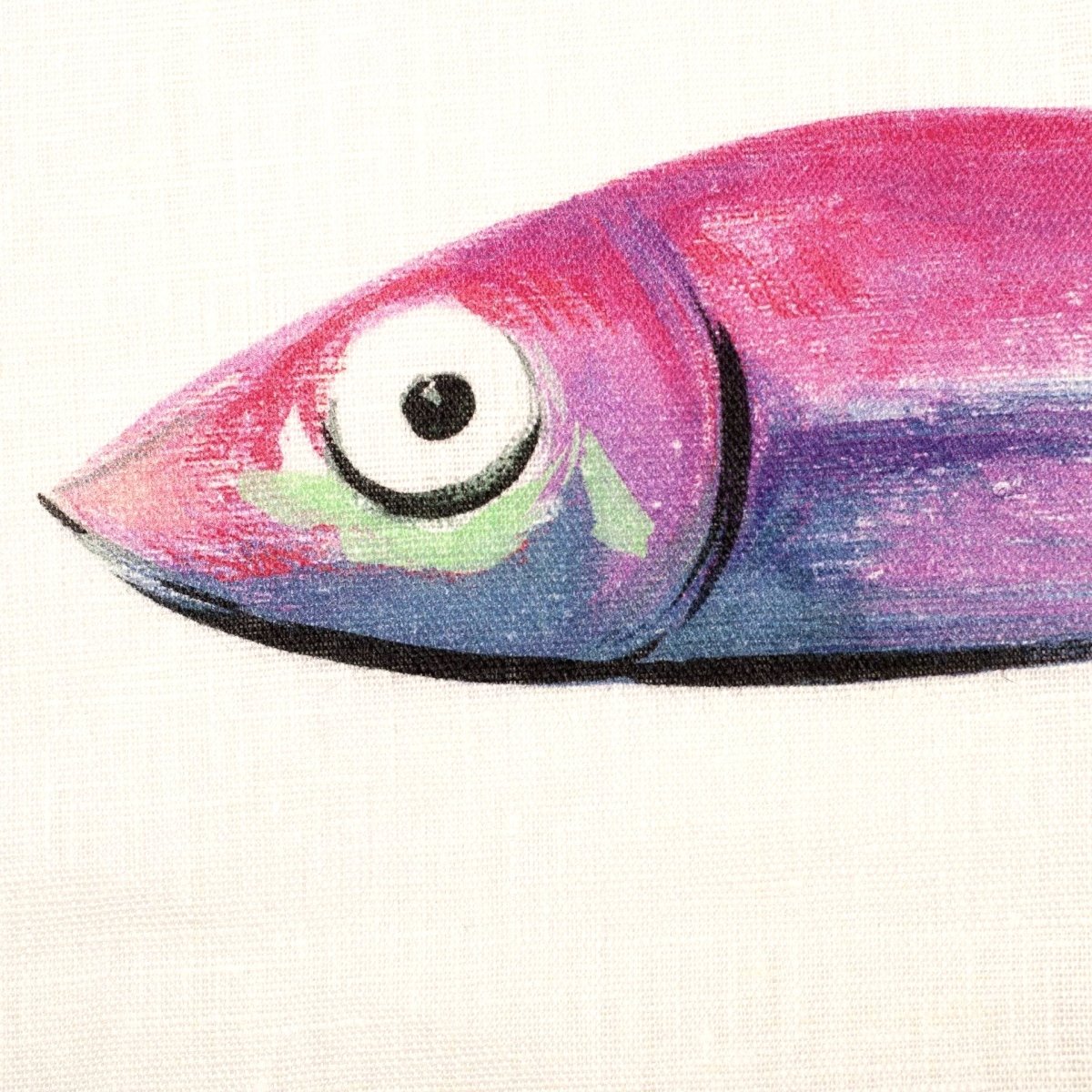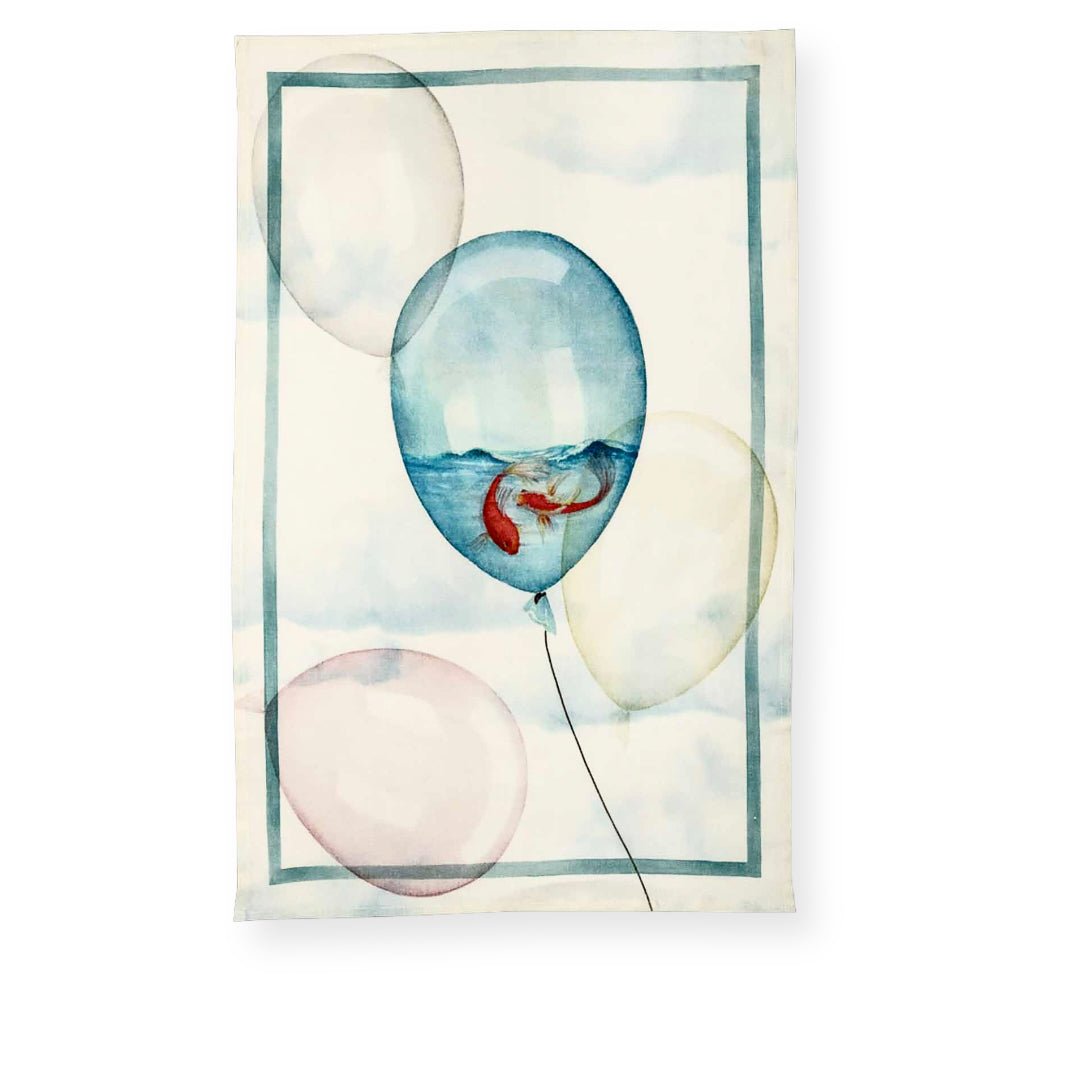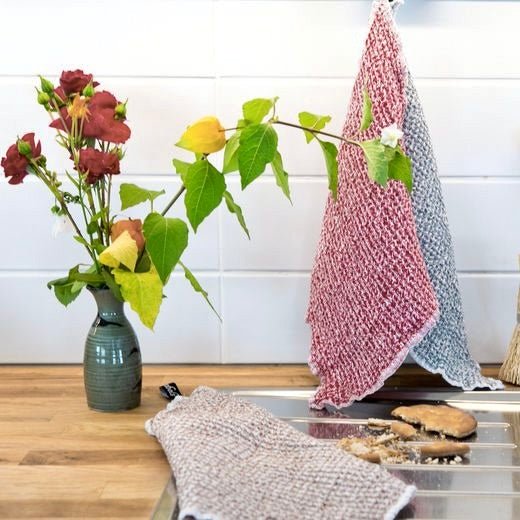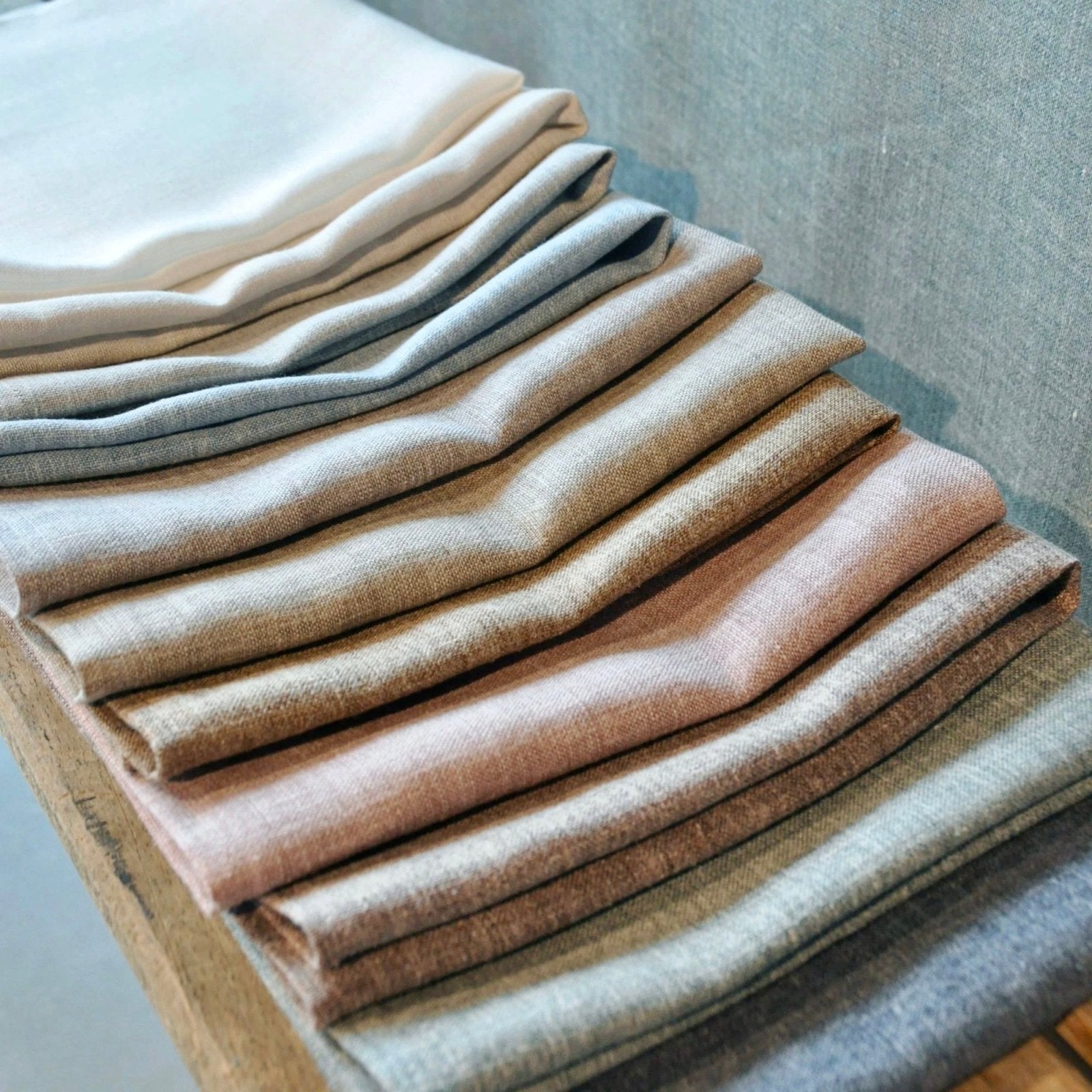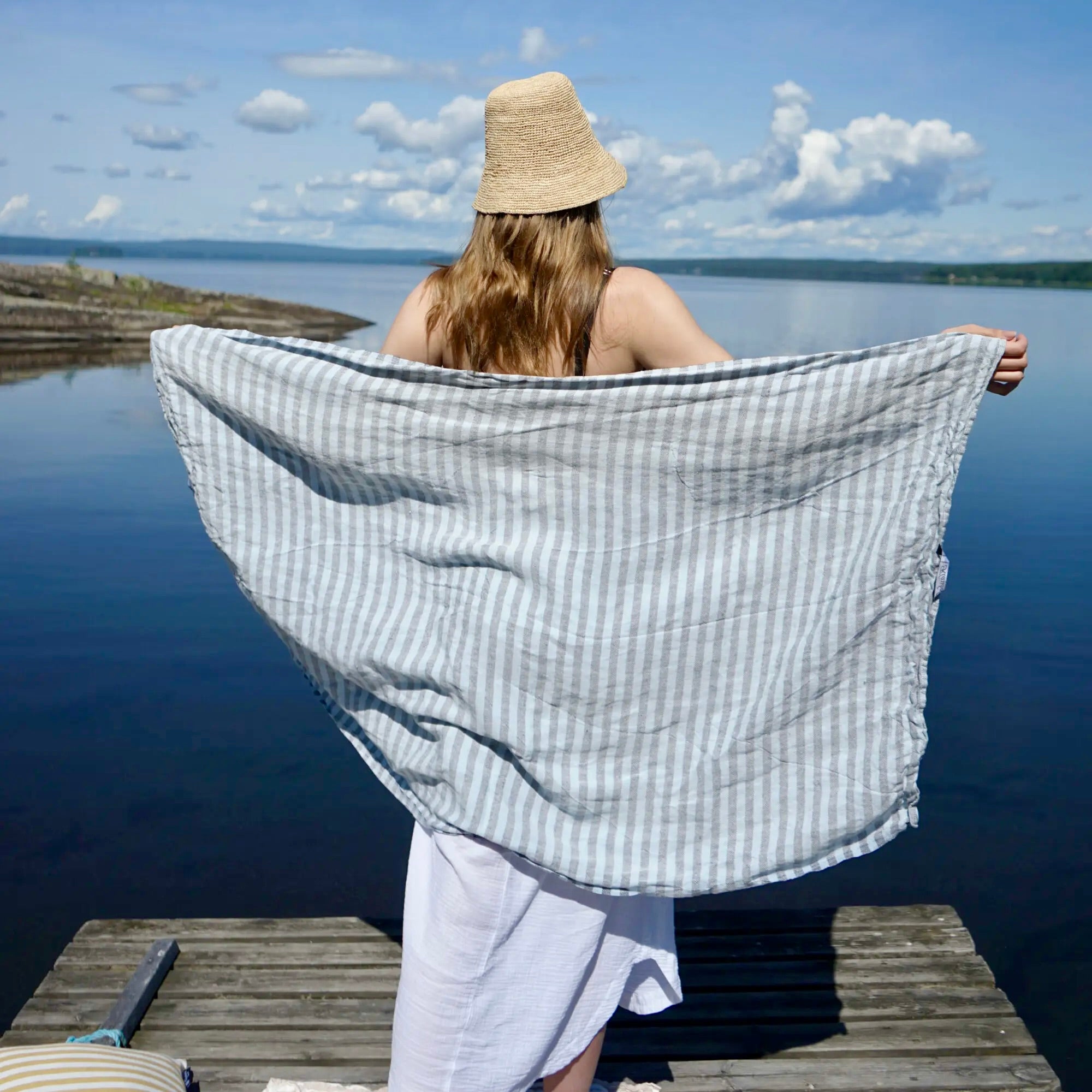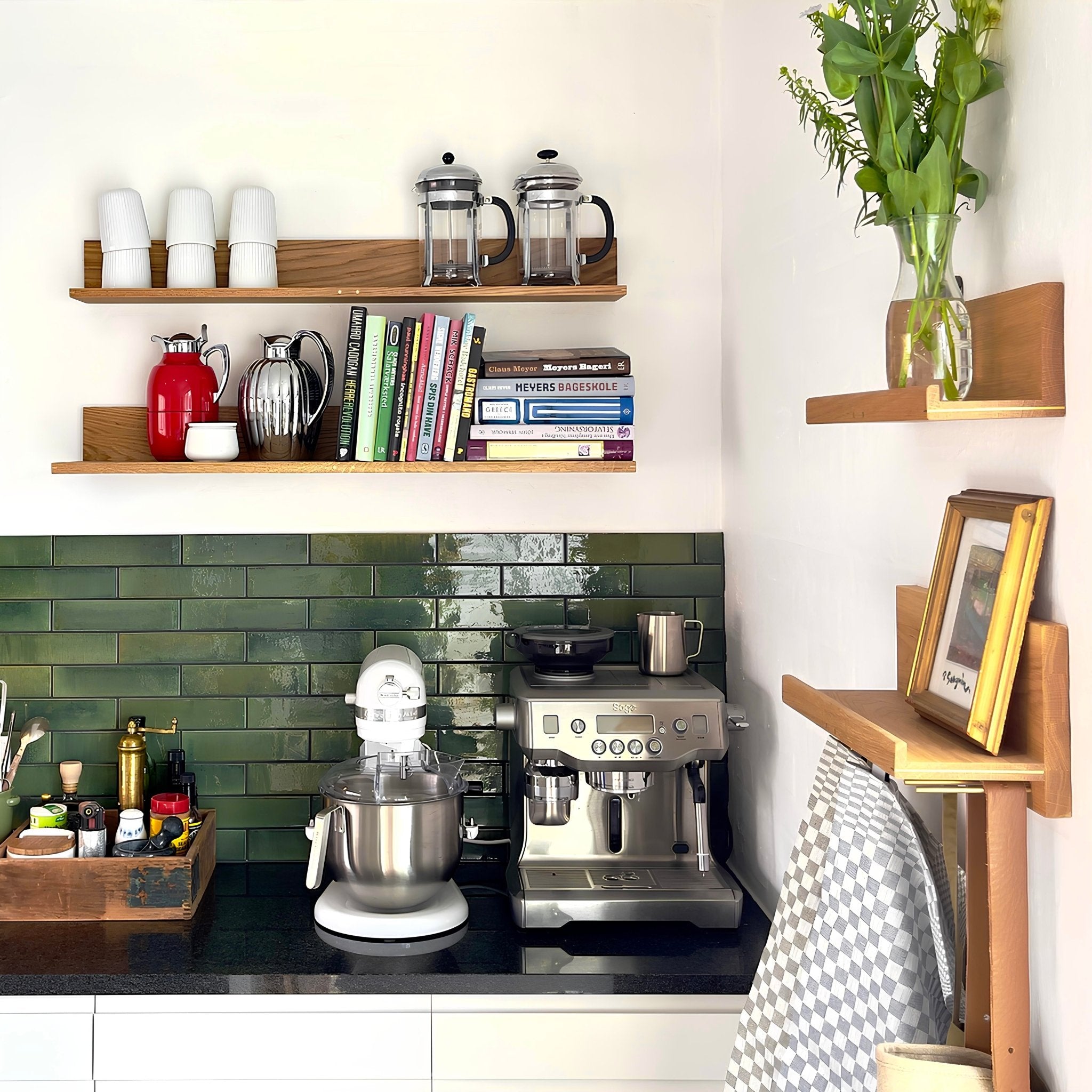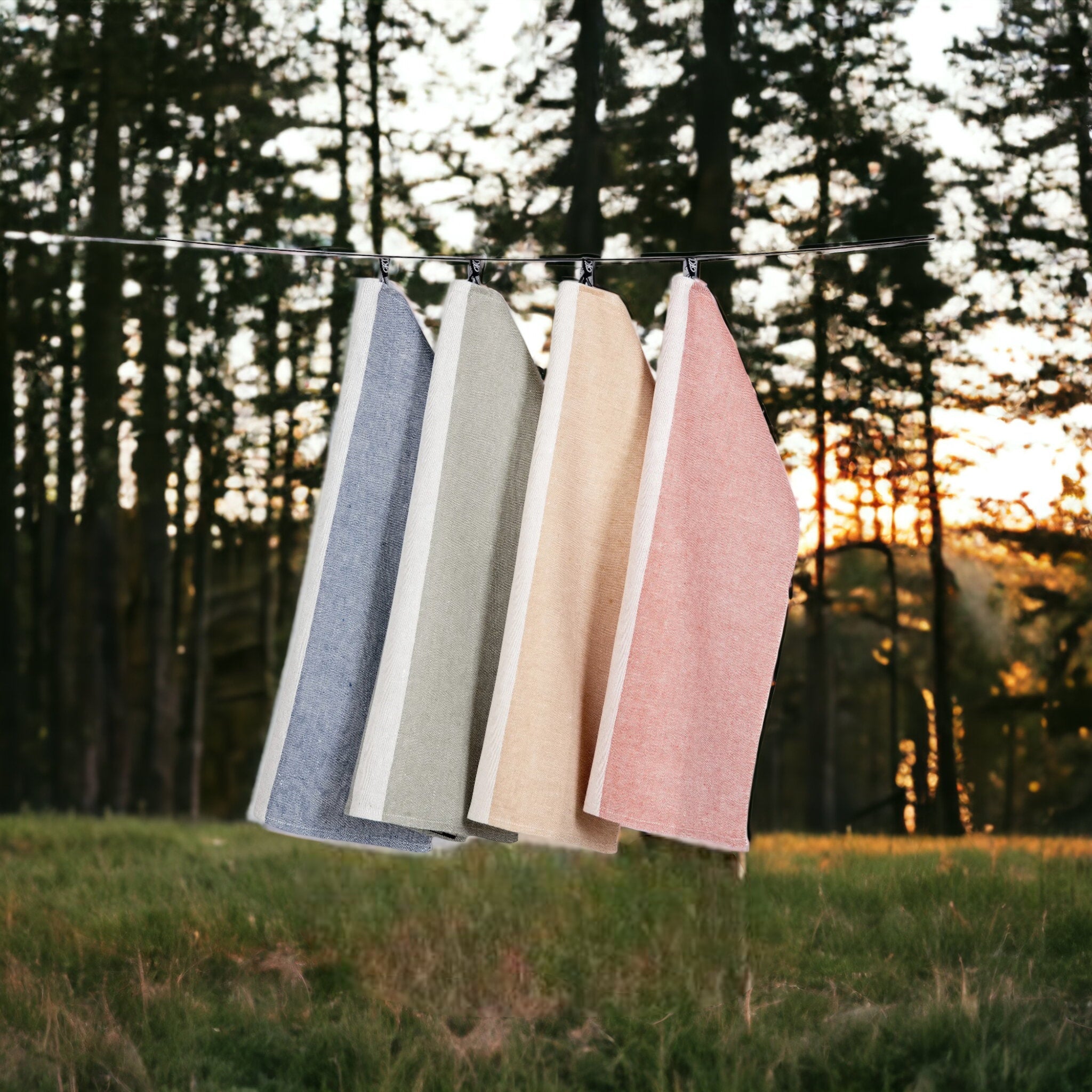
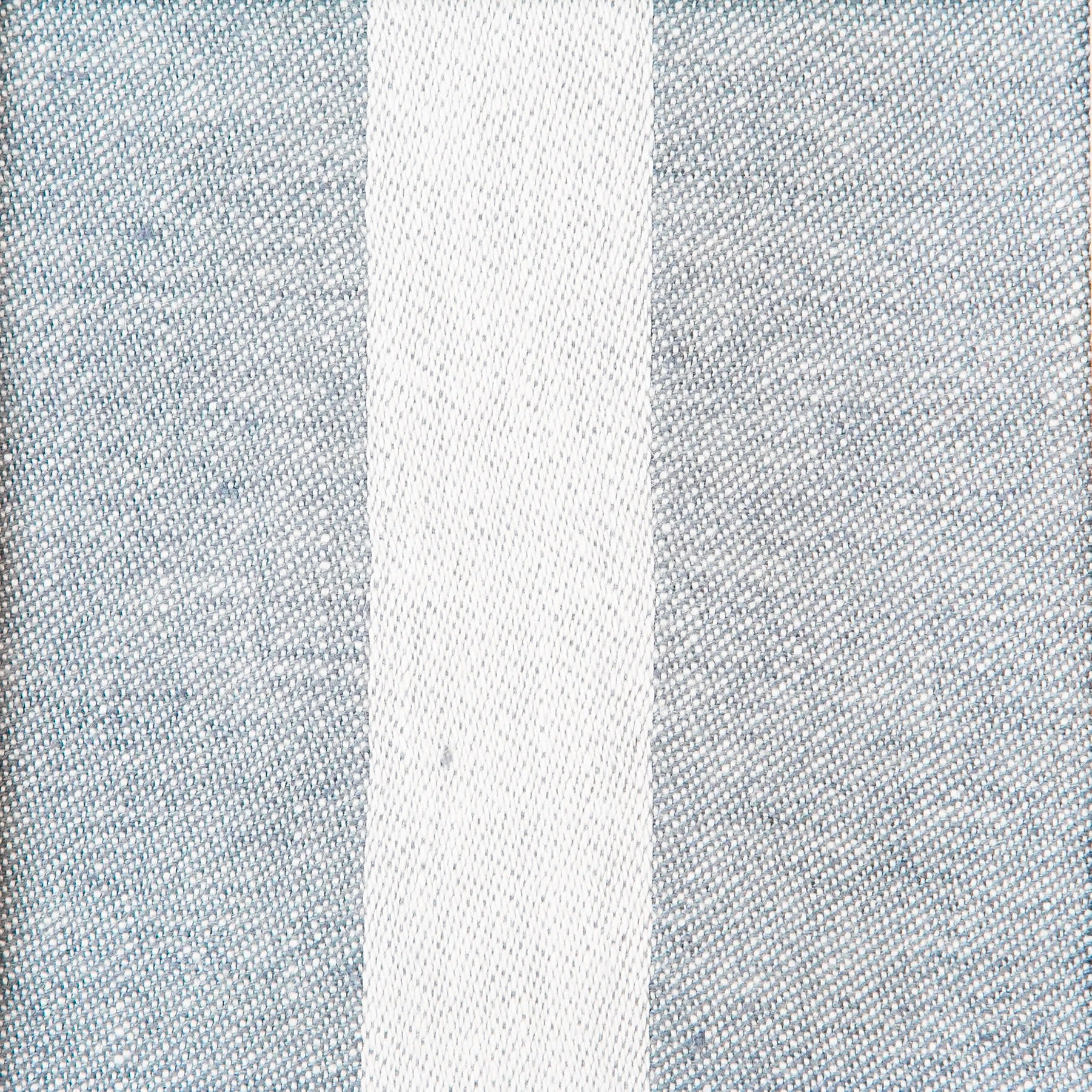
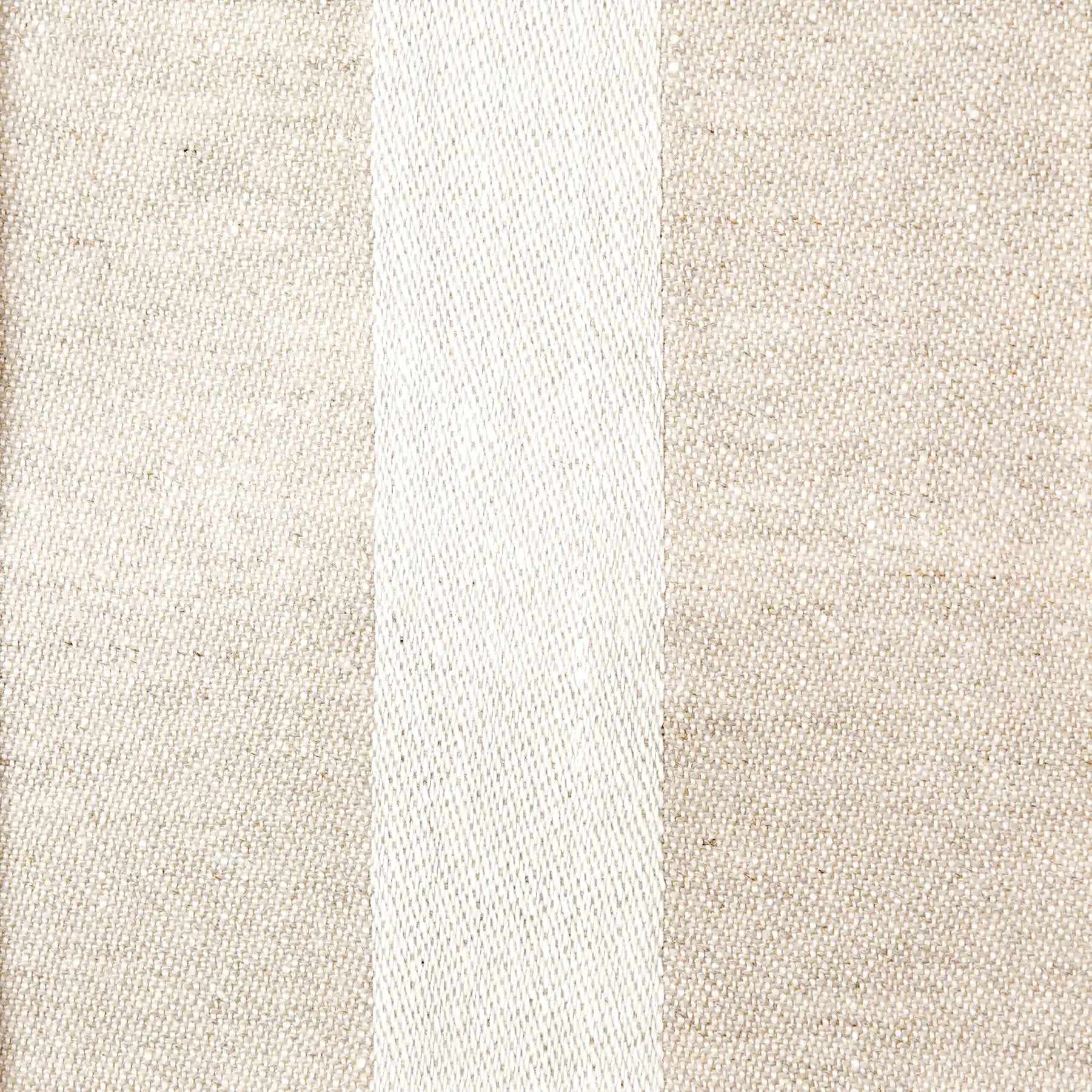
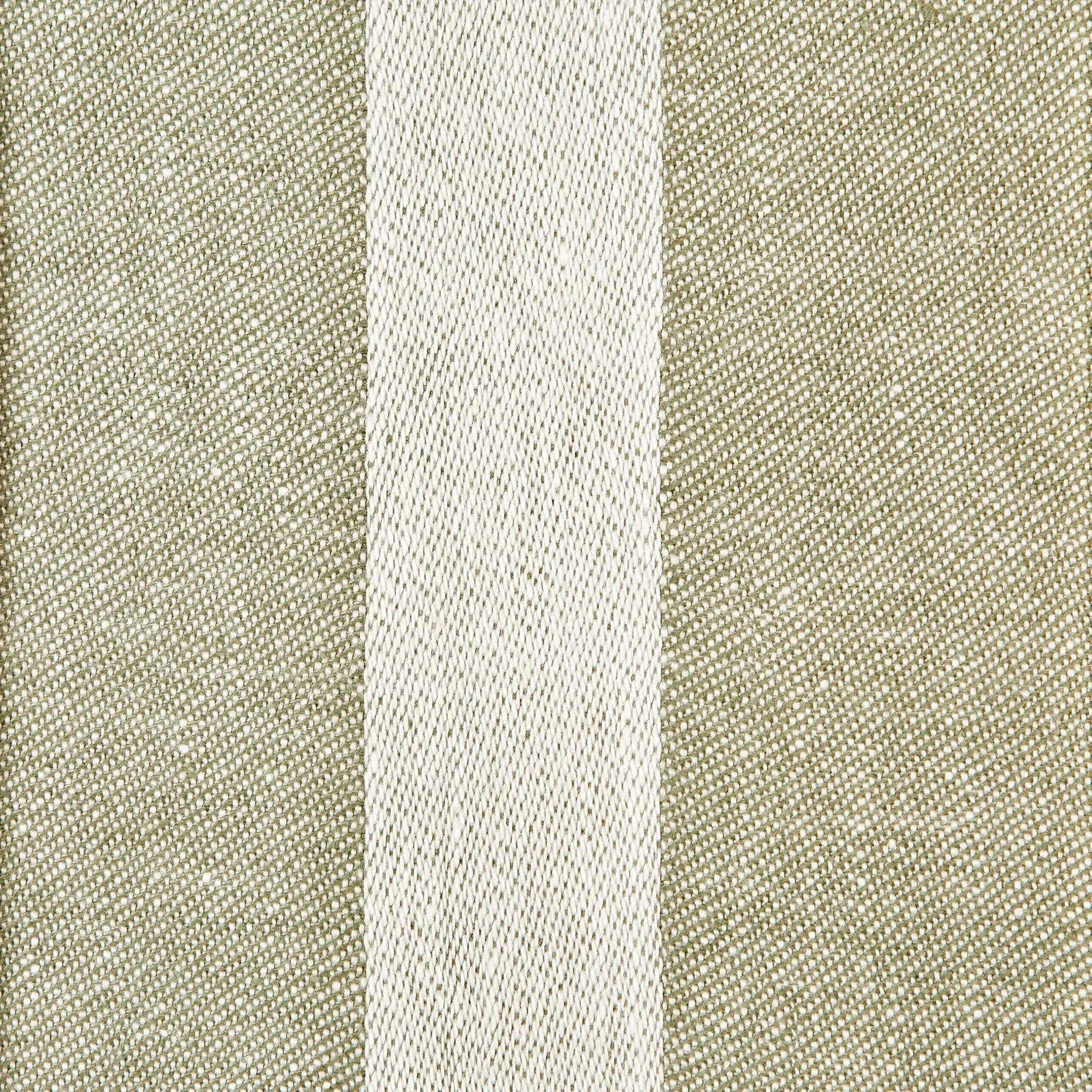
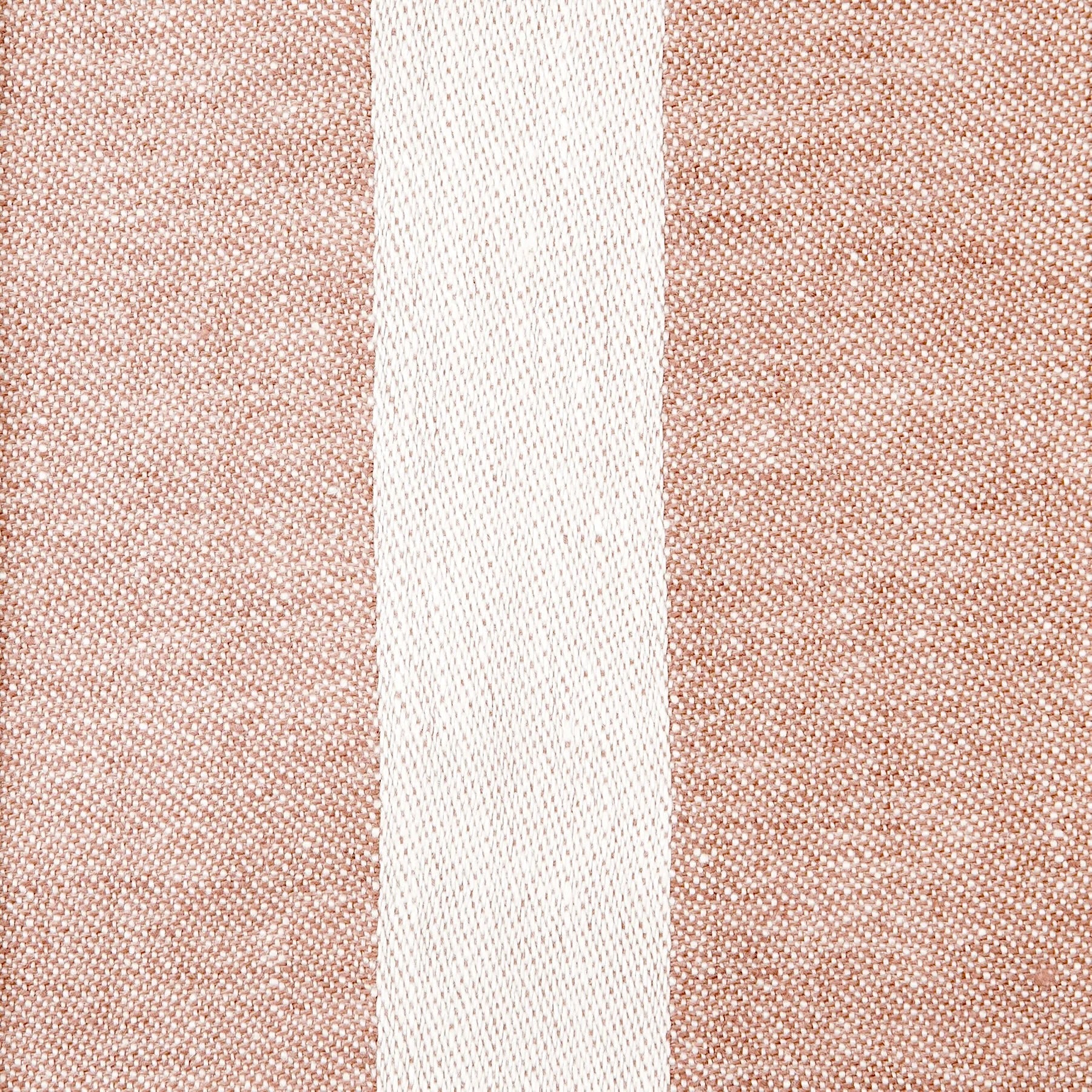
Linjal – linen tea towel 45 × 60 cm in several colours
UK VAT included. Shipping, and any duties are calculated and paid at checkout (DDP) — nothing to pay on delivery.
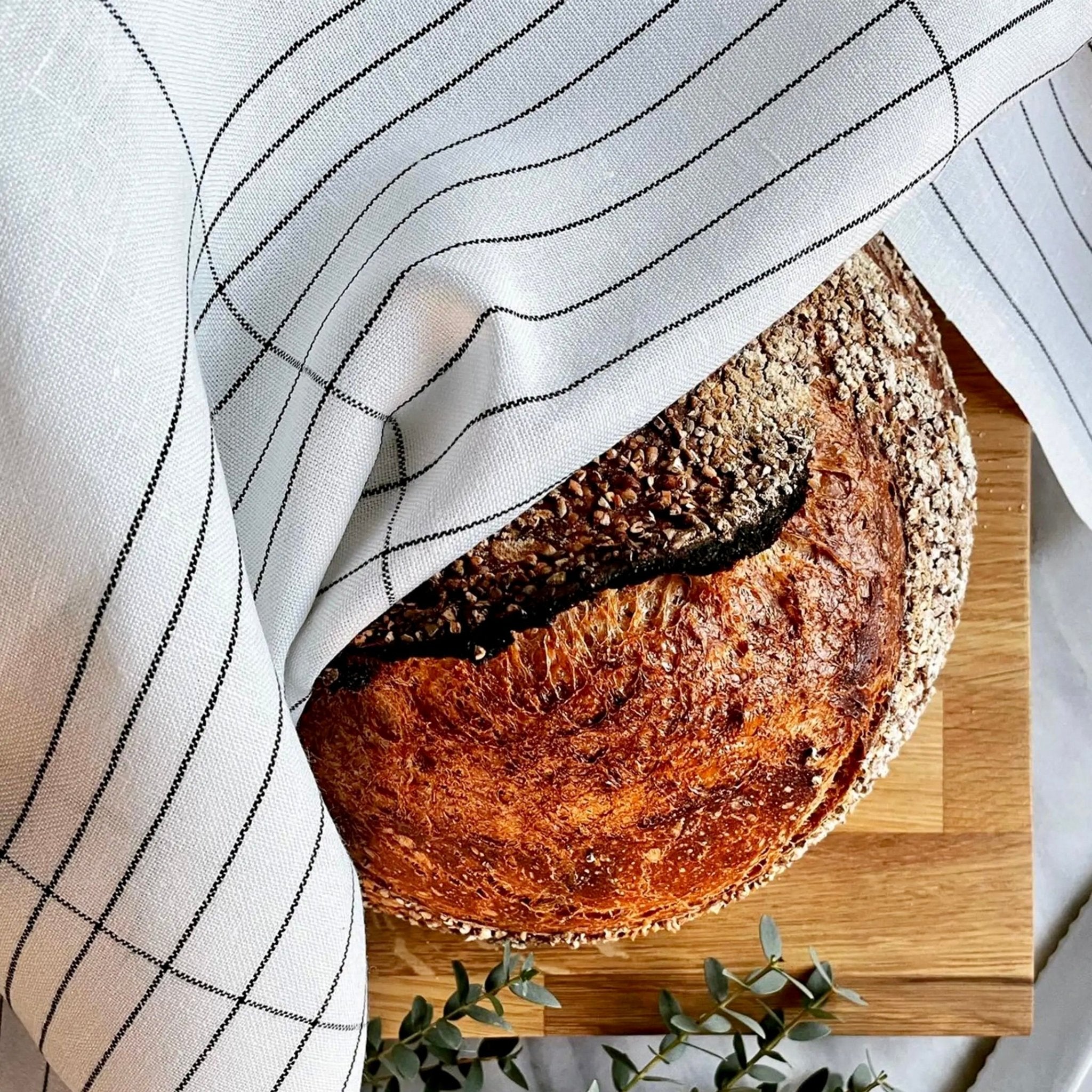
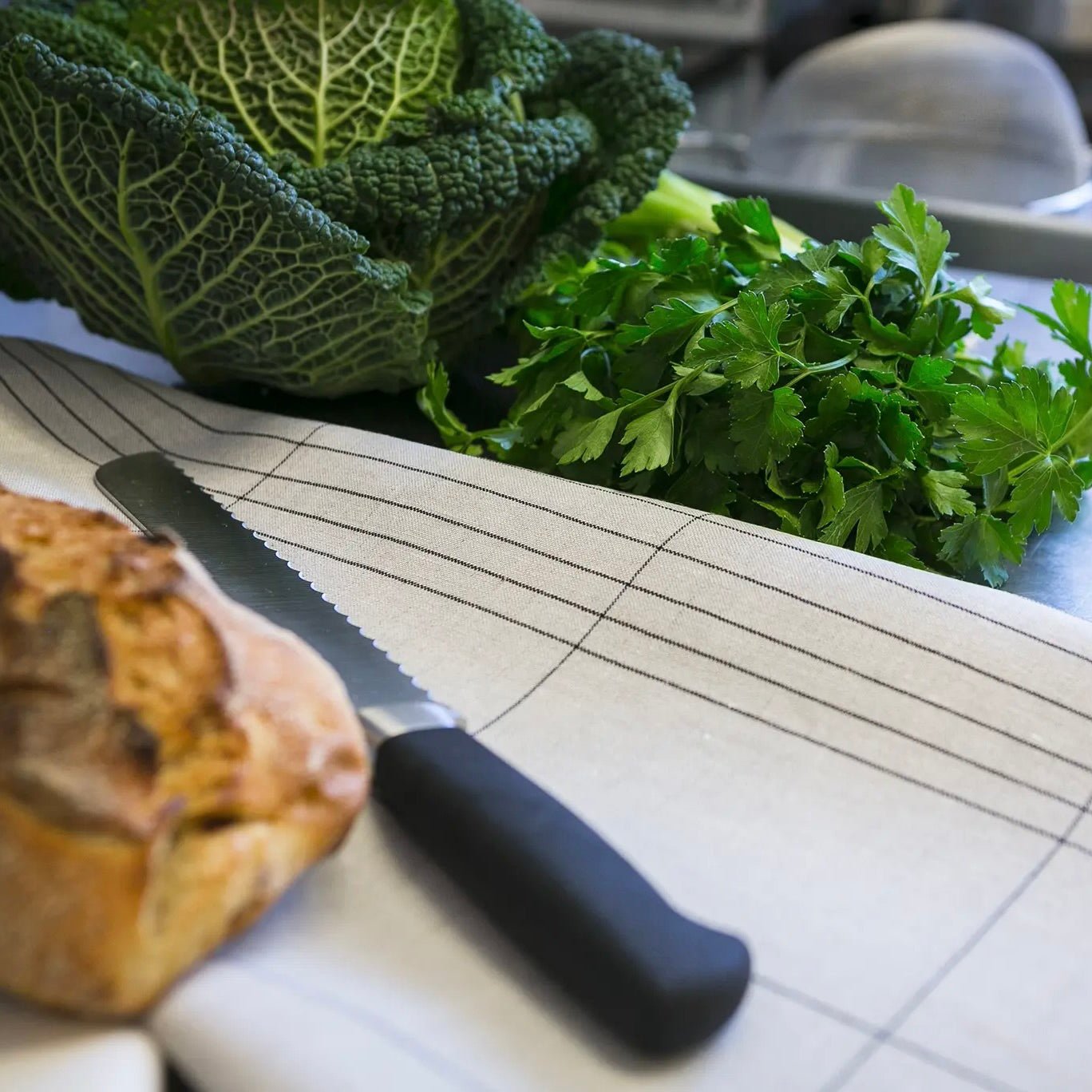
'LINJAL' is a tea towel inspired by precision and linearity.
These towels really ought to be used a lot, and can be used without ironing or smoothing. Just take them out of the washing machine and let them dry.
'LINJAL' are, like all other products from Klässbols, woven from the finest linen, so with the right care you will be able to enjoy it for many, many years.
Textiles are distinguished by their high quality, durability and environmental friendliness - and they only get more beautiful over the years.
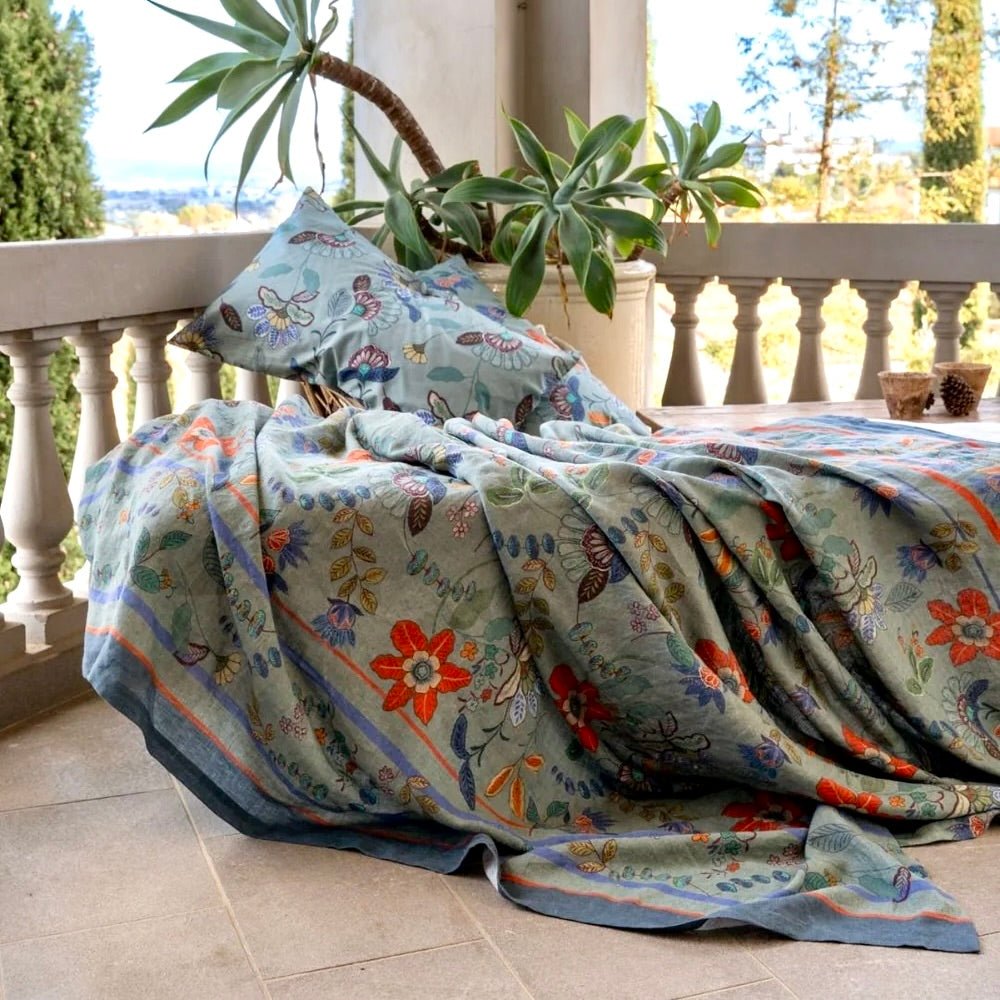
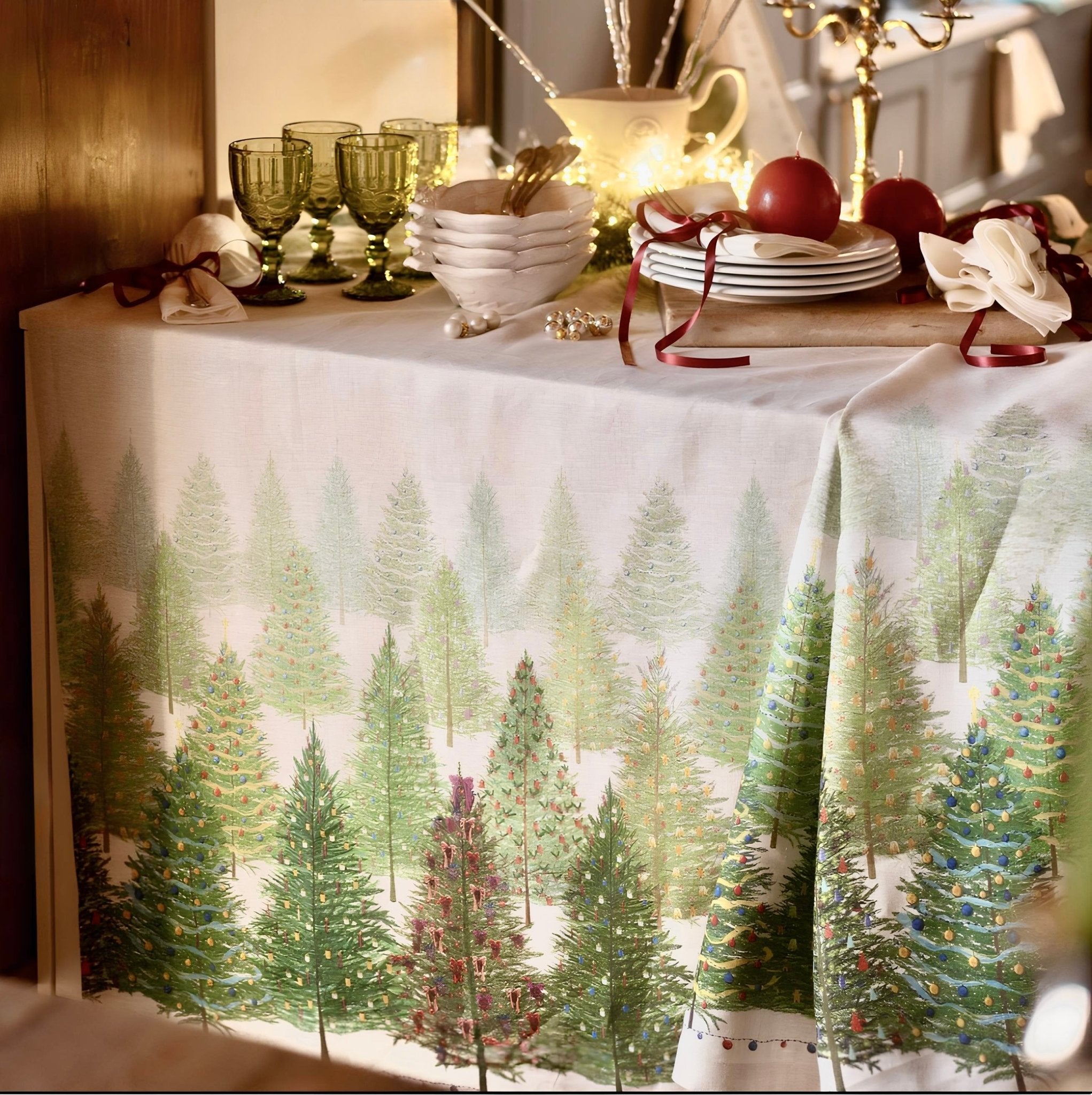
Rune-Jakobsen Design sells the home textiles from Tessitura Toscana Telerie, which since 1947 has manufactured tablecloths, cushions, blankets and bedding, etc. in sustainable and exclusive quality from their base in Florence.
Tessitura offers a universe of exclusive home textiles that takes you on a journey of experience, colors, quality and Italian aesthetics at its most beautiful - and most humorous.
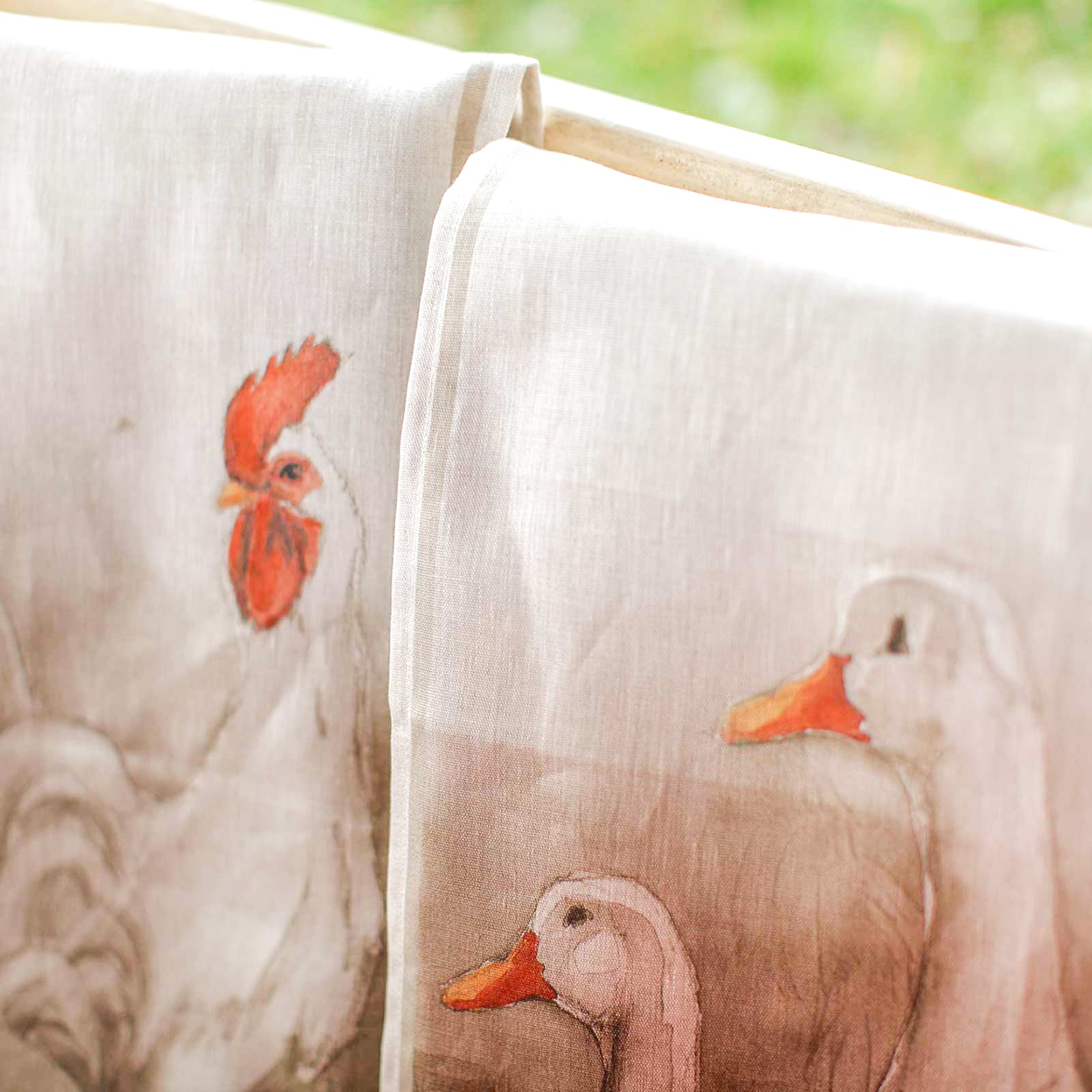
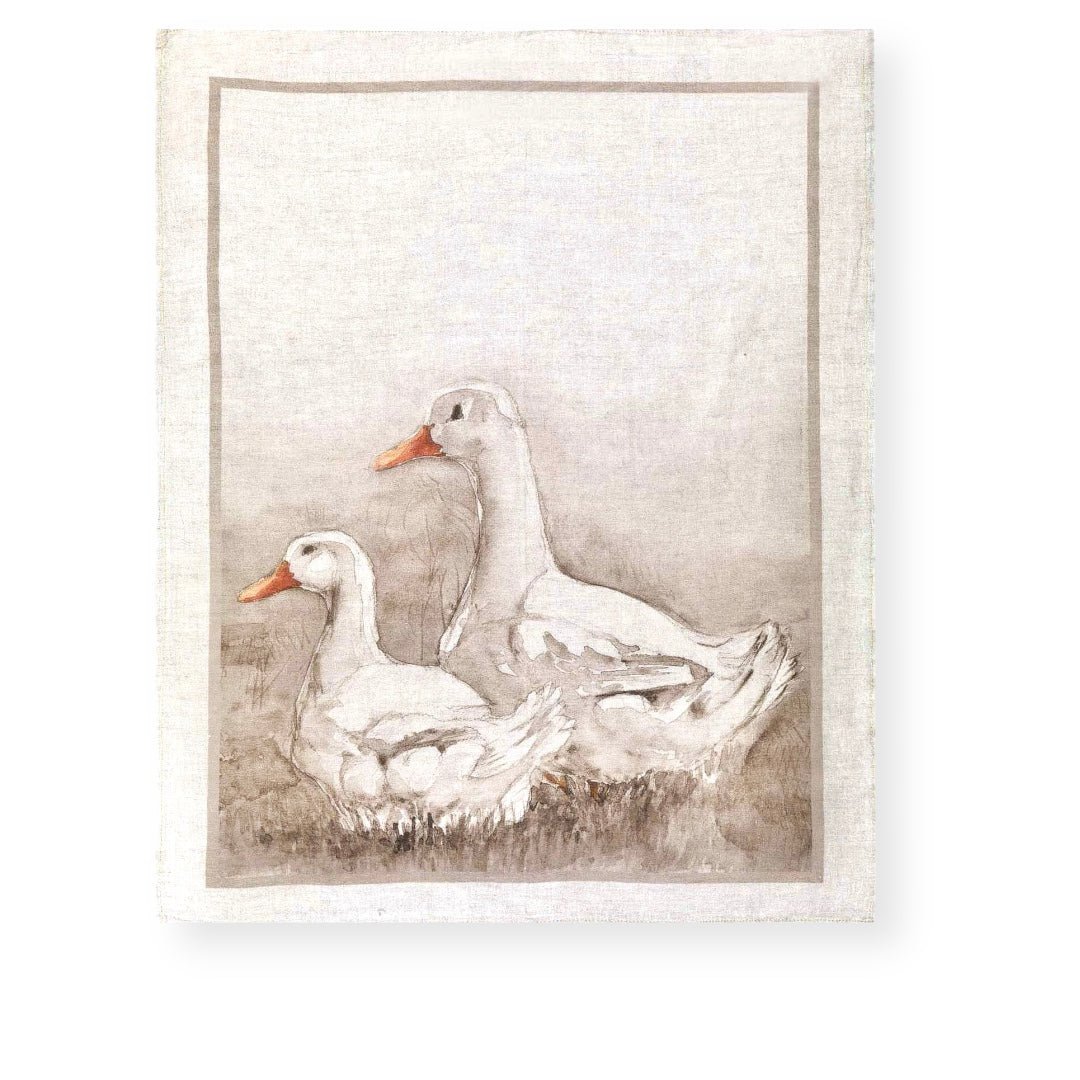
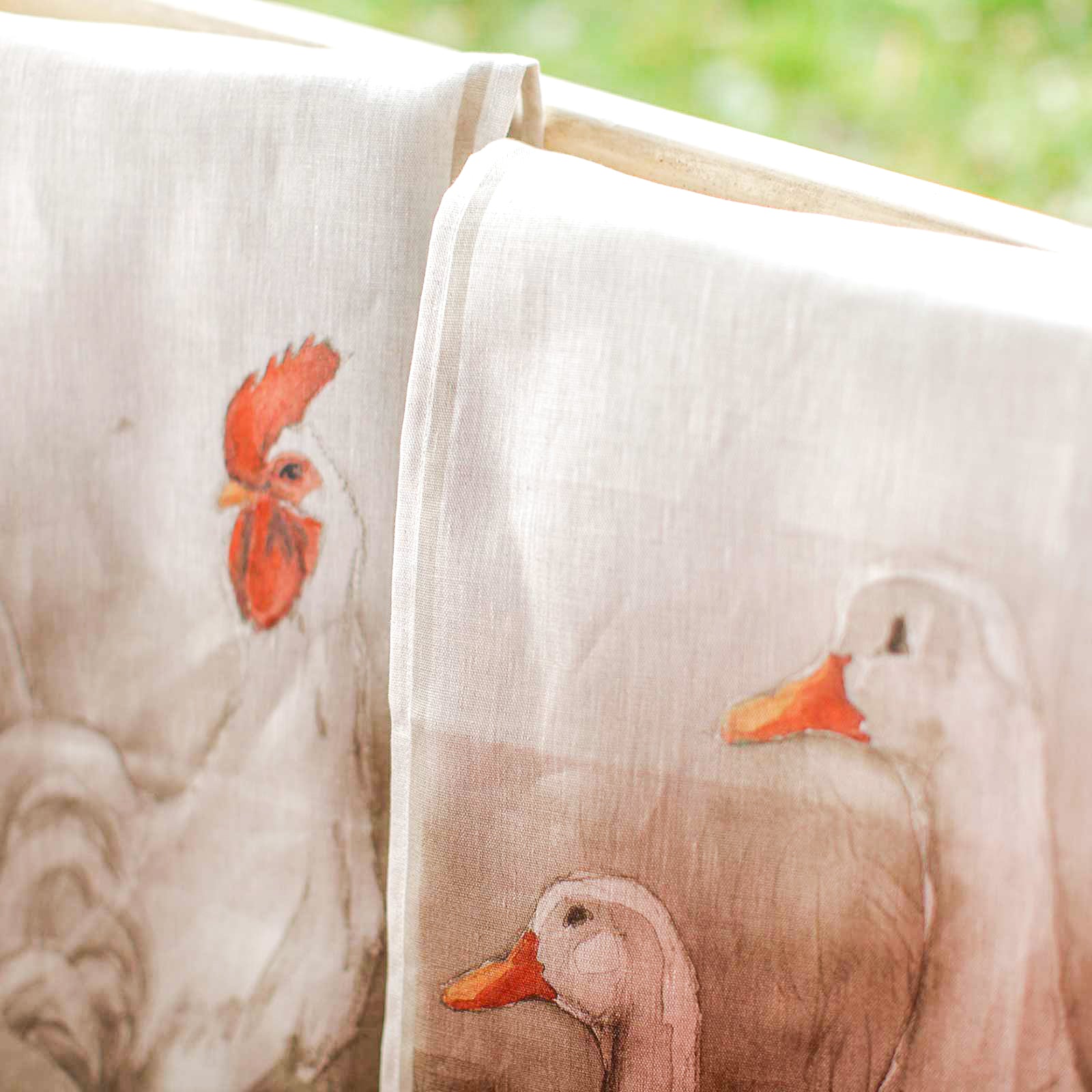
Tessitura collaborates with 15 different Italian designers and artists who first paint the beautiful motifs in watercolors and then transfer them to prints on either linen or cotton.

The textiles are manufactured in Northern Italy and both linen, hemp and cotton textiles are of course Oeko-Tex certified.
- from Tessitura are light, elegant and versatile. Linen is the most resistant textile fiber in nature. It is durable and does not lose its shape. It is heat-regulating and has excellent moisture absorption properties.
The linen textiles from Tessitura are sustainably produced. Only flax plants are used that are grown without the use of irrigation or fertilizers. At the same time, only European-grown flax is used, which is considered the best in the world due to the climate, the producers' know-how and expertise throughout the production chain.
This means that there is control over the origin of the flax textiles and the cultivation processes that respect the soil and the ecosystem without fertilizer and artificial irrigation.
COTTON TEXTILES
White, light and soft cotton is the most widely used textile fiber in the world. Tessitura has always selected only the finest qualities of natural cotton grown in the best production areas in Egypt and the USA.
The most important characteristics of the cotton Tessitura uses are its long and extremely thin fibers and its very high resistance. Residues from production are biodegradable and do not harm the environment.
Tessitura produces certified energy through solar panels over an area of 1500 m2. The annual energy production is approximately 55,000 kWh, which covers approximately 50% of the annual energy demand. On sunny days, our plant produces 47 kWh, and unused energy is returned to the grid as renewable energy.
The packaging of Tessitura's products is made from cloth bags that are plastic-free (PVC, PET, PE, PP) whenever possible. For transparent packaging, they use EVA-certified CSI recycled plastic.
Inspiration: Tessitura Toscana Telerie — Italian textile art from Florence since 1947 · Why does linen become softer over time? · How to make linen cloths absorb better
Relevant products and collections
All measurements in our webshop are given in centimeters (cm). If you use inches, here is a quick overview:
cm → inches: multiply by 0.39
inches → cm: multiply by 2.54
Examples:
| cm | inches |
|---|---|
| 20cm | 7.9″ |
| 40cm | 15.7″ |
| 60cm | 23.6″ |
| 80cm | 31.5″ |
| inches | cm |
|---|---|
| 10″ | 25.4cm |
| 20″ | 50.8cm |
| 30″ | 76.2cm |
If you need an exact conversion, a quick Google search — e.g. "20 cm in inches" — is the easiest solution.
Care instructions – Linen
Flax is one of the world's oldest textiles and has been used for thousands of years. It is a 100% natural fiber, made from the flax plant, which is grown with low resource consumption and processed into one of the most durable textiles available.
Linen fibers are naturally stronger and sturdier than cotton, making the fabric exceptionally durable. At the same time, linen only gets more beautiful with time – the more it is used and washed, the softer and more comfortable it becomes.
To maintain the quality and enjoy your linen products for many years, we recommend the following:
Before first wash
Soak the product in lukewarm water before the first wash – preferably overnight. Tightly woven products can be soaked for up to 24 hours. This helps the fibers retain their natural strength.
Wash
Wash at max. 40°C on a gentle or coloured programme. Kitchen textiles such as tea towels can be washed at 60°C if necessary.
Use a gentle detergent without bleach or optical brighteners.
Spin for as short a time as possible – linen dries quickly on its own.
Drying
Gently smooth and stretch the fabric while it is still damp.
Air dry outdoors in a light breeze, but avoid direct sunlight.
Avoid tumble drying.
Ironing
Linen can be ironed or rolled while it is still slightly damp.
If you want the characteristic, relaxed look, ironing is not necessary – the natural folds are part of the charm of linen.
Shrink
Expect a natural shrinkage of approx. 5–7%.
Good advice
Tablecloths and runners
Roll the slightly damp cloth or rag tightly around a smooth plastic tube and let it dry completely. This will give a nice, smooth result.
Tea towels
Soak tea towels in cold water for about 24 hours before washing for the first time. This improves their natural absorbency.
Stains
Dried red wine stains: Dab a little glycerin on the stain, place the product in a plastic bag overnight, then wash.
Other stains: Treat with a mild, colorless dishwashing detergent, leave overnight in a plastic bag, then wash as normal.
A material that lasts for many years
Linen does not need to be washed as often as many other textiles. Often, it is enough to hang the product to air between uses. With the right care, your linen products will develop a beautiful patina, become softer over time and maintain their quality for many years.
Inspiration: Why does linen become softer over time? · How to make linen cloths absorb better · Linen vs. cotton – what is best for kitchen textiles?
Relevant products and collections
Real products, honest pictures
With us, craftsmanship, materials and aesthetics are at the heart of everything we do. Our product images are designed to give you an honest and inspiring impression of what you're getting – without unnecessary staging.
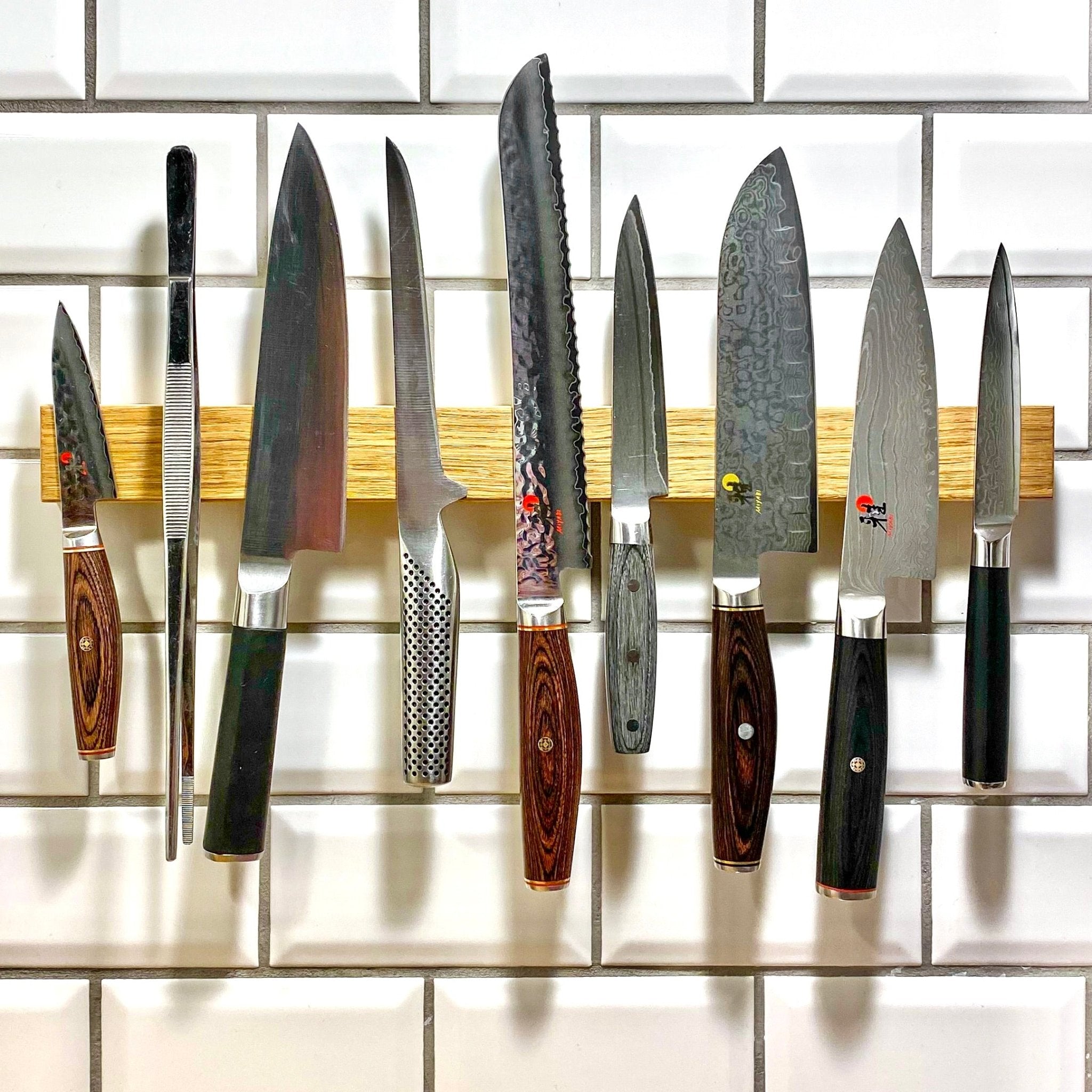
The vast majority of product photos in our webshop are therefore taken by us – whether it's a grinder, a magnetic knife holder, a serving board or one of our textiles. The images of our wooden products always show genuine, handmade products that we photograph before they are packed and sent to their new owners.
To give you a better idea of how the products will look in different homes and kitchens, we sometimes insert these original photos into AI-generated rooms or backgrounds. Only the background is artificial – the product itself is never altered or AI-generated. Every grain, edge, color, and detail you see belongs to the physical product we created.
We also occasionally receive photos from satisfied customers who give us permission to use them in the webshop. These photos provide an honest and inspiring insight into how our products look in real homes and environments.
No artificial product renderings. No misleading visual enhancements. Just real craftsmanship, photographed honestly.
Indicative images when choosing a variant
We are constantly expanding our product gallery. As many of our products come in a variety of sizes and variations, we do not yet have images of all of them. The image shown when you select a product primarily illustrates the selected wood type – not necessarily the specific size or design variation.
Every piece of wood is unique
Wood is a living natural material, and our passion is to create unique products with character. The grain patterns and color play will therefore naturally vary from product to product. Please consider our images as guiding inspiration and an indication of the quality we deliver.
If you have any questions, we're happy to help.
Do you have any questions about design, size, wood type or special requests? Do not hesitate to contact us at info@rune-jakobsen.dk so that we can guide you to the right choice before you order.
Our customer service is not a call center or an AI chatbot.
It's Kari or Torben.
When you write to us, you will receive a personal response from us — with in-depth knowledge of the products and a genuine interest in helping you make the right choices.
We have collected the most common questions in our FAQ and on the product pages. If you can't find the answer there, or if you want a product in a special size, you are always welcome to write or call us.
If we cannot respond immediately, you will hear from us within a few hours on all weekdays.
In brief:
- Fixed prices all year round — no sales, no Black Friday, no discount codes. Buy 3 or more tea towels and get 10% off.
- Payment by MasterCard, VISA, PayPal, Apple Pay, Google Pay, Shop Pay, MobilePay and local payment methods. In-stock items are charged on dispatch; Woodworks orders are charged when production starts.
- 30-day right of withdrawal on all products — including made-to-order Woodworks products.
- 2-year right of complaint for manufacturing and material defects under the Danish Sale of Goods Act.
- Seller: Rune-Jakobsen Design ApS, Tiendemarken 14 A, Gudum, 9280 Storvorde, Denmark. CVR 46593359.
In-stock items are dispatched within 1-2 working days. Handmade products are made to order — the current lead time is shown on the product page.
We ship with Postnord/DPD, GLS, DHL or UPS, and you choose the carrier and service level yourself at checkout. Shipping is calculated by weight, dimensions and delivery address — we add no margin to shipping.
Starting price (the final price is calculated at checkout):
- United Kingdom: DDP from 14 GBP.
Read the full shipping policy · Customs, VAT and taxes by country
You have a 30-day right of withdrawal on all products — including made-to-order Woodworks products. Notify us at info@rune-jakobsen.dk within 30 days of receipt; you then have 14 days to return the item unused and undamaged.
You pay the cost of the return shipment yourself, unless it is a complaint. Danish customers can order a return label via Shipmondo. Once we have received the item, we refund the full purchase price.
Return address: Rune-Jakobsen Design ApS, Att.: Kari Rune-Jakobsen, Tiendemarken 14 A, Gudum, 9280 Storvorde, Denmark.
Complaints: Under the Sale of Goods Act you have a 2-year right of complaint for manufacturing and material defects. For a justified complaint we cover the cost of the return shipment.
All orders are shipped from our workshop and warehouse in Denmark.
- United Kingdom: UK VAT is charged at checkout — just like in a British shop. All orders are shipped DDP: any customs duties are paid in advance in the webshop. No fees on delivery, no customs delays.
Choose options
UK VAT included. Shipping, and any duties are calculated and paid at checkout (DDP) — nothing to pay on delivery.